Loading...
Photographer
Marcus DeSieno
Geography of Disappearance: Migrant Deaths on the US/Mexico Border
Photographer
Marcus DeSieno
Geography of Disappearance: Migrant Deaths on the US/Mexico Border
Photographer
Marcus DeSieno
Geography of Disappearance: Migrant Deaths on the US/Mexico Border
Photographer
Marcus DeSieno
Geography of Disappearance: Migrant Deaths on the US/Mexico Border
Photographer
Marcus DeSieno
Geography of Disappearance: Migrant Deaths on the US/Mexico Border
Photographer
Marcus DeSieno
Geography of Disappearance: Migrant Deaths on the US/Mexico Border
Photographer
Marcus DeSieno
Geography of Disappearance: Migrant Deaths on the US/Mexico Border
Photographer
Marcus DeSieno
Geography of Disappearance: Migrant Deaths on the US/Mexico Border
Photographer
Marcus DeSieno
Geography of Disappearance: Migrant Deaths on the US/Mexico Border
Photographer
Marcus DeSieno
Geography of Disappearance: Migrant Deaths on the US/Mexico Border
Photographer
Marcus DeSieno
Geography of Disappearance: Migrant Deaths on the US/Mexico Border
Photographer
Marcus DeSieno
Geography of Disappearance: Migrant Deaths on the US/Mexico Border
Gomma Photography Grant 2025 Winners

Gomma Photography Grant 2025

Geography of Disappearance: Migrant Deaths on the US/Mexico Border

Photographer

Marcus DeSieno

Geography of Disappearance: Migrant Deaths on the US/Mexico Border

13 Mar, 2026

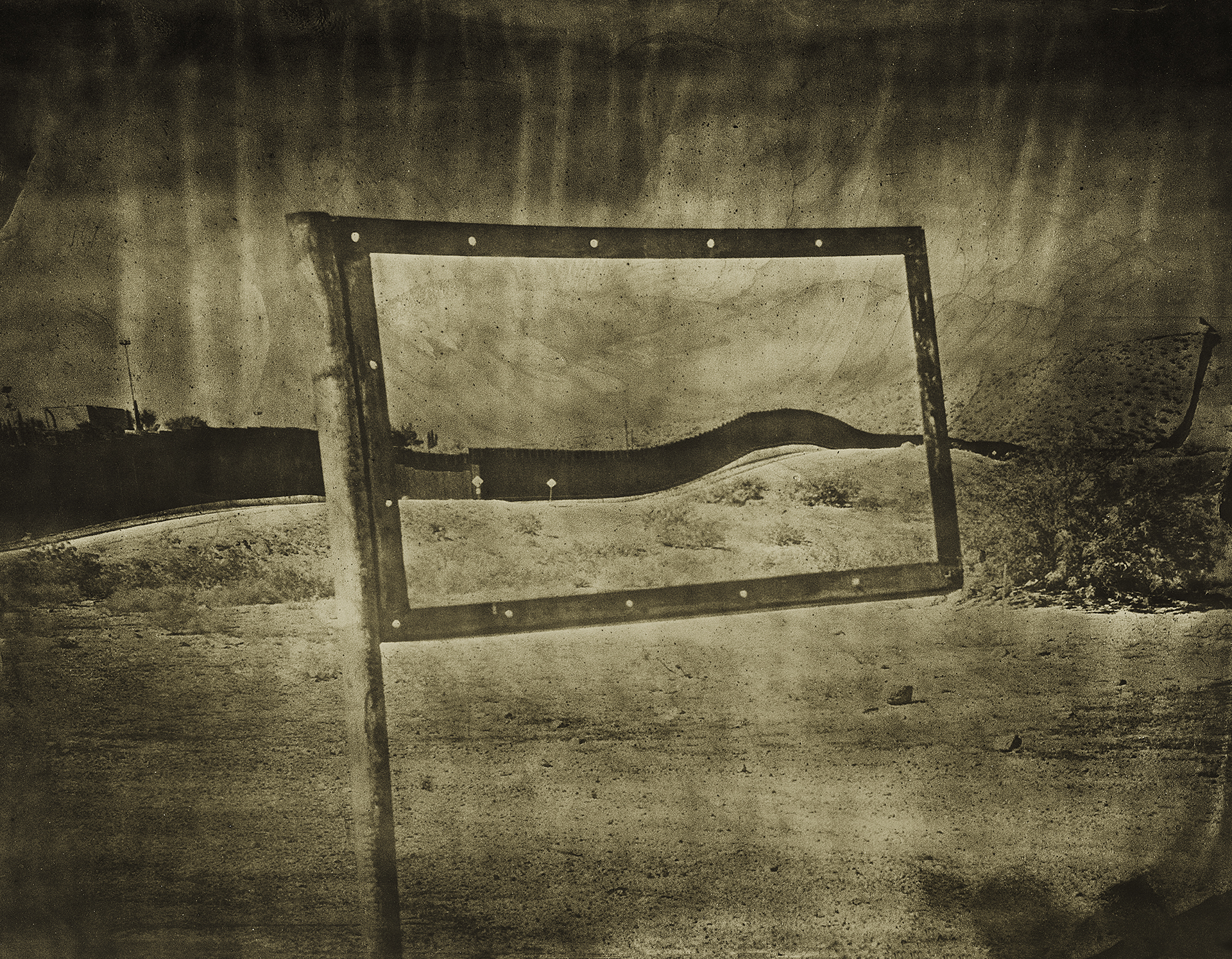
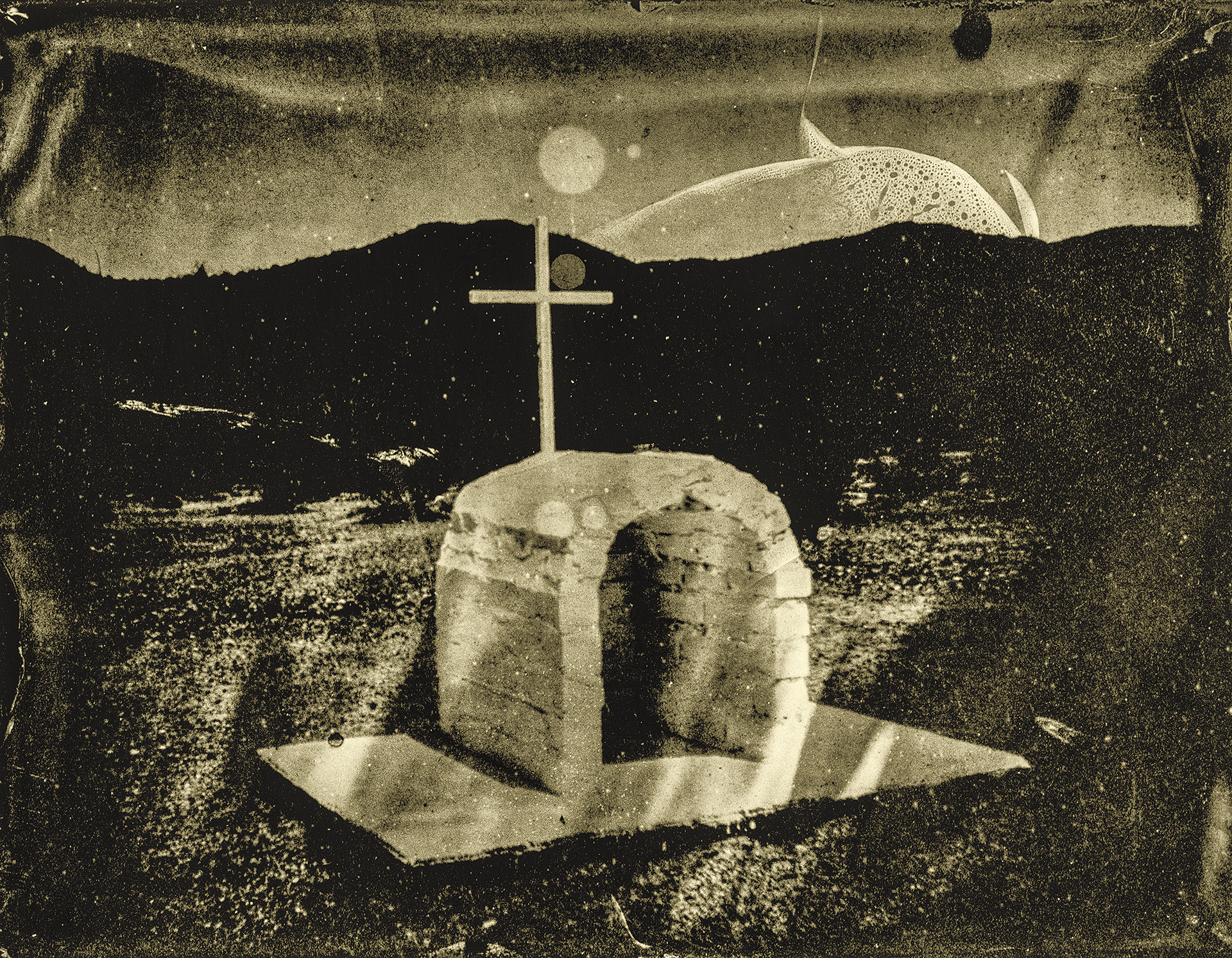
The Gomma Grant 2025 Black & White Prize is awarded to Marcus DeSieno for his powerful project Geography of Disappearance.

The series confronts the humanitarian crisis unfolding along the 1,900-mile border between the United States and Mexico — a region the United Nations has described as the deadliest land crossing in the world. Thousands of migrants have died attempting the journey through deserts and mountains, many of them never recovered.

Using autopsy reports, humanitarian records, and police data, DeSieno locates the exact sites where migrants’ bodies have been found. He photographs these landscapes not as neutral terrain, but as places marked by absence and violence.

Employing the historic wet-plate collodion process and experimental darkroom printing, the artist produces images filled with haze, distortion, and fragile textures. These visual disruptions mirror the erasure and invisibility surrounding these deaths.

As DeSieno writes, «these photographs serve both as remembrance and as a confrontation with the political systems that allow such tragedies to continue.»

Through its haunting black-and-white imagery, Geography of Disappearance transforms landscape photography into an act of witnessing — a meditation on loss, memory, and the unseen human cost of borders.
About the photographer

Marcus DeSieno

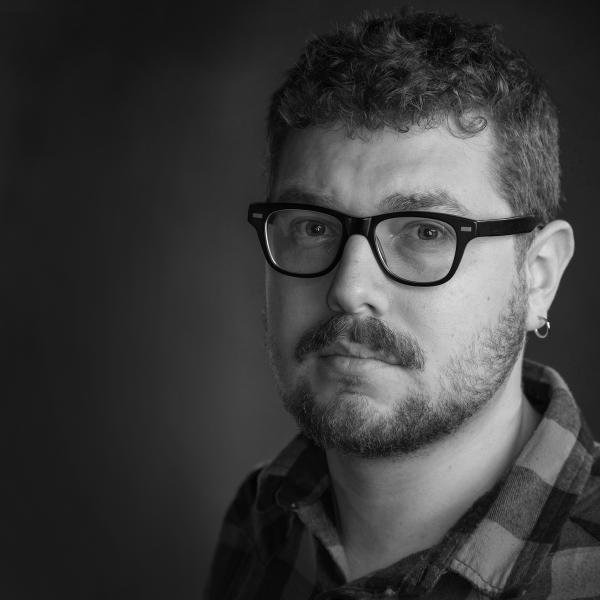
Marcus DeSieno is a visual artist whose work interrogates institutions of power through the language of photography. His practice examines the enduring legacies of American empire and the ways visual technologies are used by the state as tools of surveillance and control.He is Assistant Professor of Photography at the University of South Florida. DeSieno’s work has been exhibited internationally, including at the Aperture Foundation in New York, the Benaki Museum in Athens, and the Finnish Museum of Photography in Helsinki.His photographs have been featured in publications such as The British Journal of Photography, National Geographic, Smithsonian Magazine, The Washington Post, Wired, and The Boston Globe. His first monograph, No Man’s Land: Views from a Surveillance State, was published by Daylight Books.