
Gomma Photography Grant 2024
Zumbi
Photographer
Luca Meola
Zumbi
16 Jan, 2025
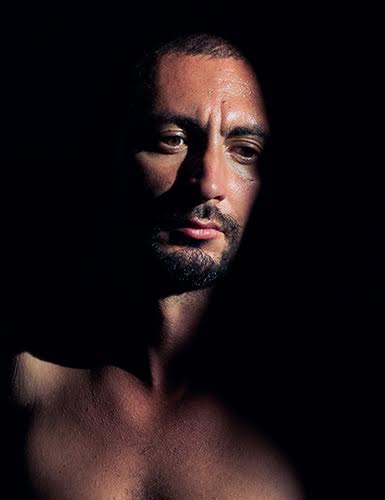
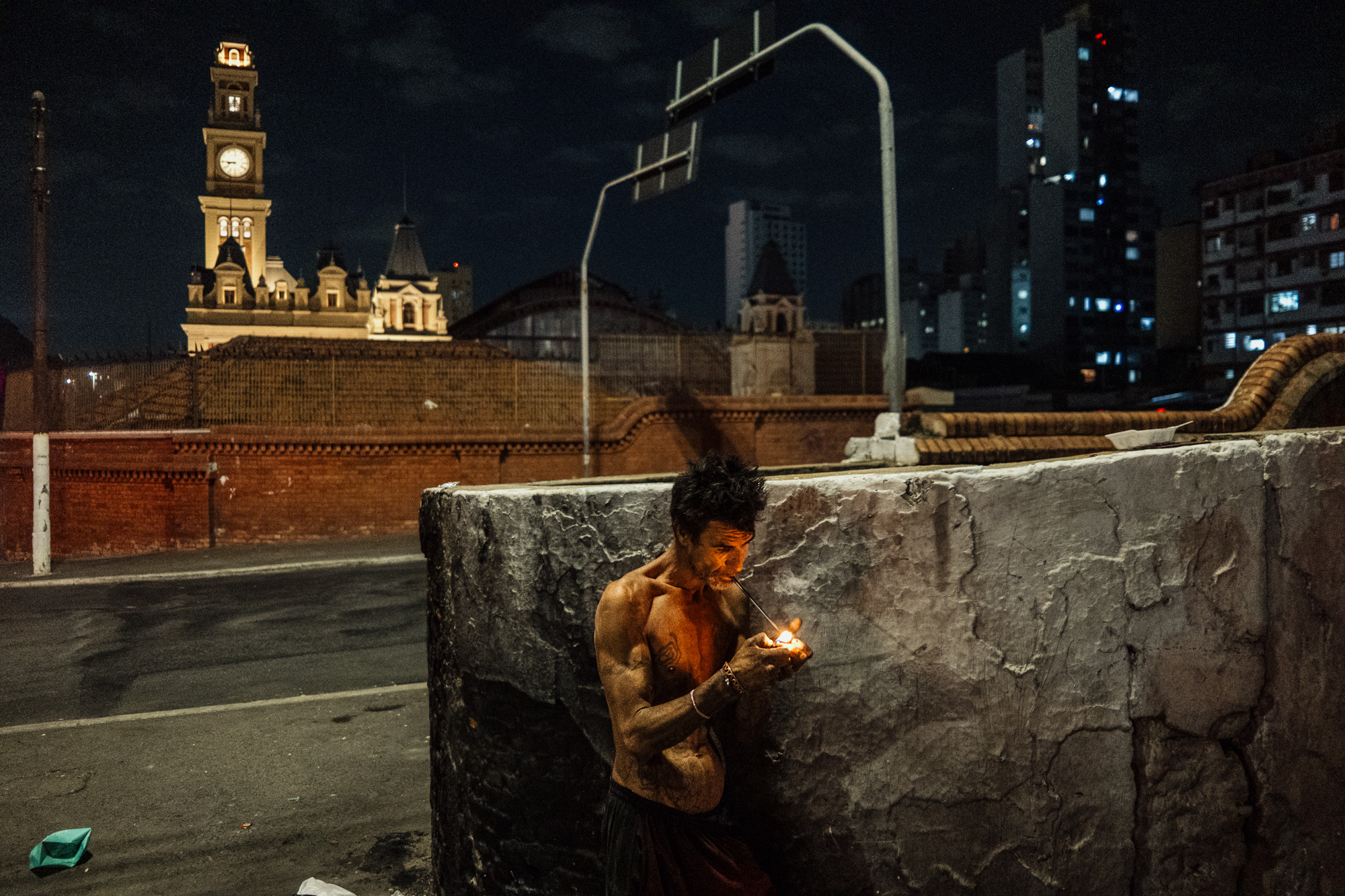
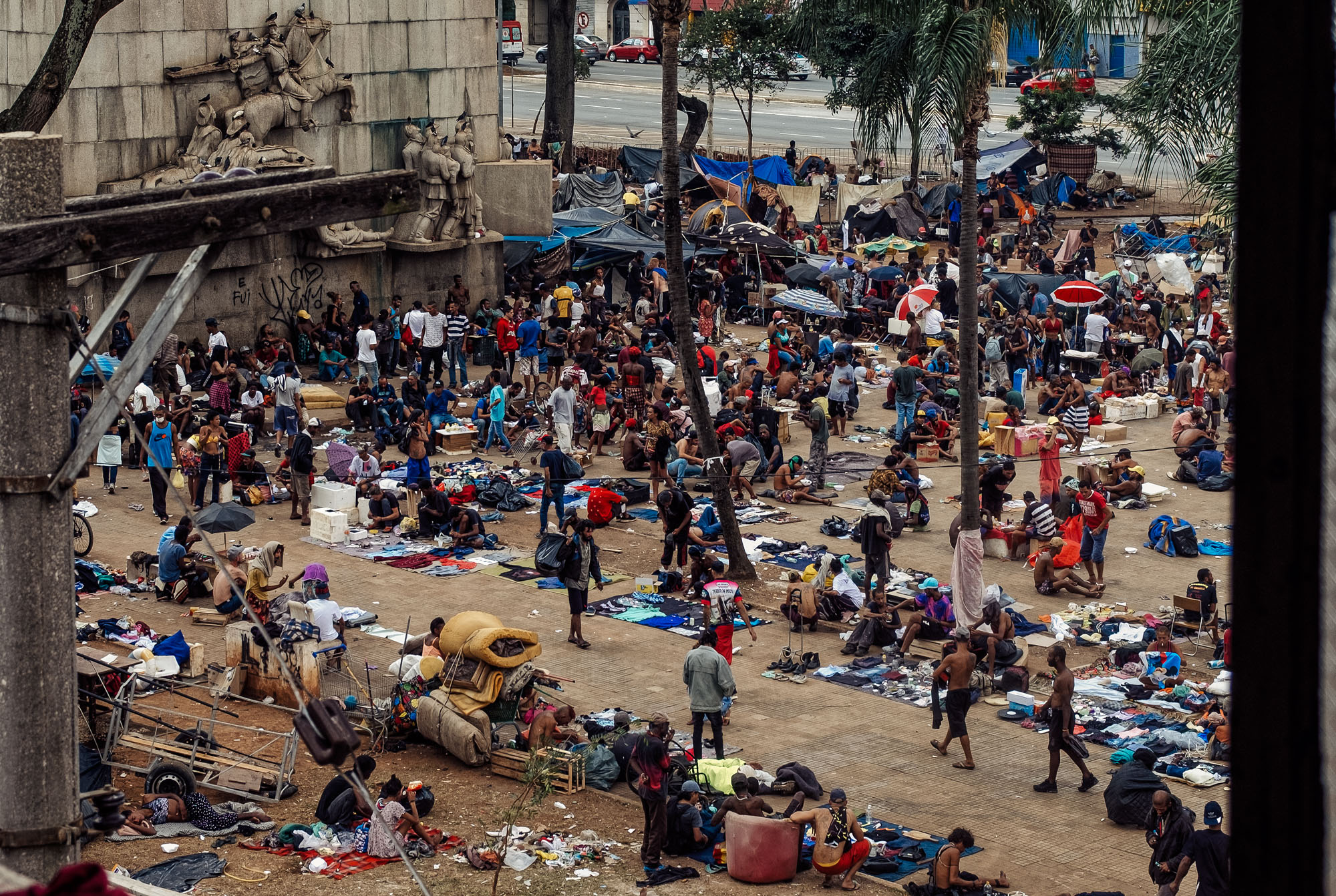
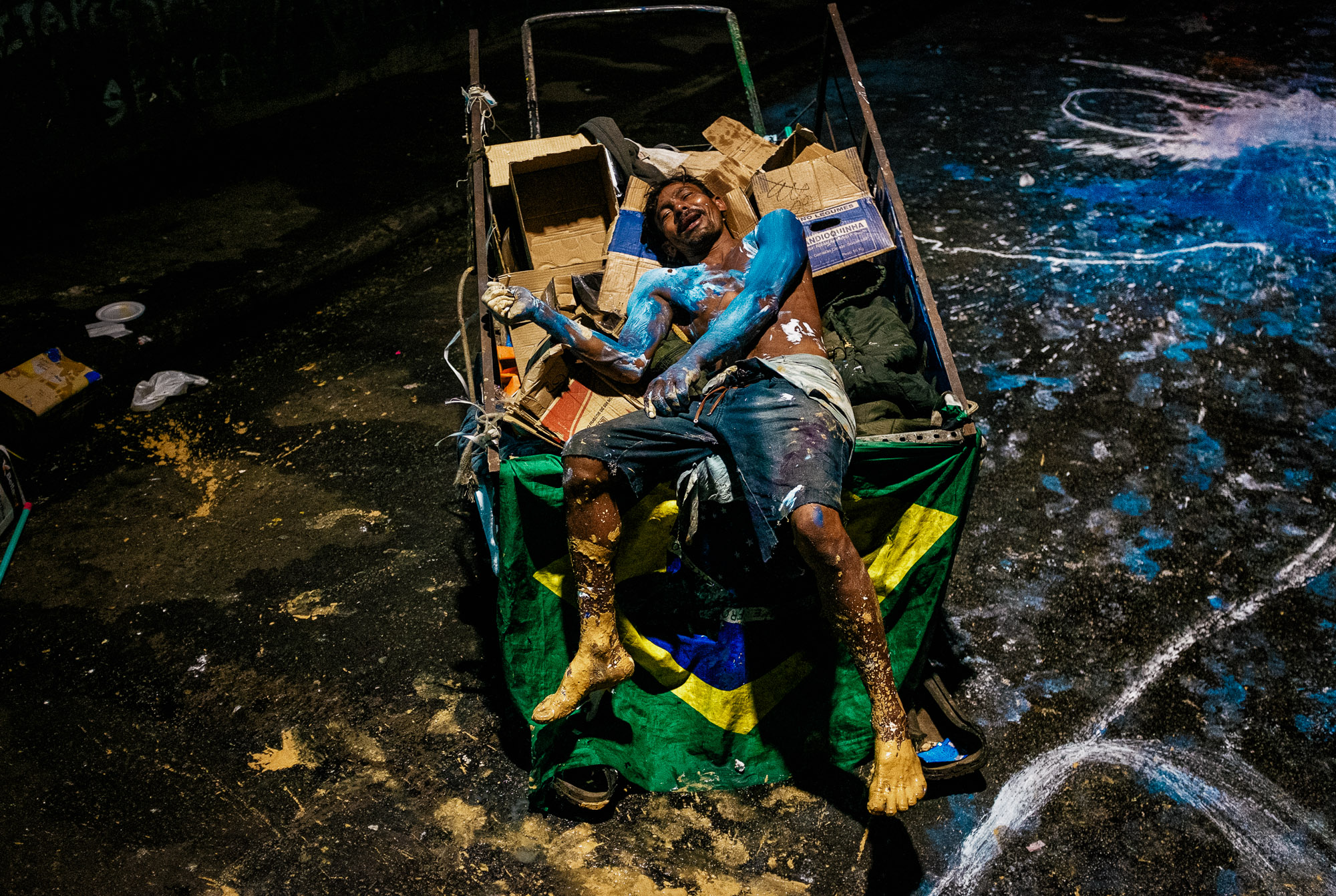
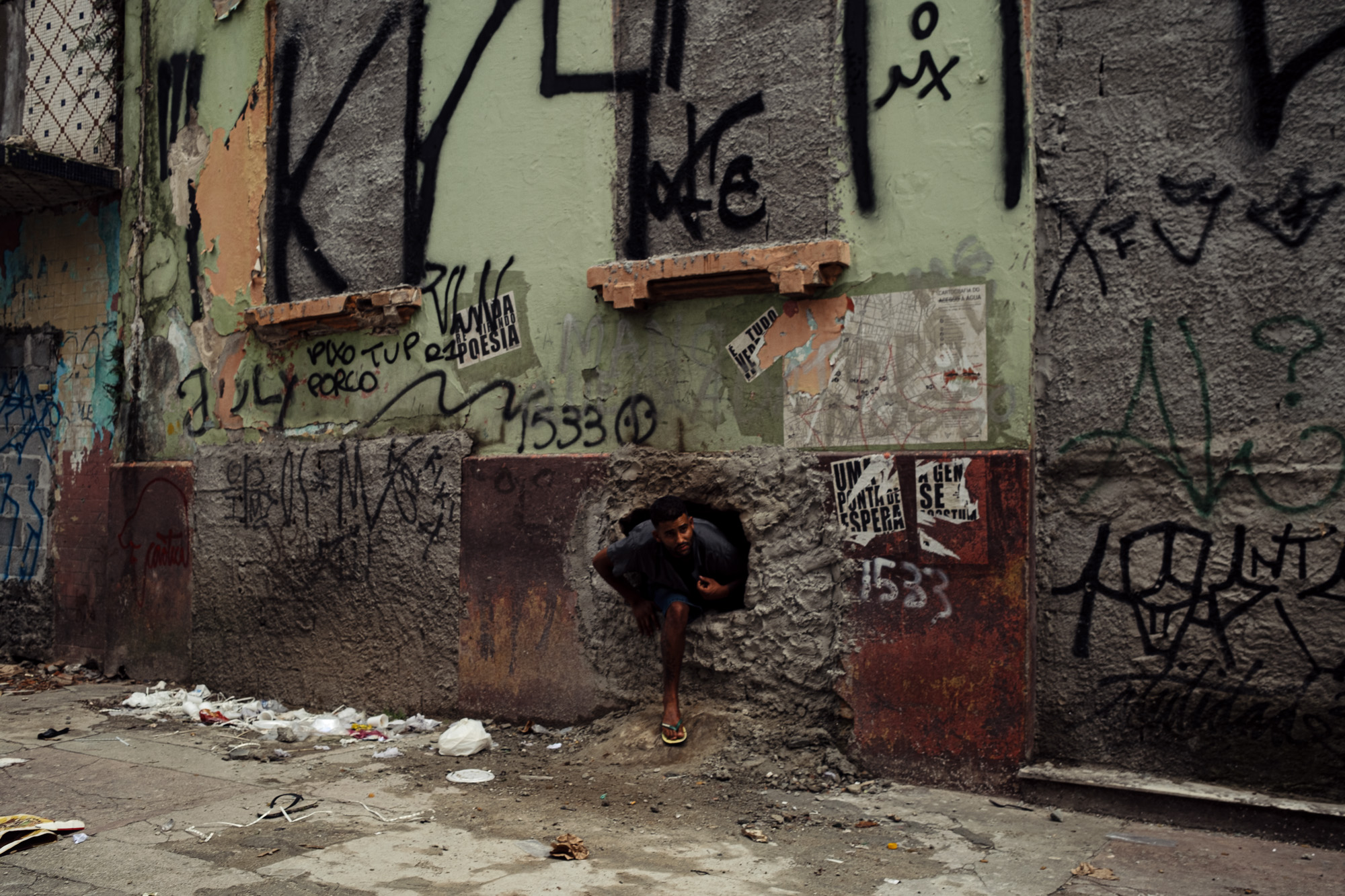
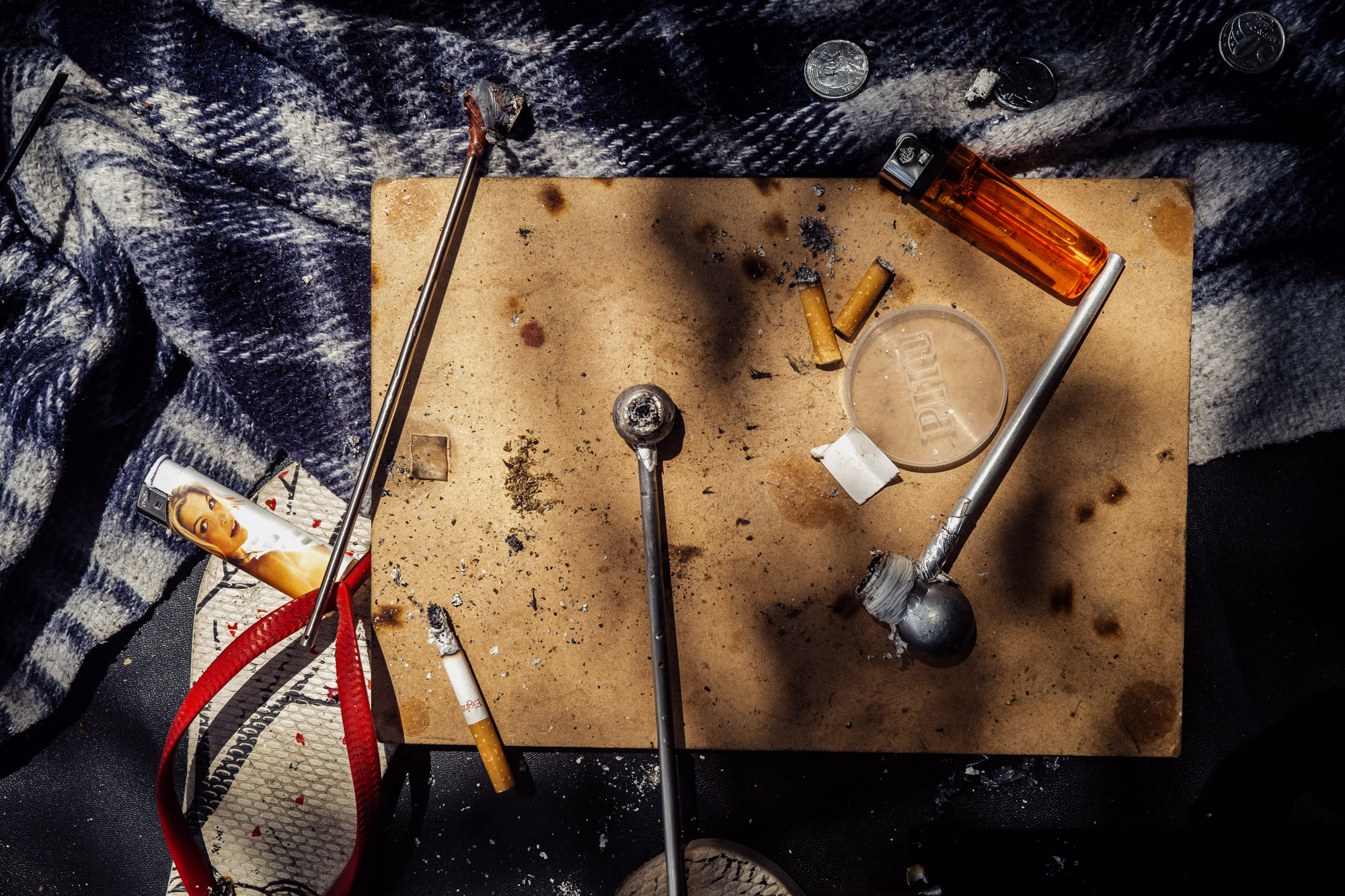
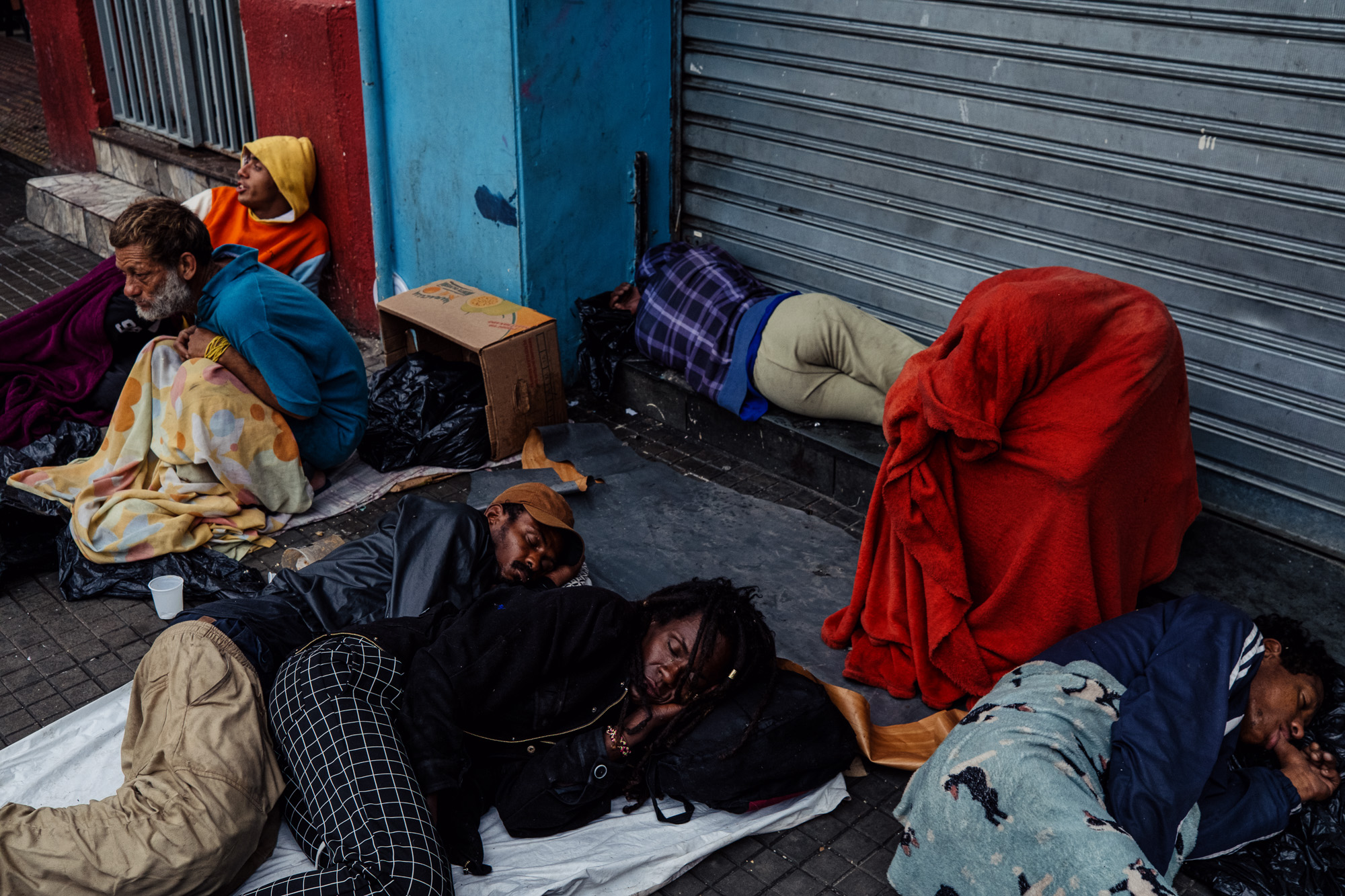
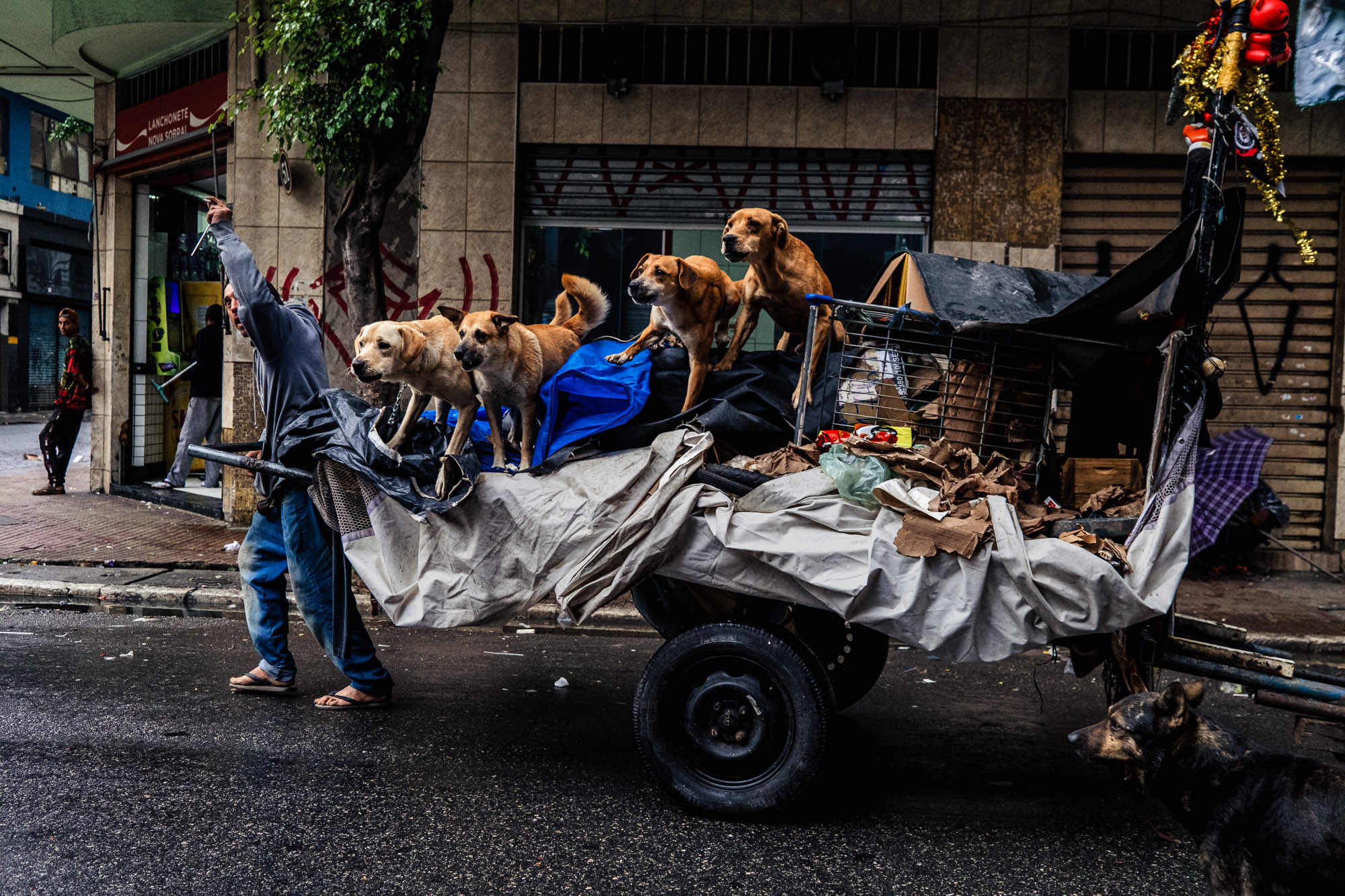
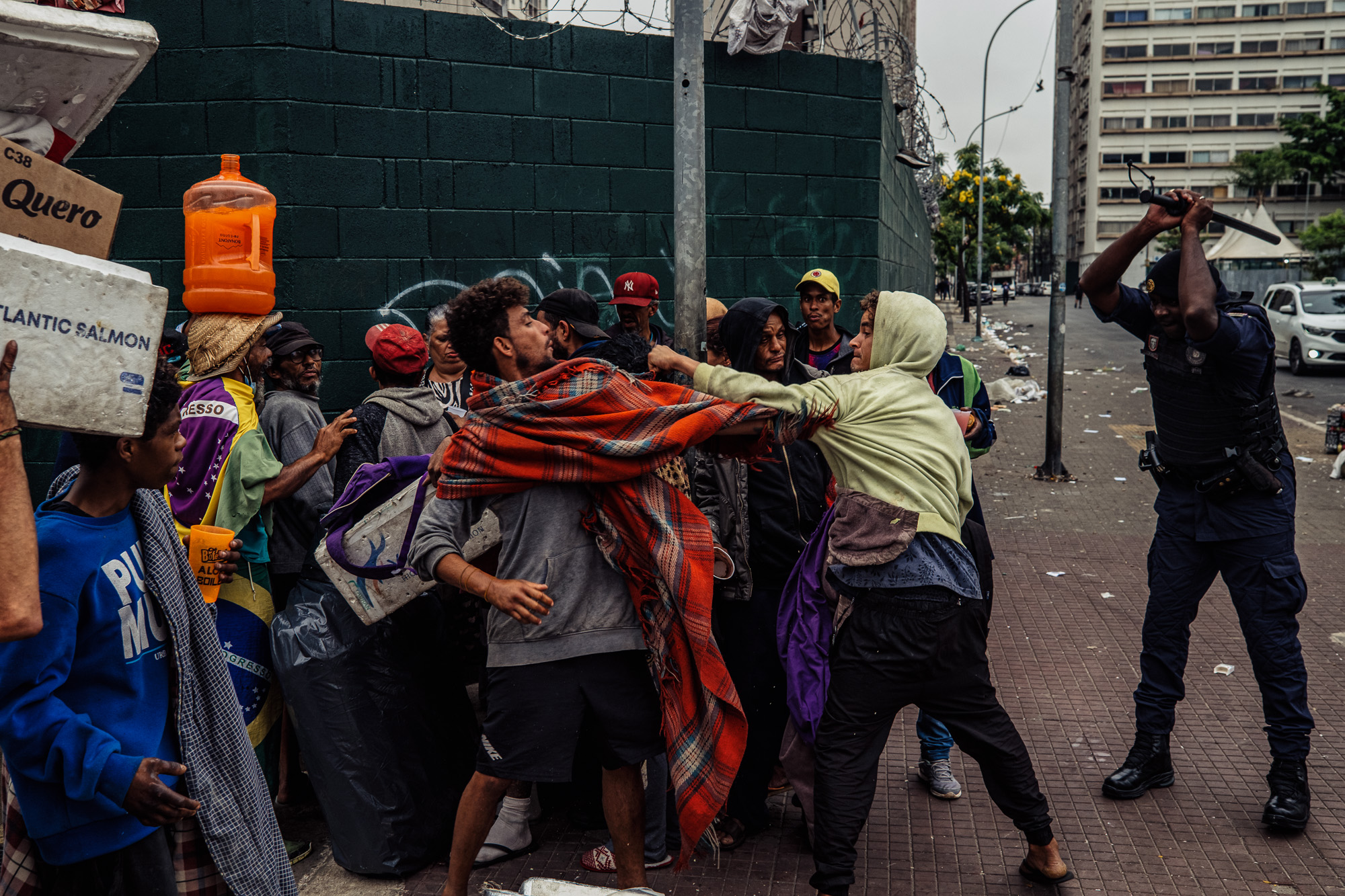
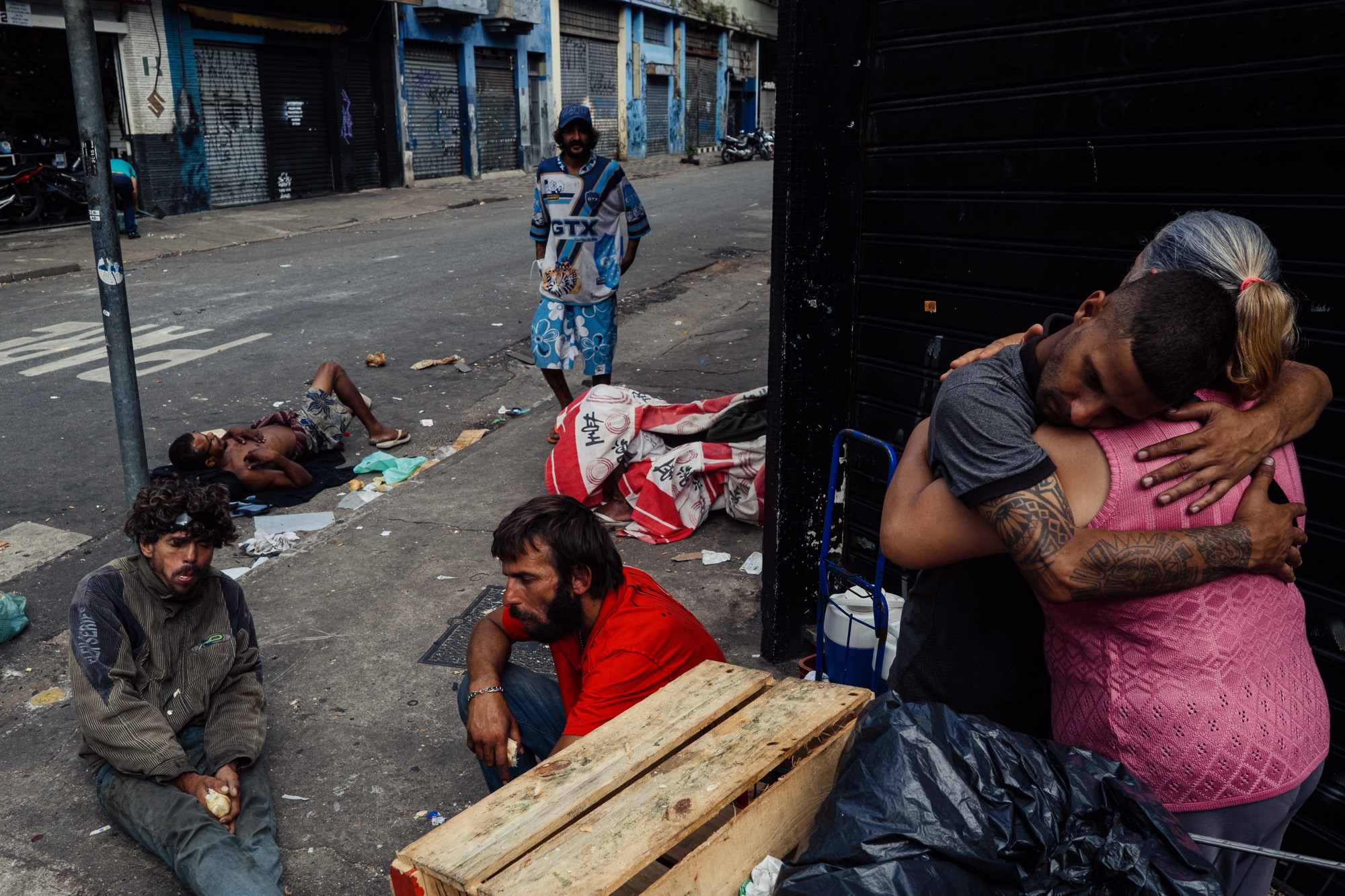
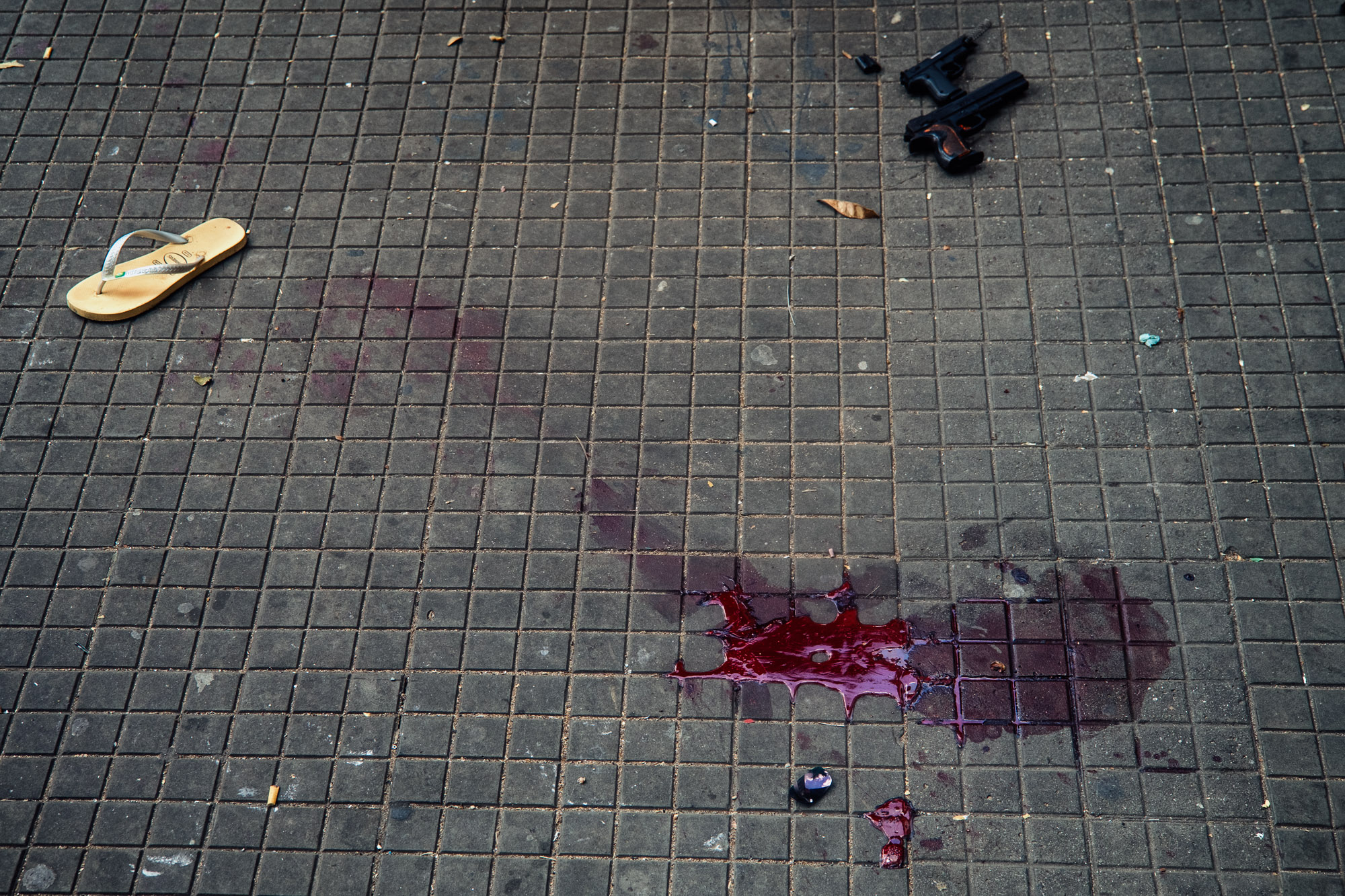
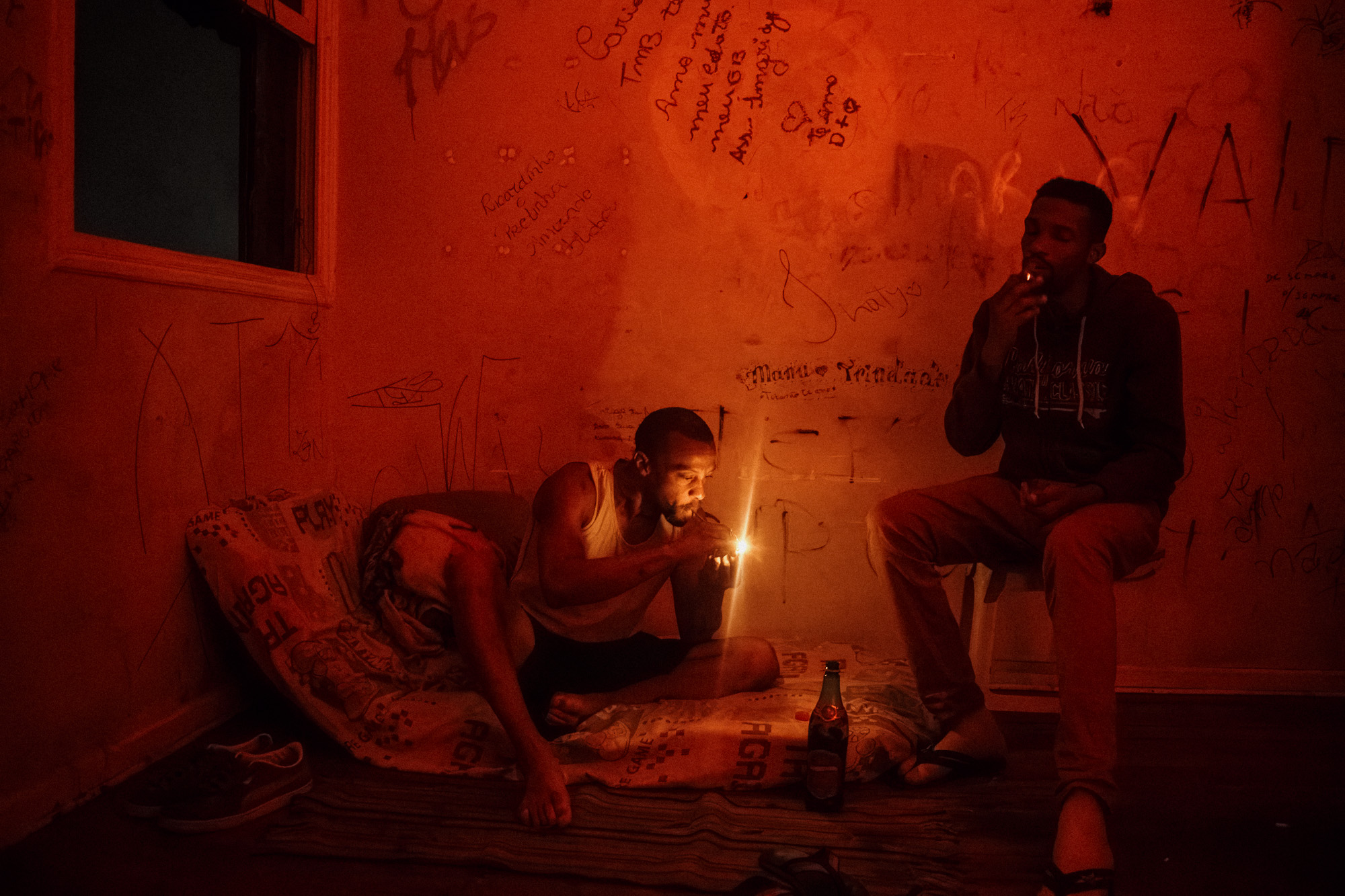
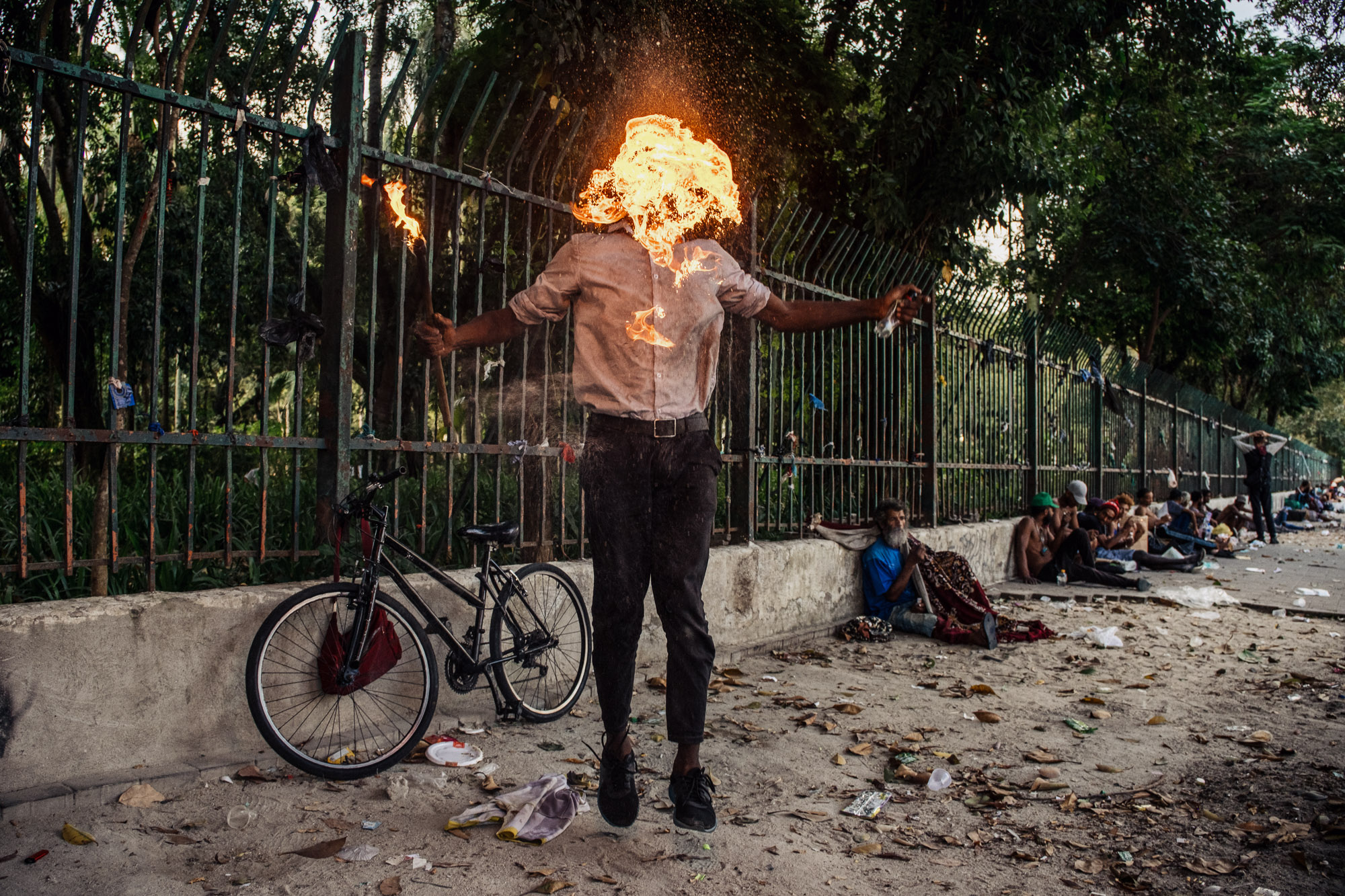
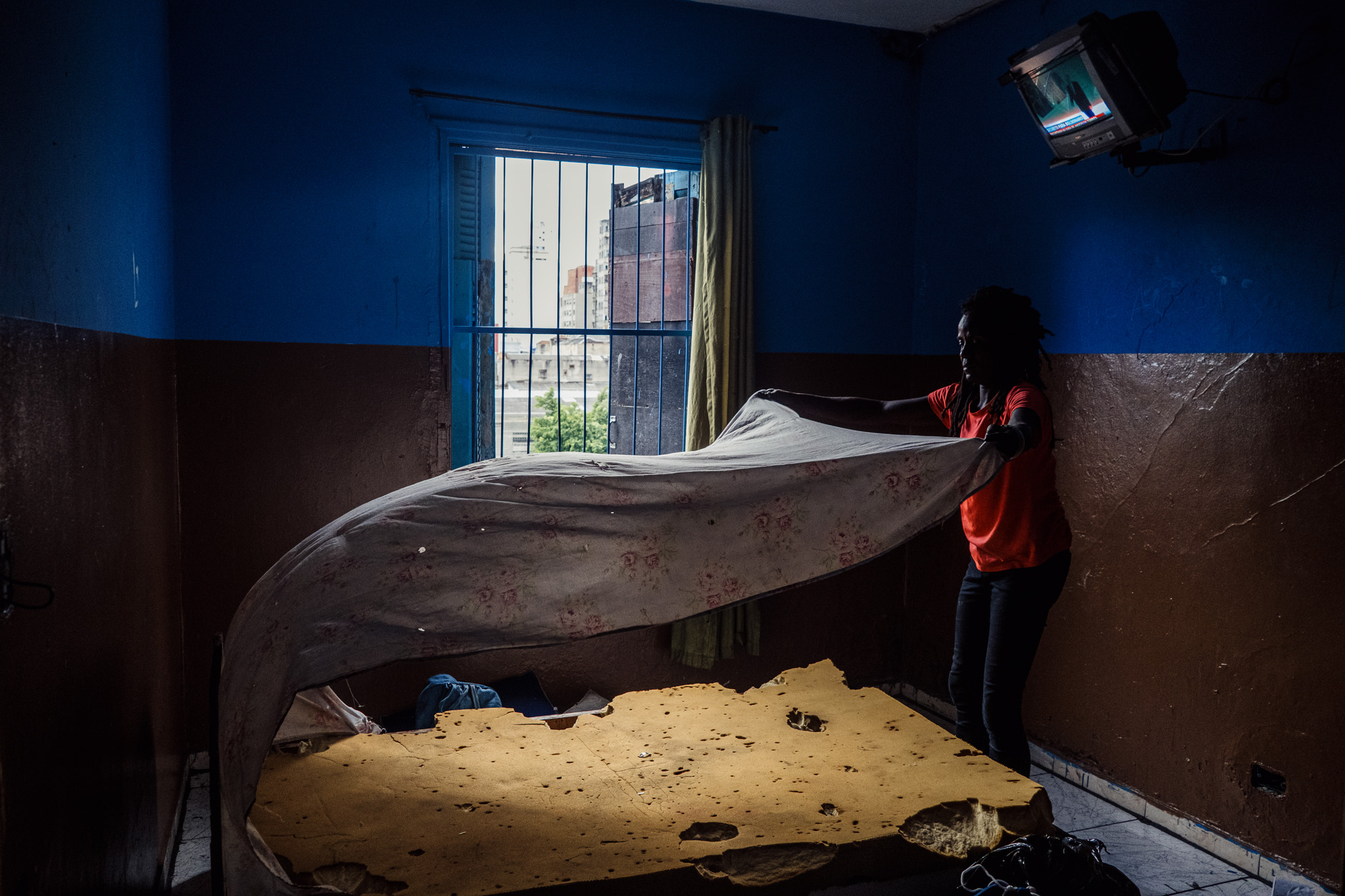
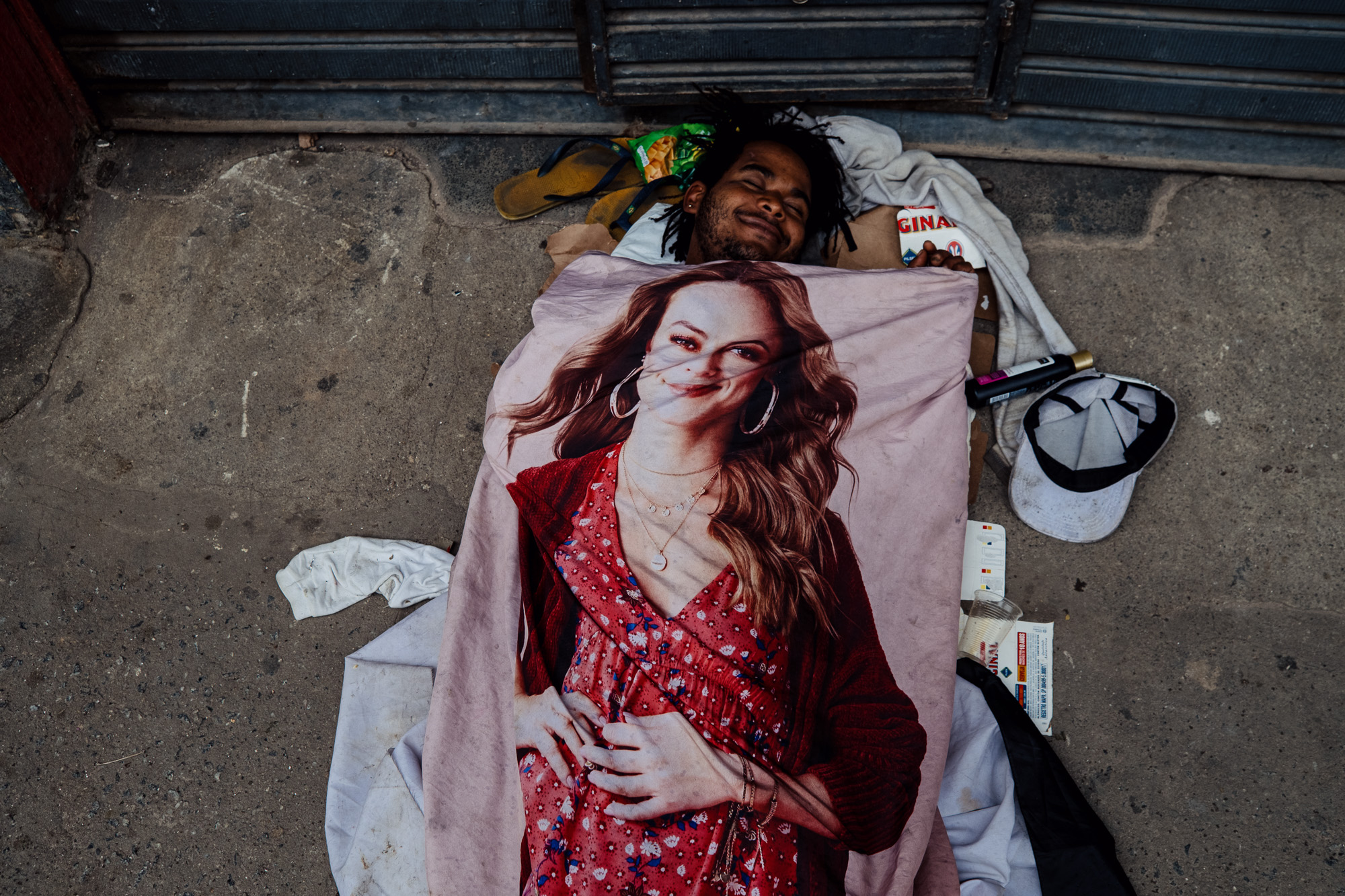
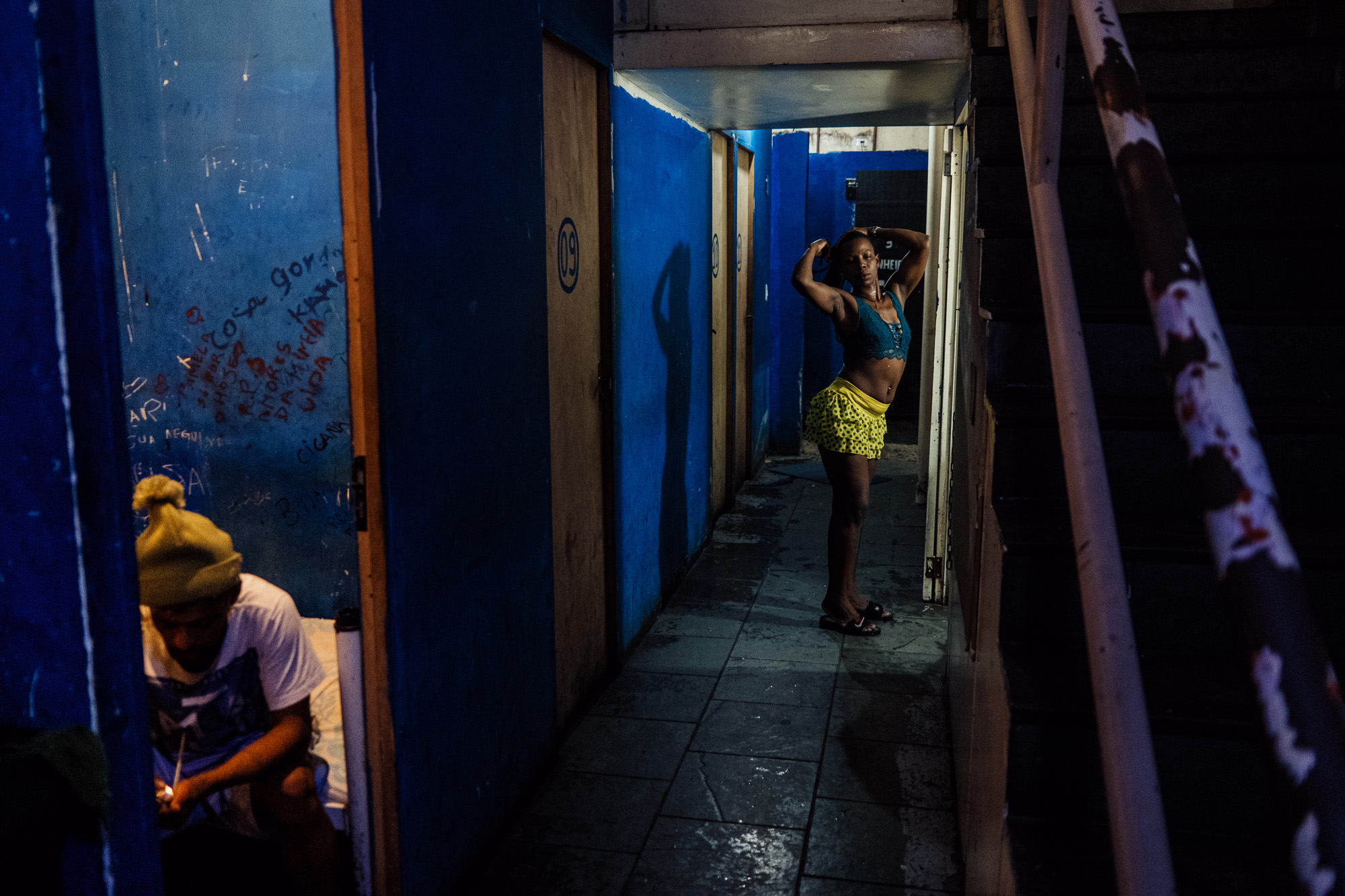
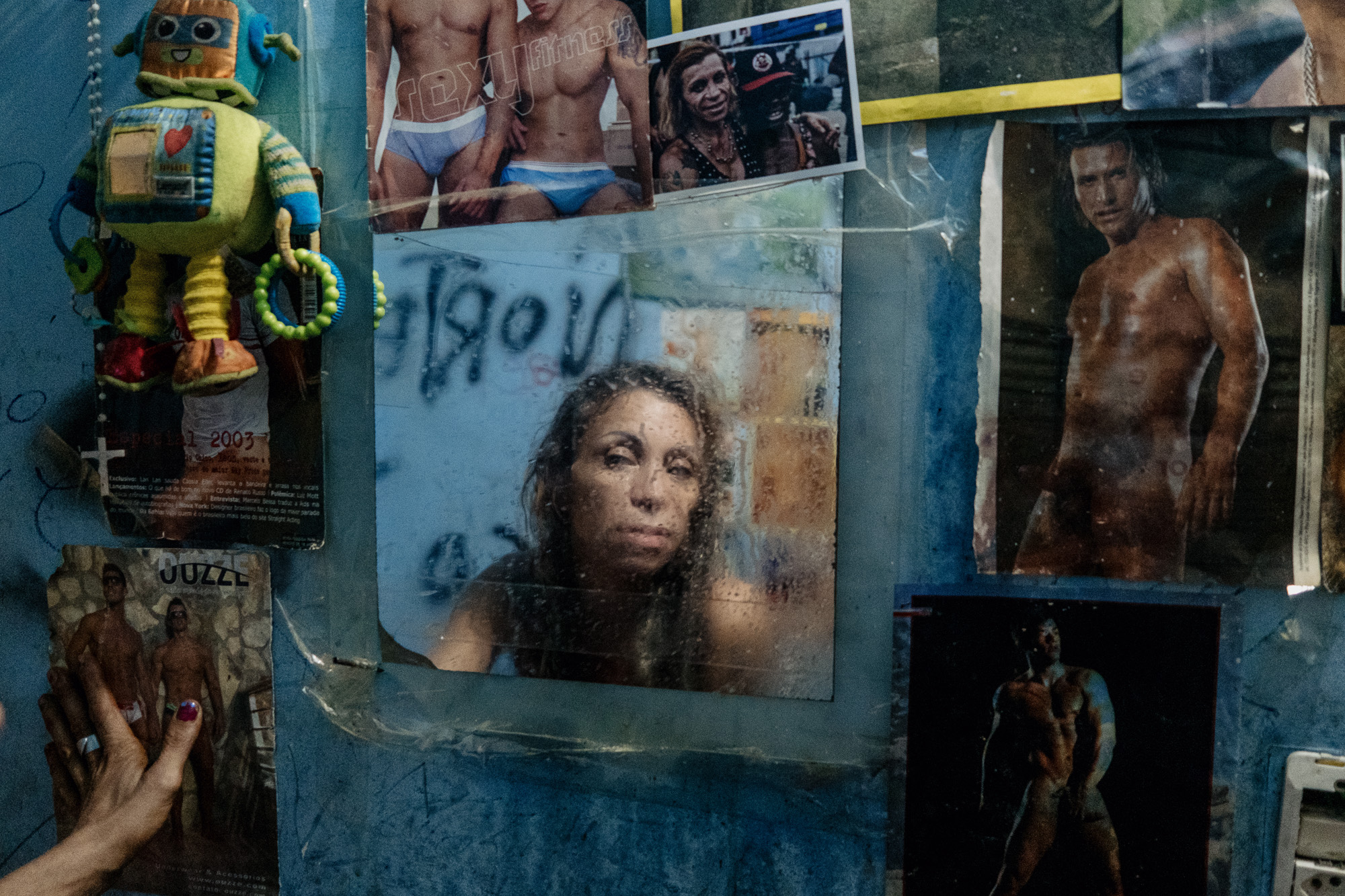
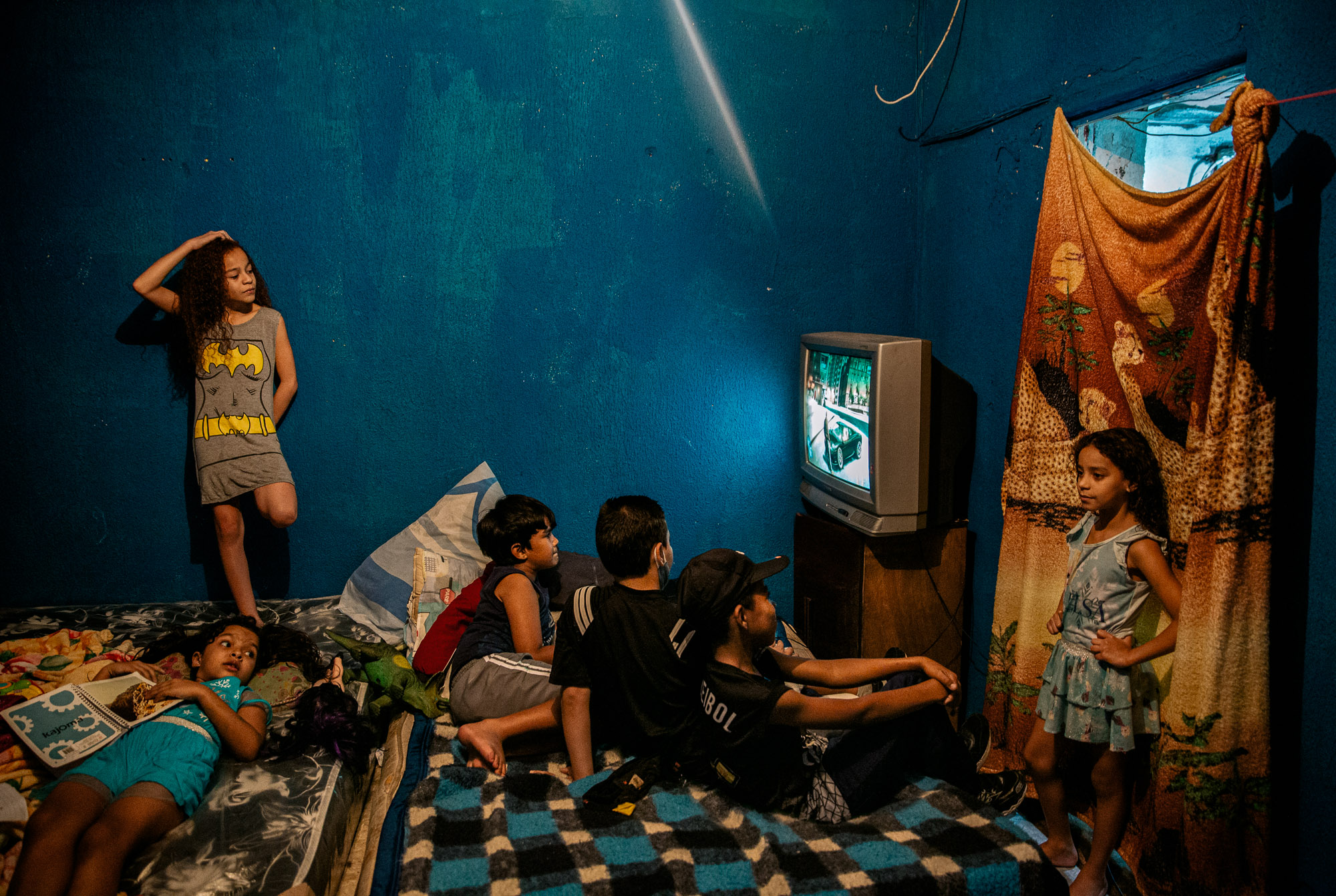
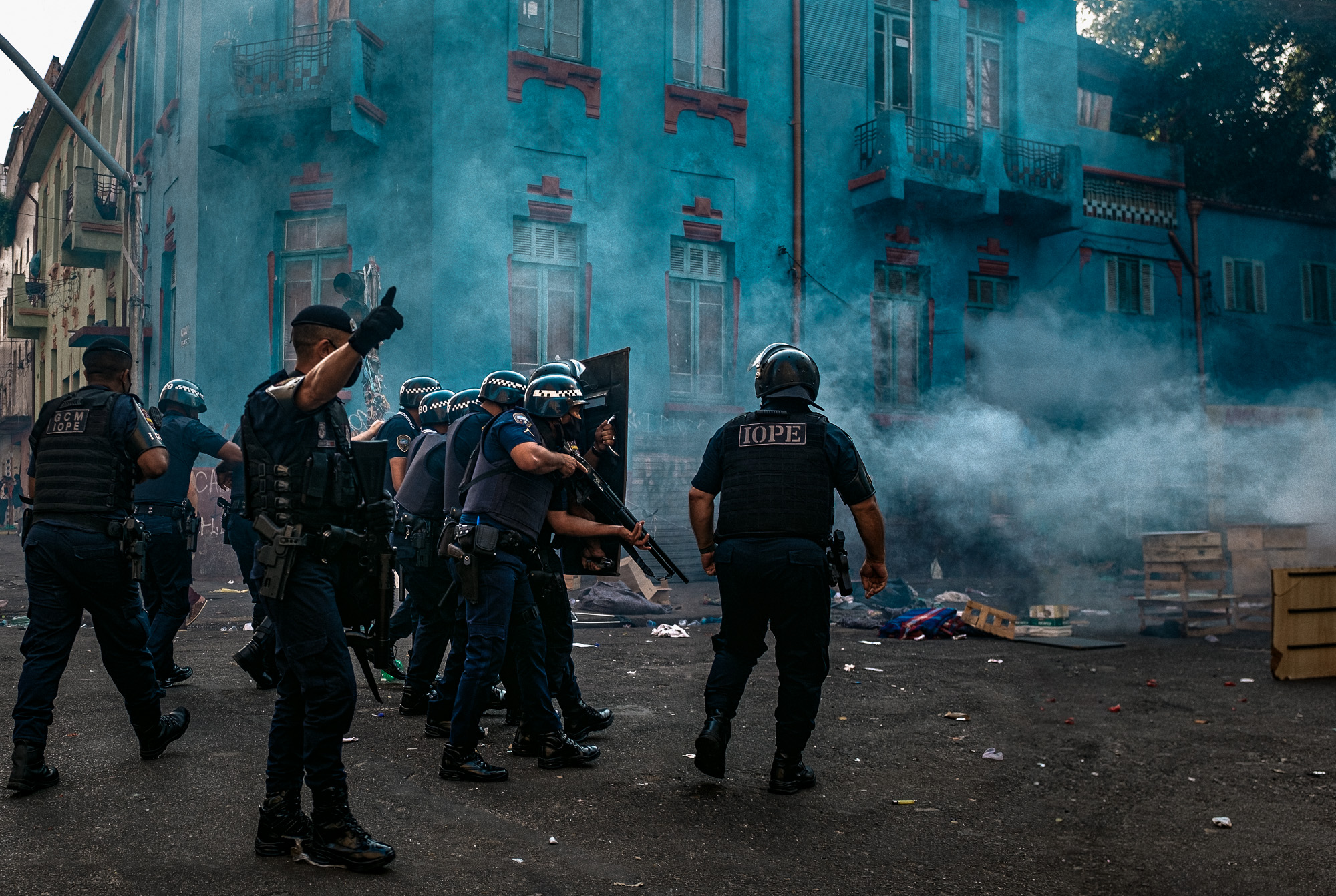
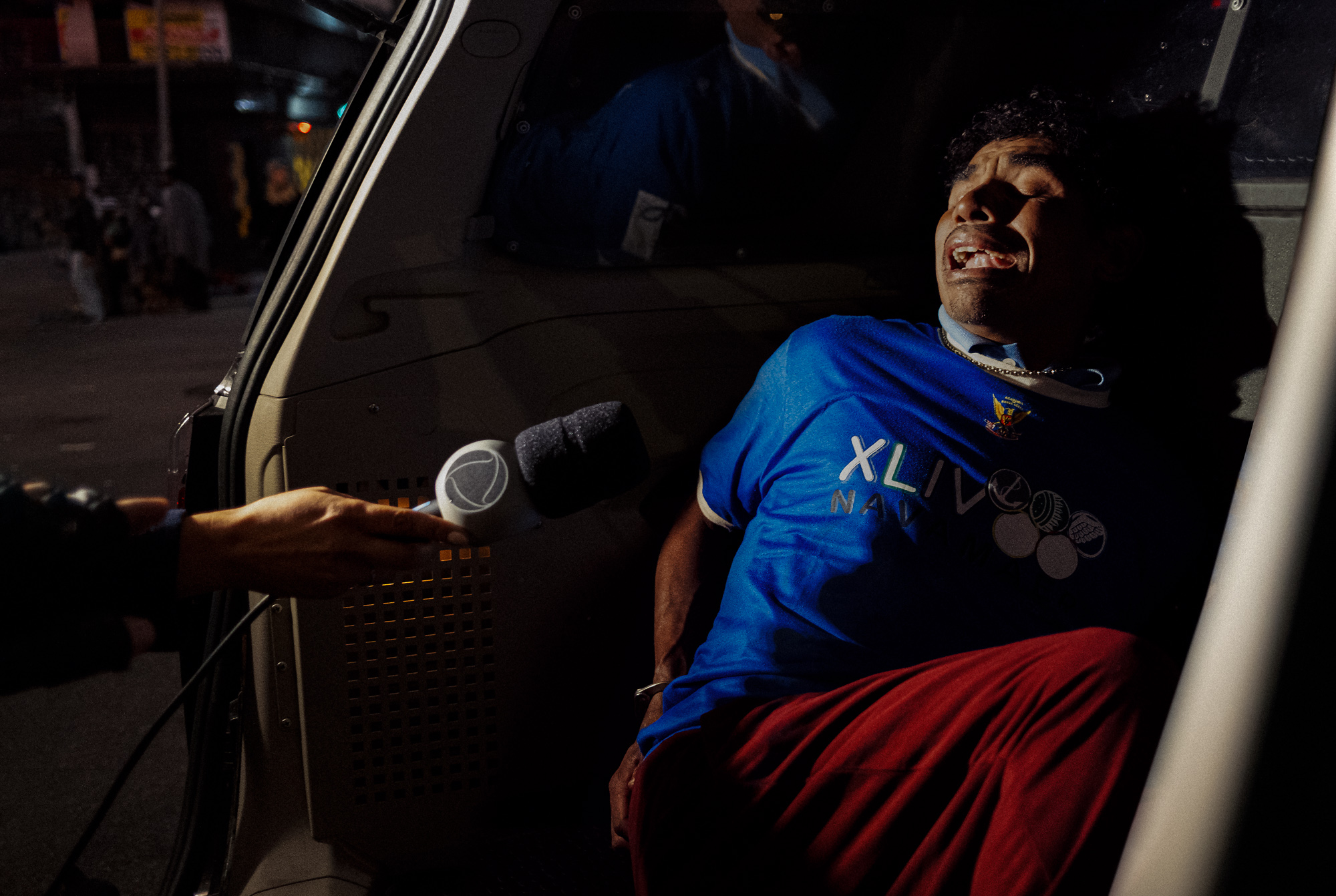
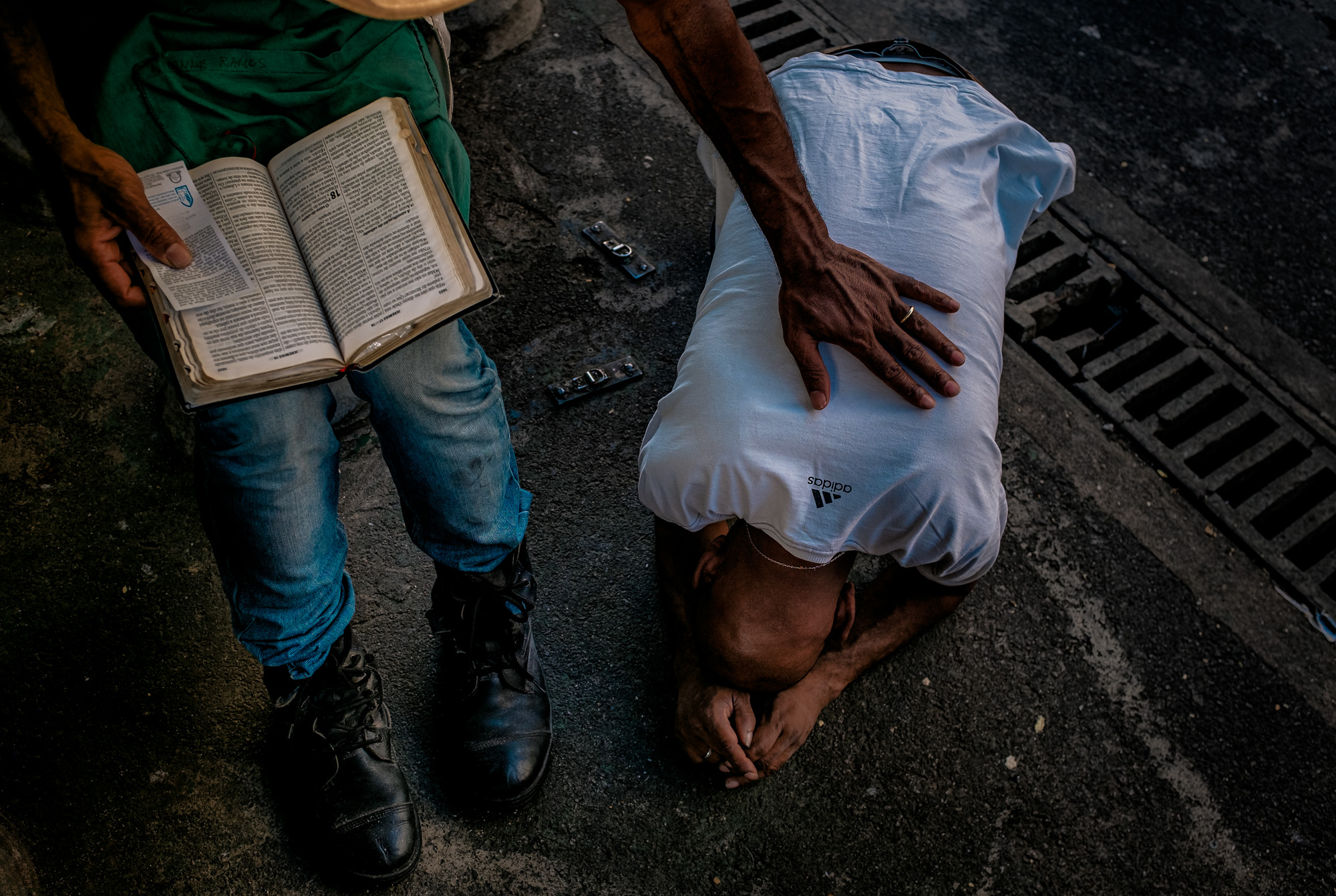
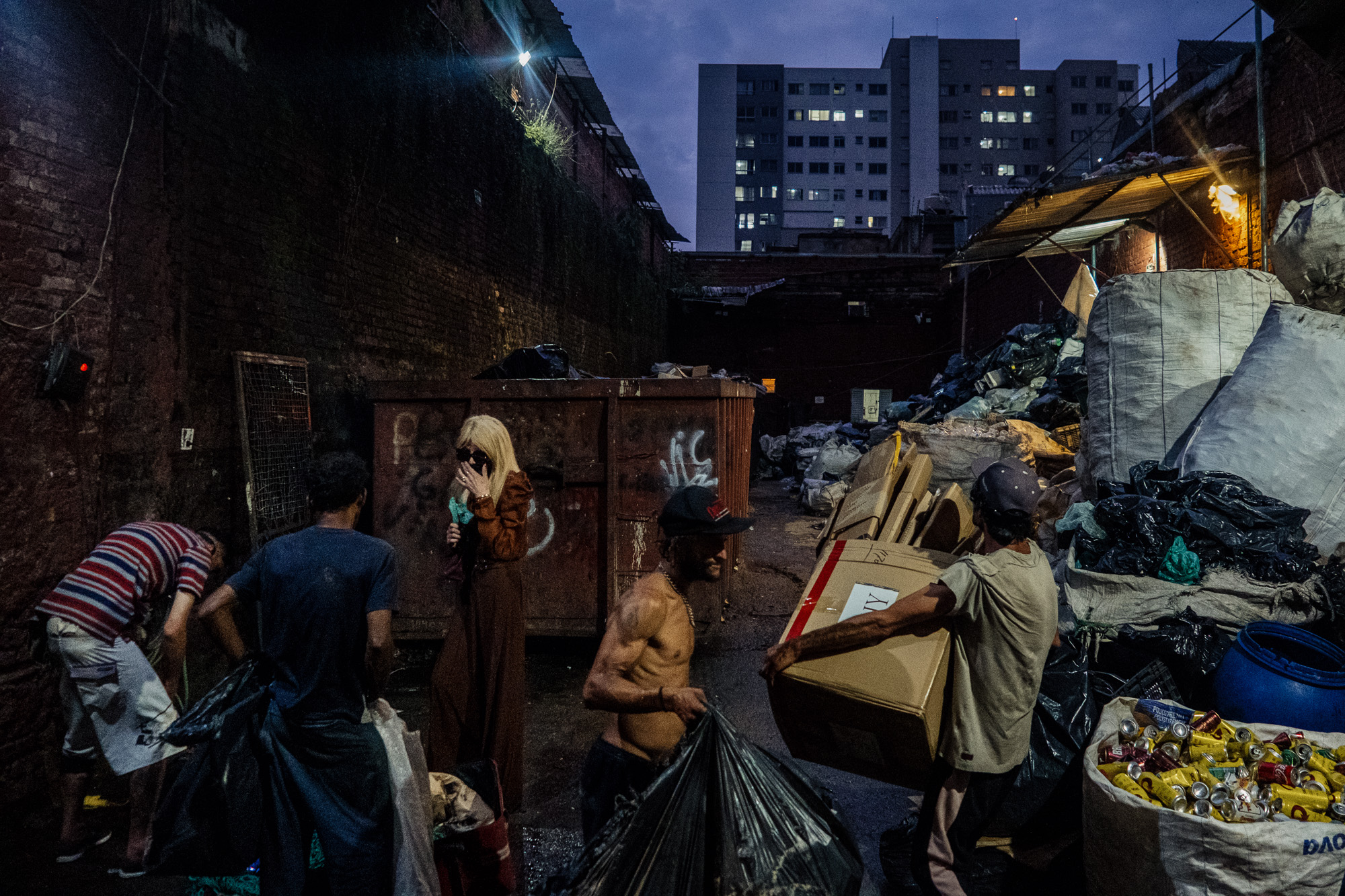
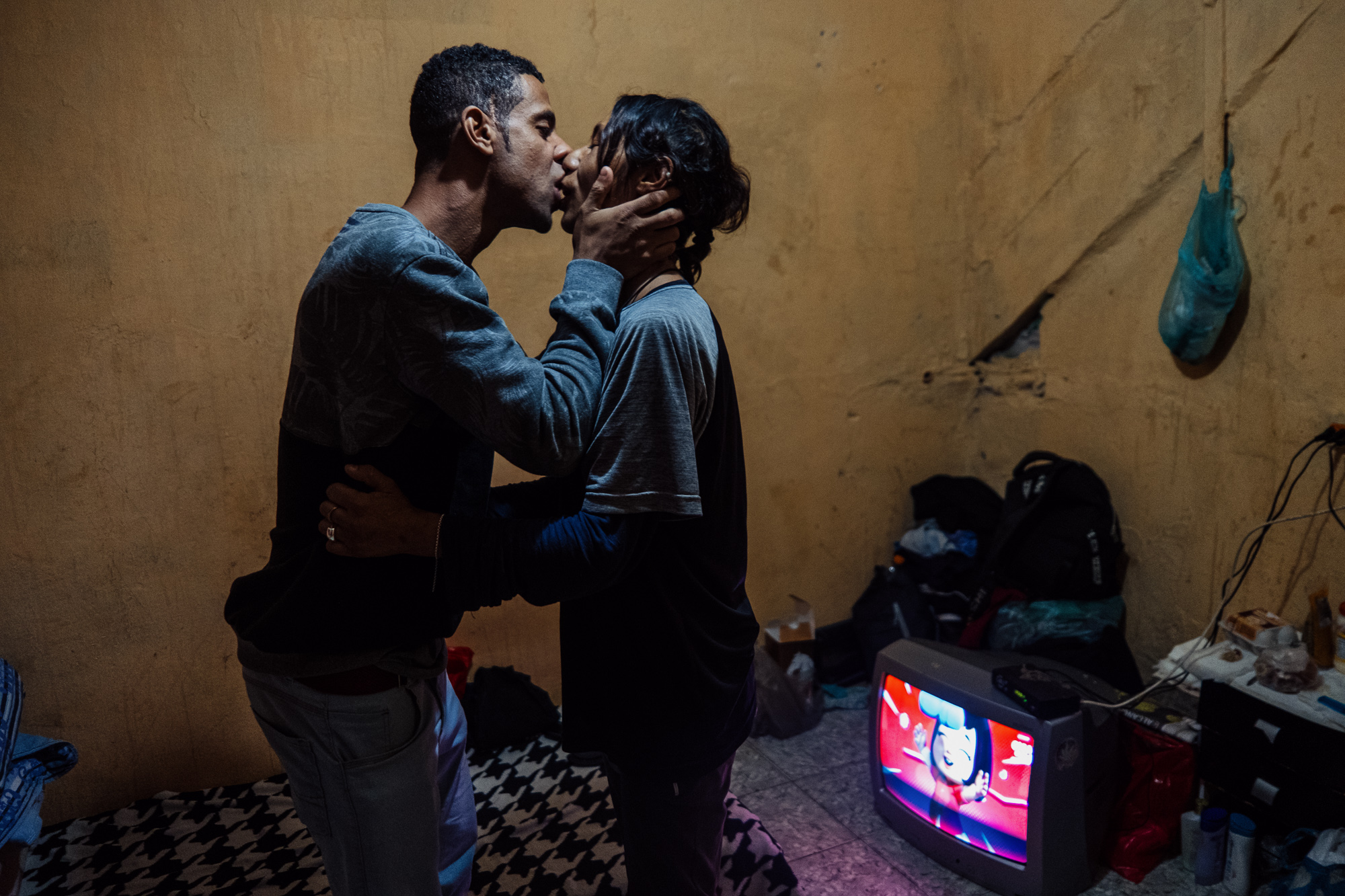
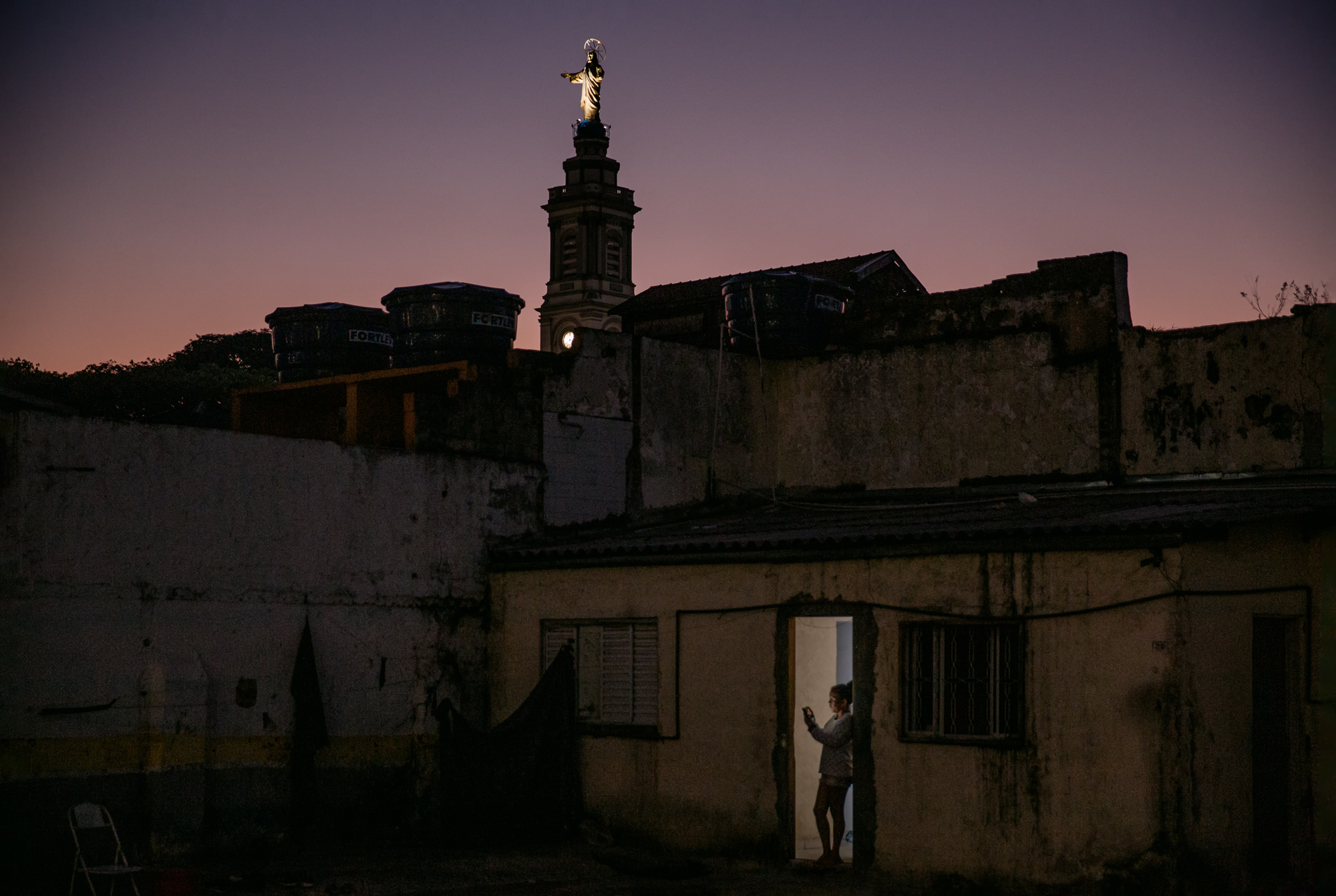
The Portuguese word Zumbi, which comes from the Bantu Quimbundo language spoken in Northern Angola, means corpse, ghost, or undead. This is how they are called, in a derogatory way, crack users who walk day and night through the streets of Cracolândia, the largest open-air crack consumption scene in South America, in the center of São Paolo, Brazil. Zumbi also has another meaning: it is the name of the last leader of the “Quilombo dos Palmares”, an autonomous community formed in the 17th century by former slaves who fled from Brazilian plantations. Quilombos were black, marginal, and peripheral territories. In Brazil, they still represent a symbol of resistance today. The “Fluxo”, the heart of Cracolândia, an open-air drug market that operates 24 hours a day, is a system of relationships and opportunities, in which crack is sold, consumed, and transformed into a currency of exchange. For many residents of São Paulo, Cracolândia is an incurable cancer that has developed in the belly of the Brazilian megalopolis over the last three decades. Nevertheless, for the bodies that inhabit it, Cracolândia is a quilombo (community), as well as home and the last possible shelter.
About the photographer
Luca Meola
Freelance documentary photographer, born in Milan in 1977, he has a degree in Sociology. In 2003 He moved to Bolivia where he worked with a human rights organization. In the last years he developed mostly personal and commissioned documentary projects. Since the end of 2014 he has been living between Italy and Brazil where he acts as photojournalist. His work has been exhibited in international festivals and featured in international magazines. He’s member of Codici ricerca e intervento, independent research organization of Milano. He is member and contributor of EverydayBrasil and EverydayAmazon (EverydayProjects).