
Gomma Photography Grant 2023
Un Pueblo Ritual
Photographer
Uruk Jozef
Un Pueblo Ritual
23 Feb, 2024
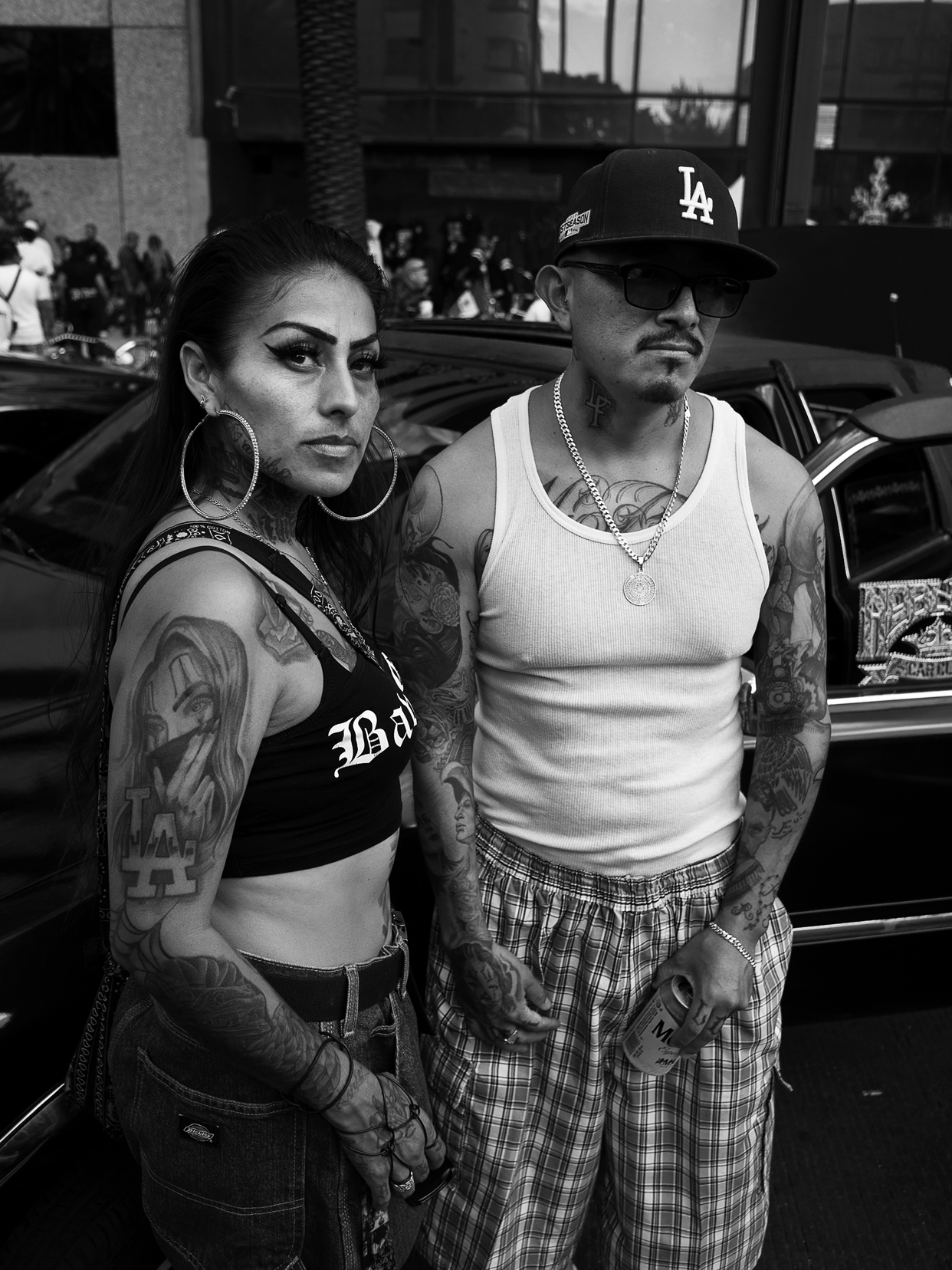
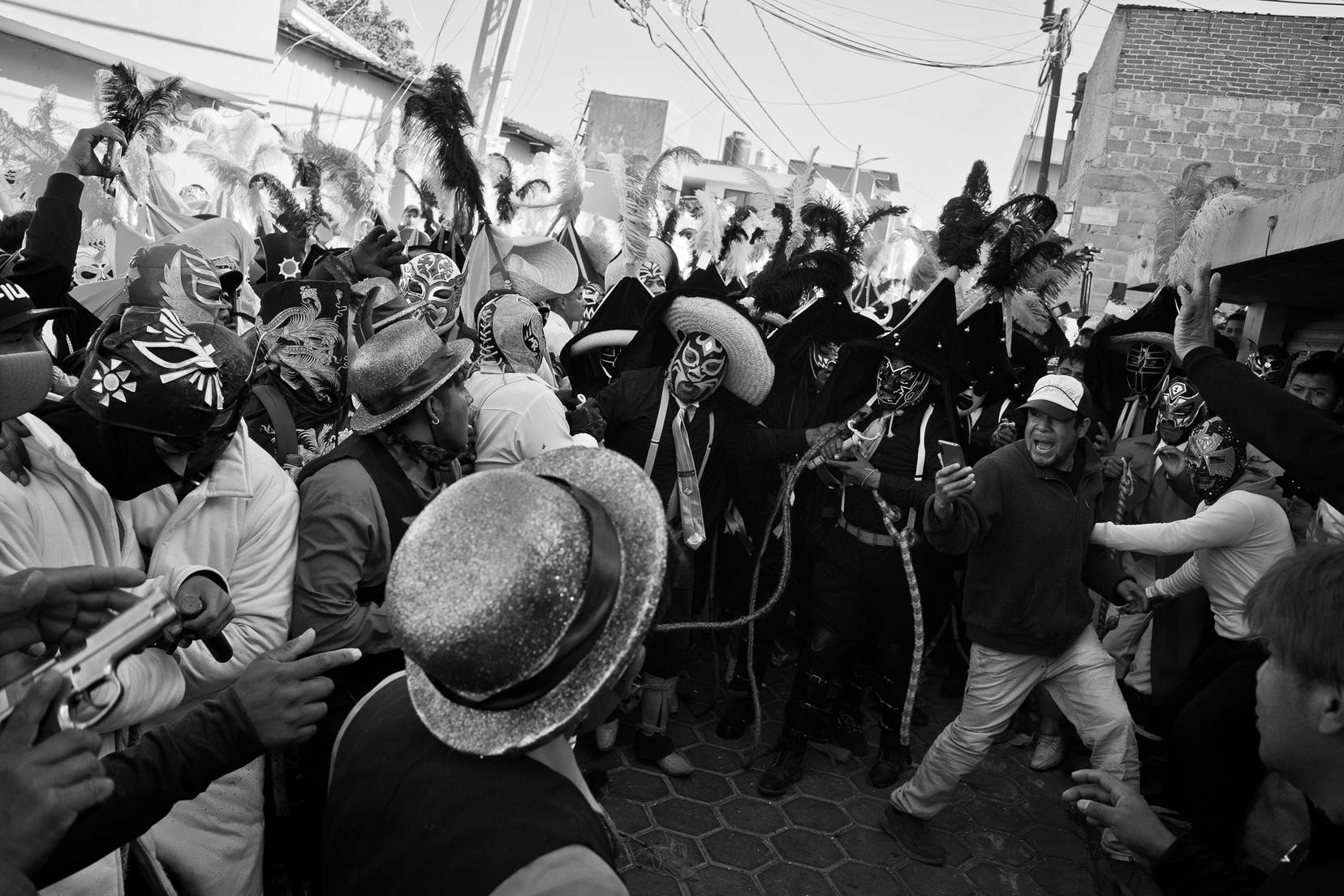
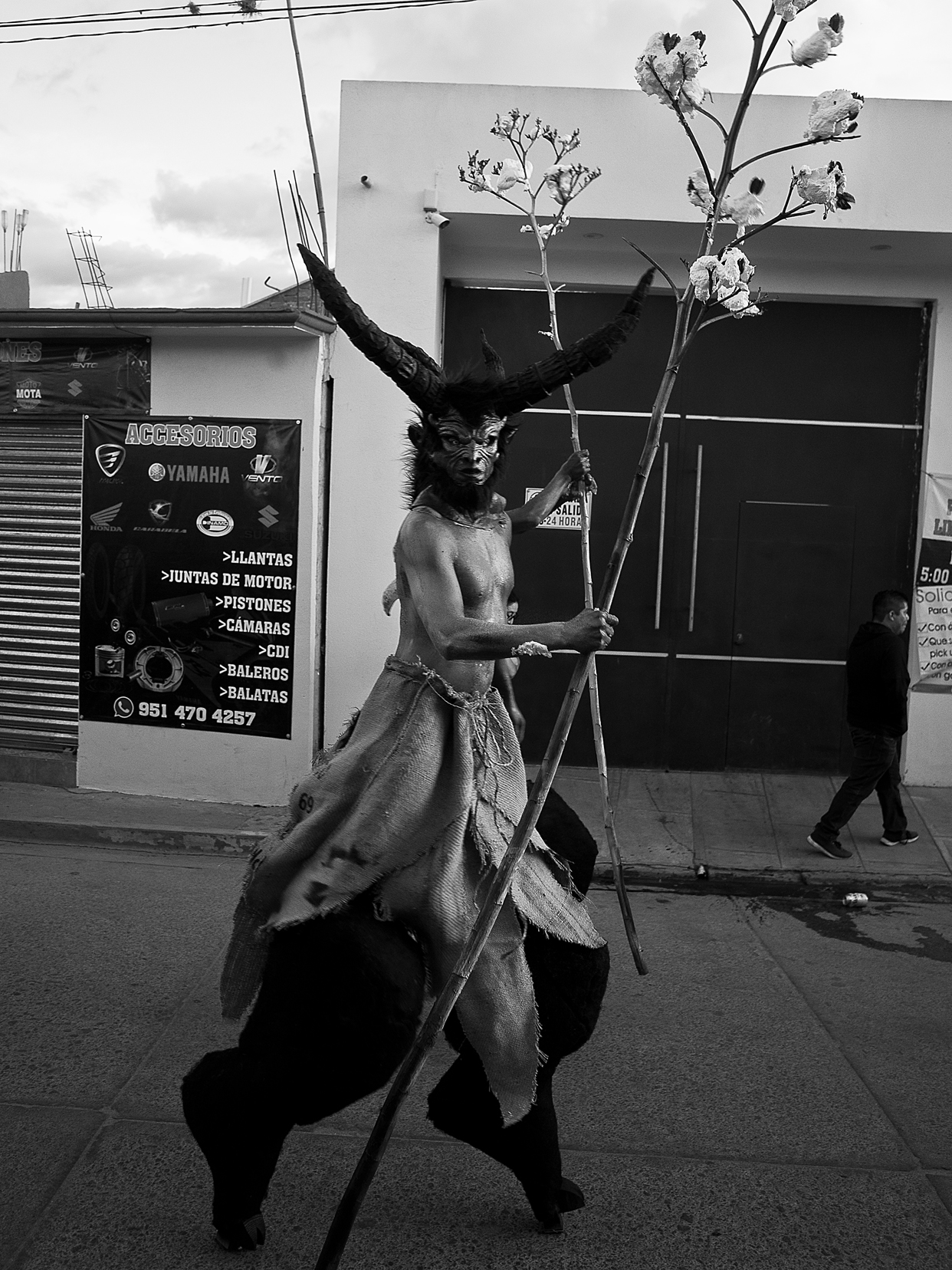
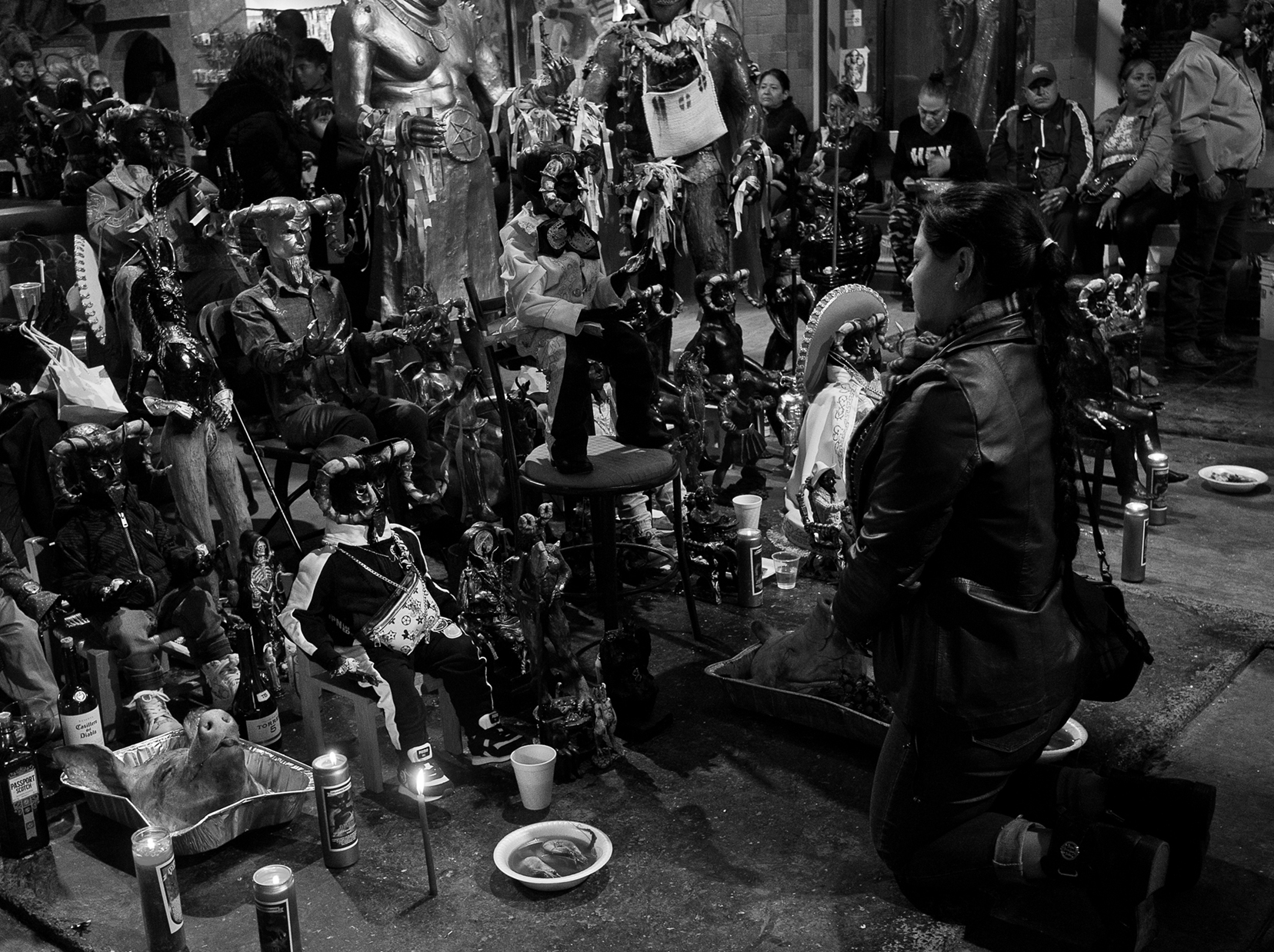
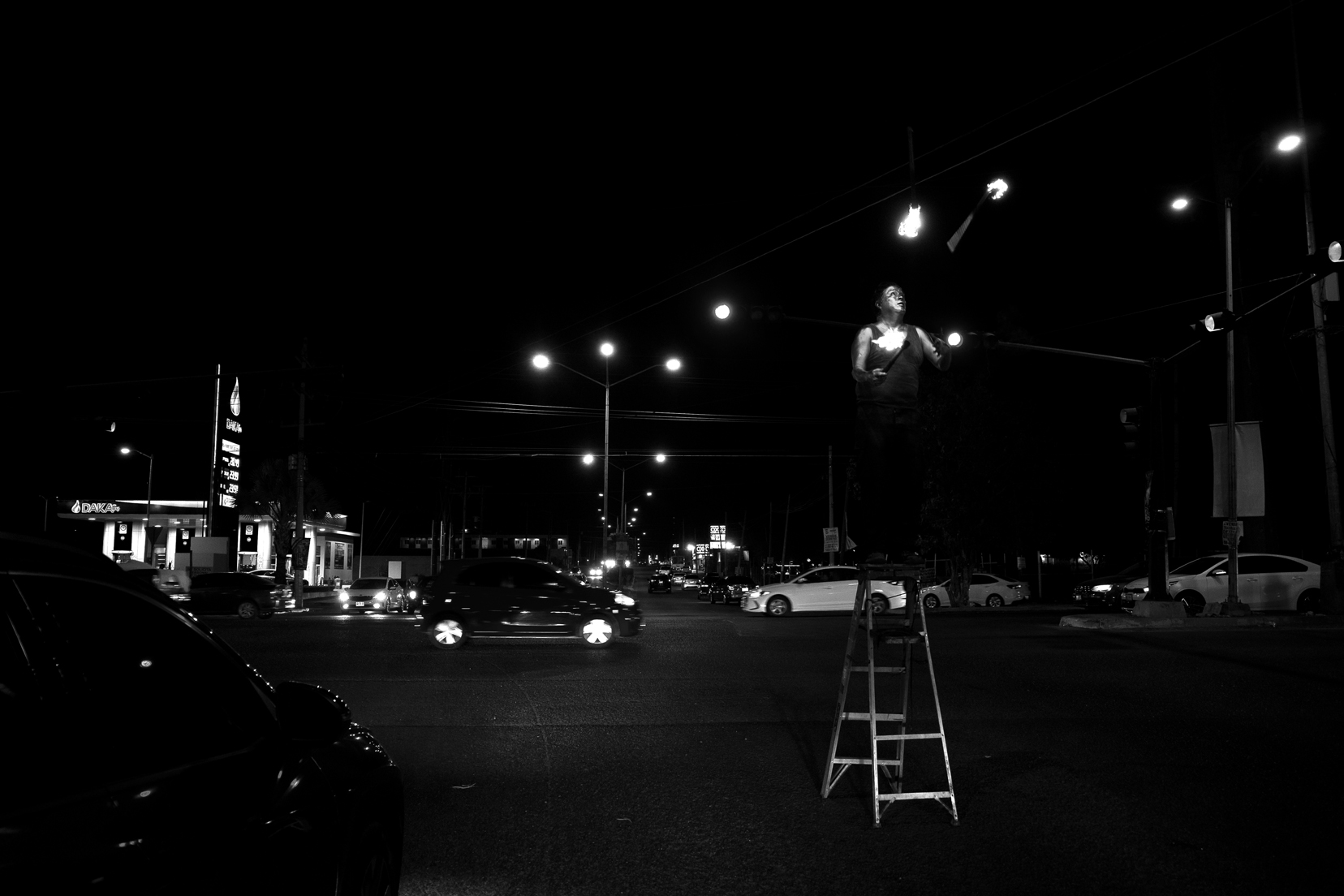
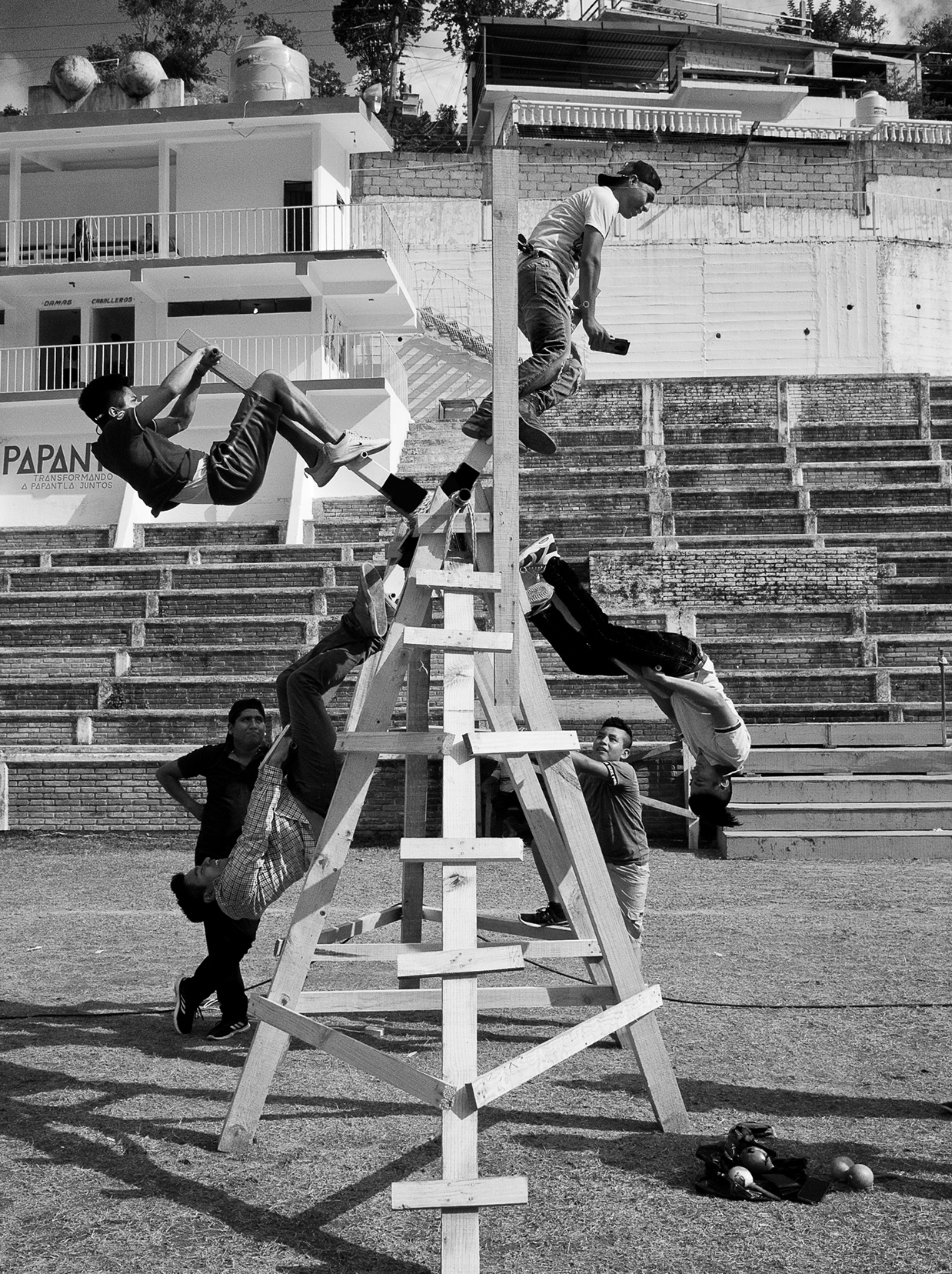
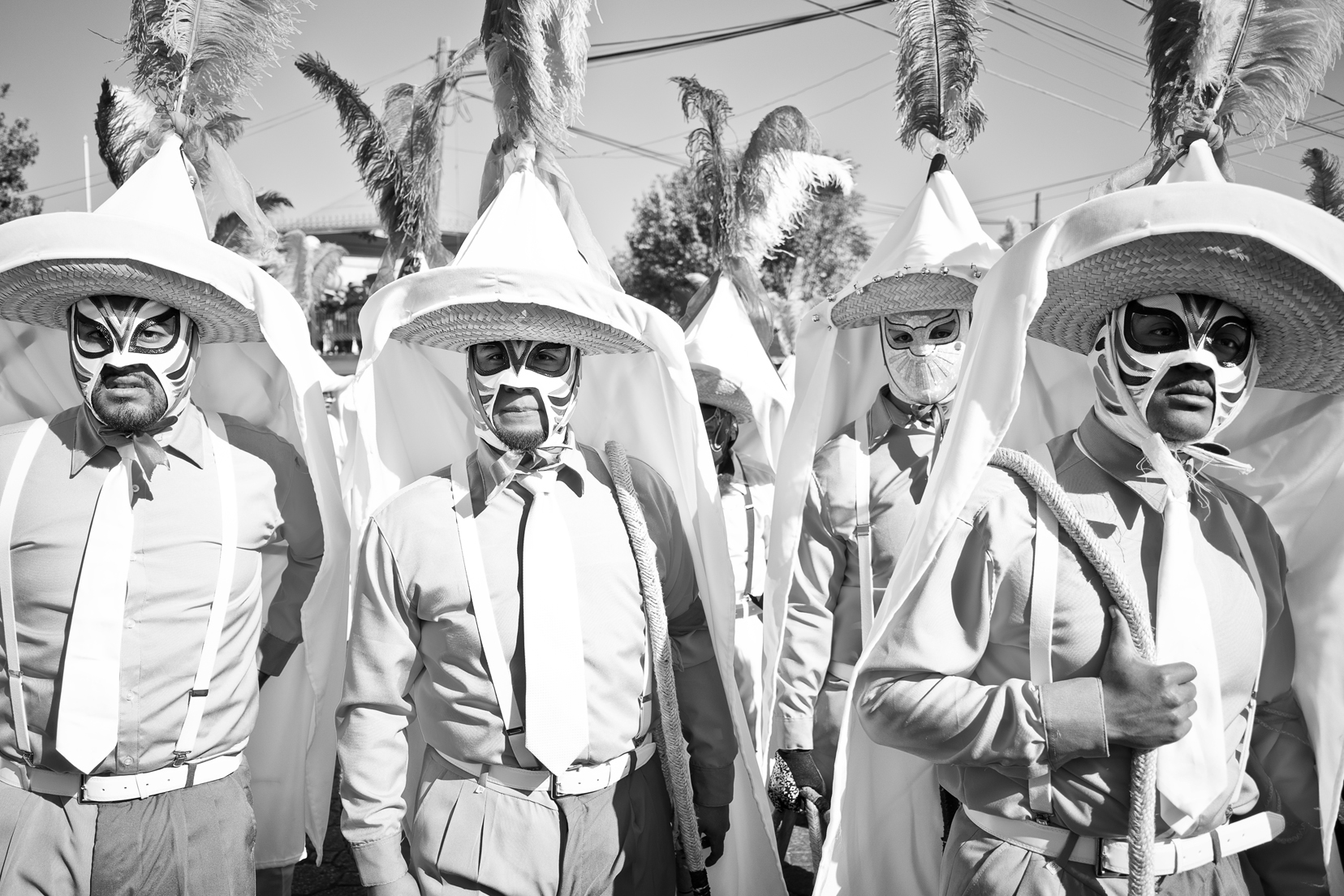
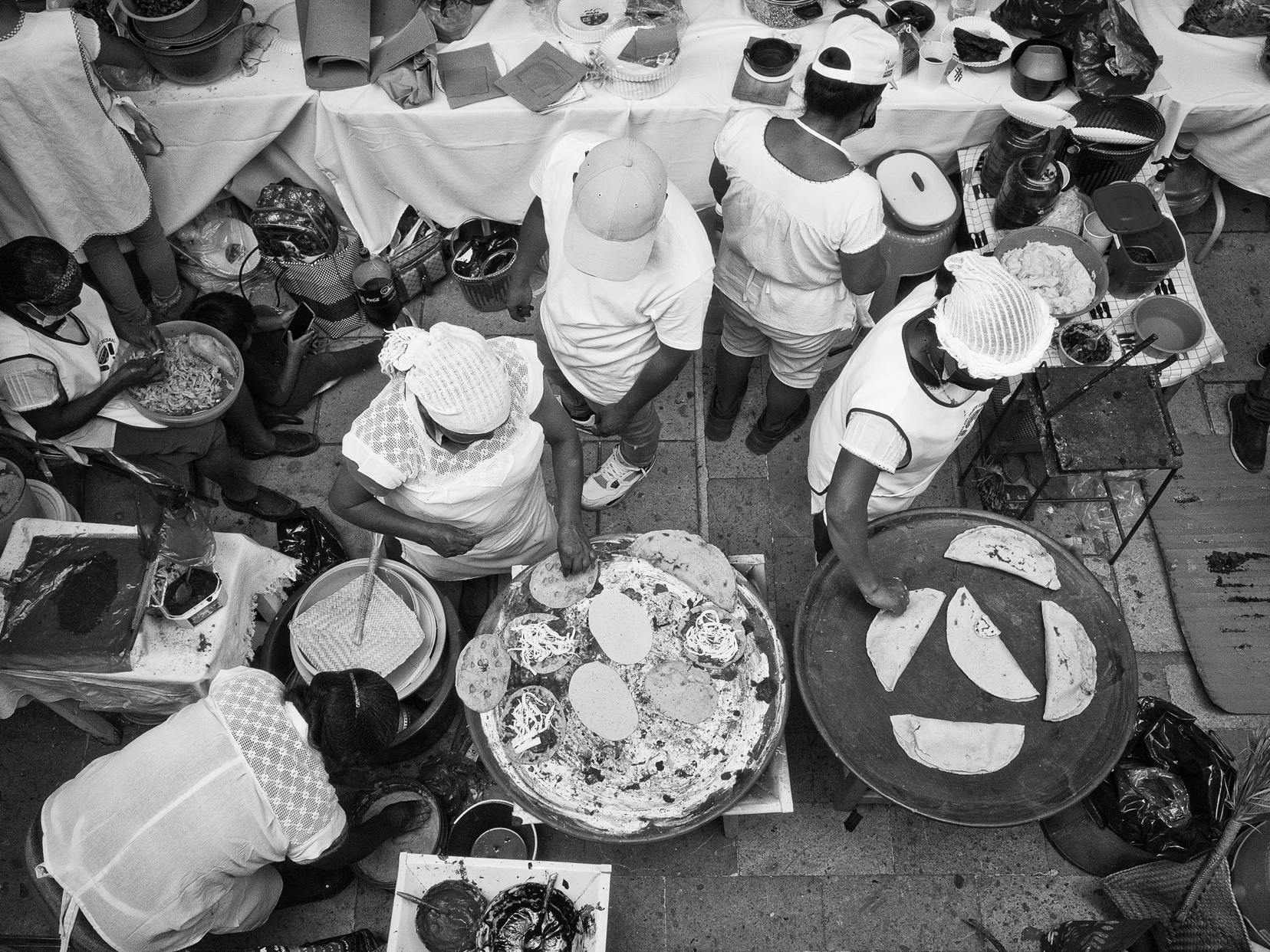
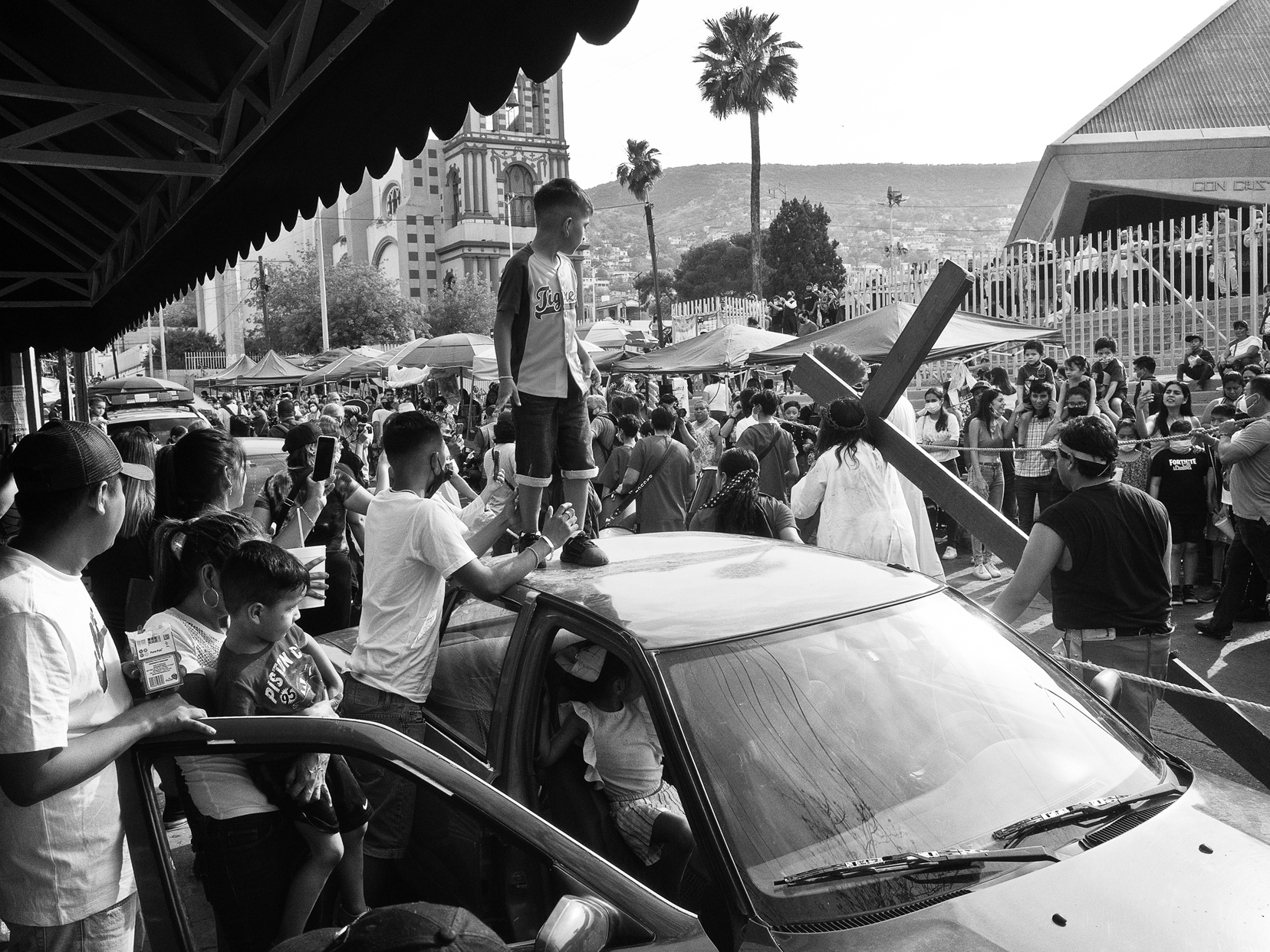
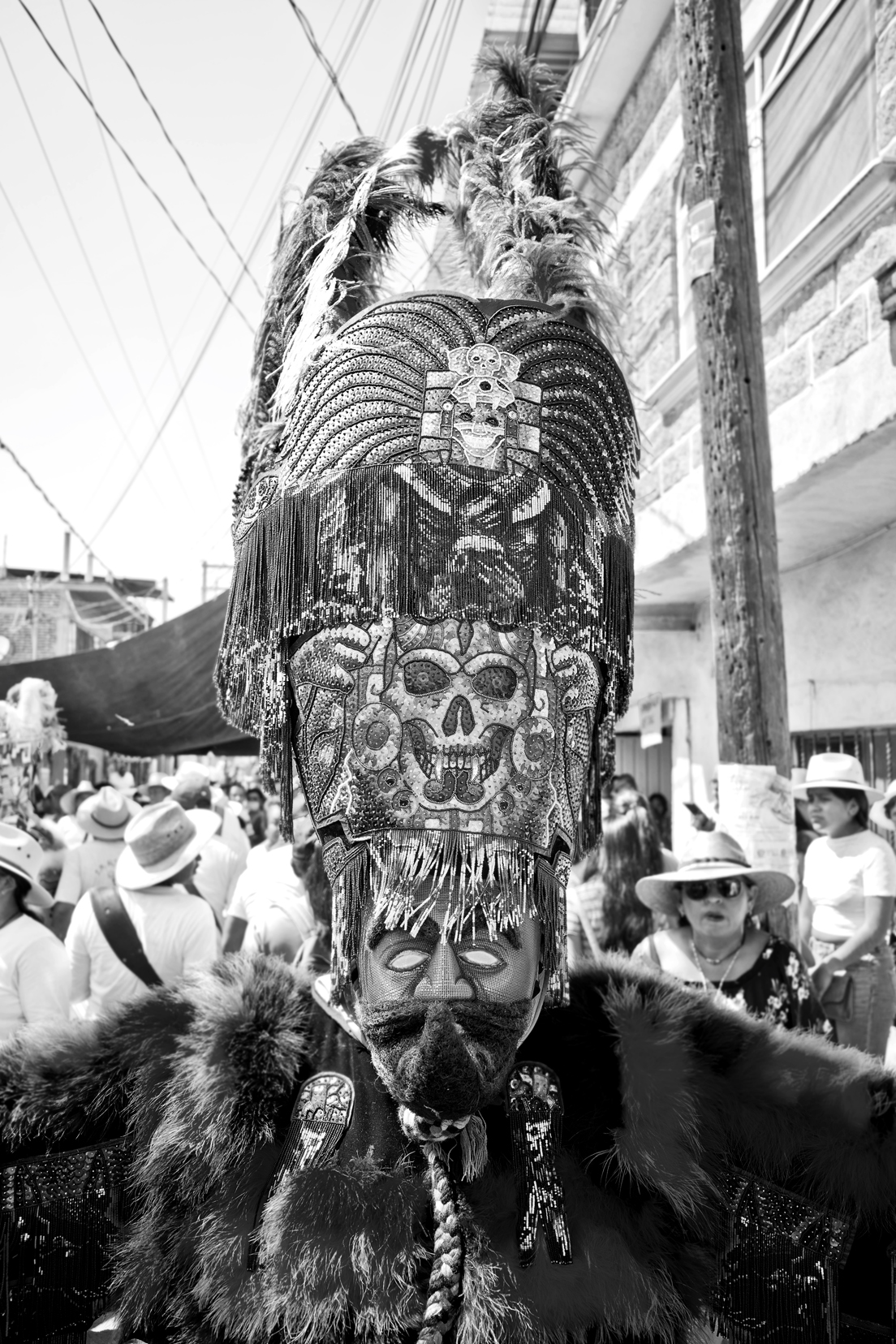
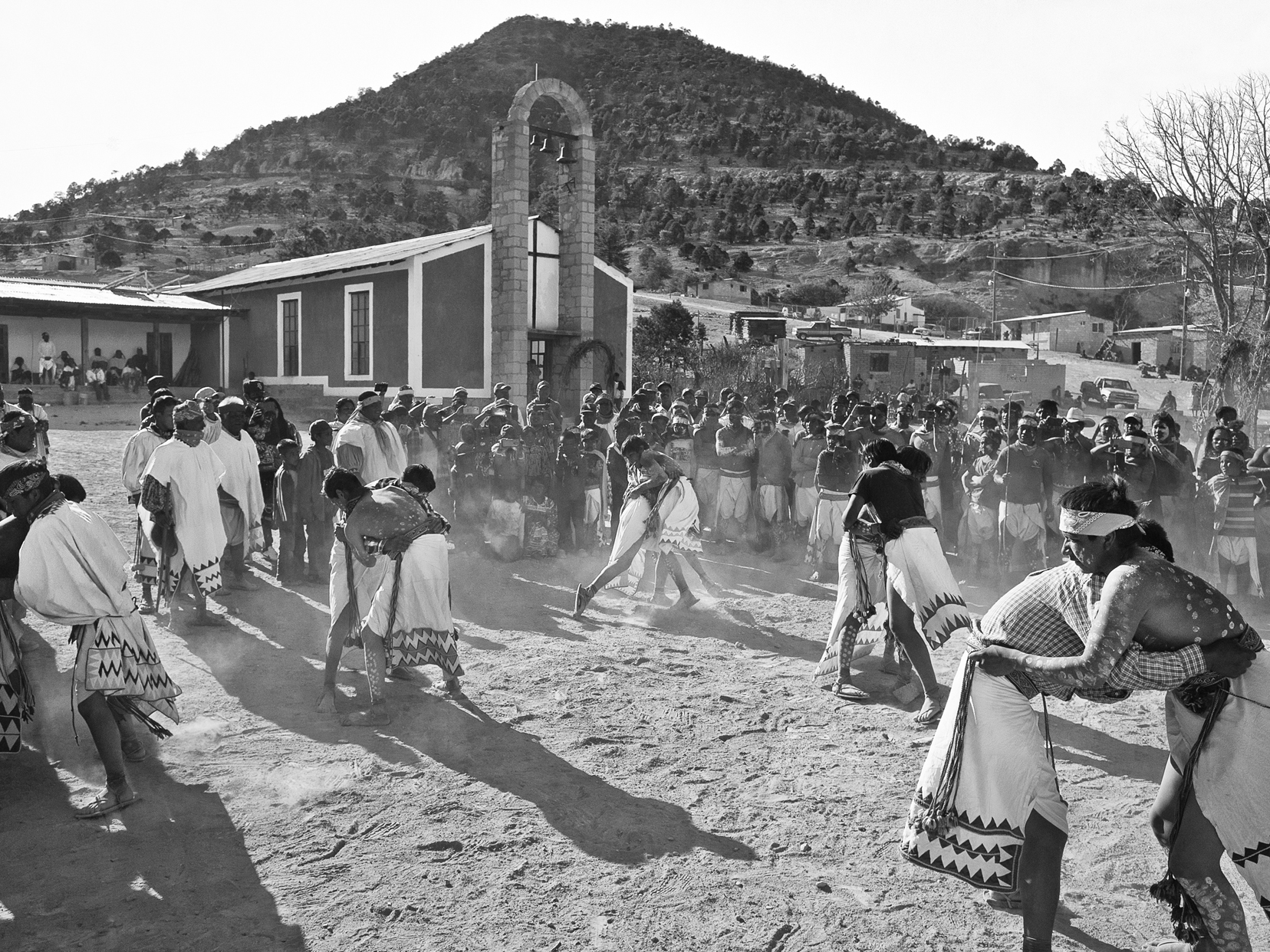
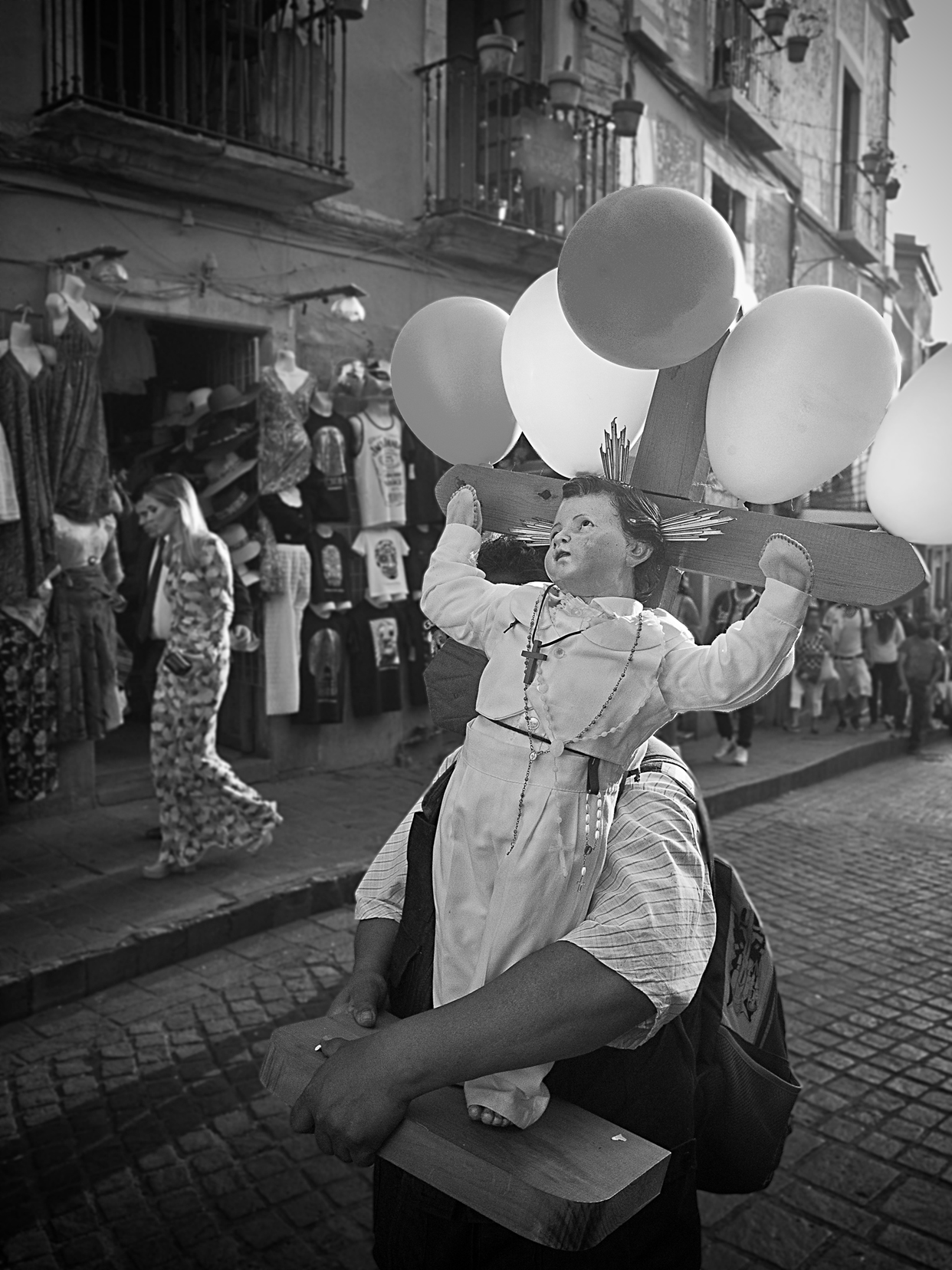
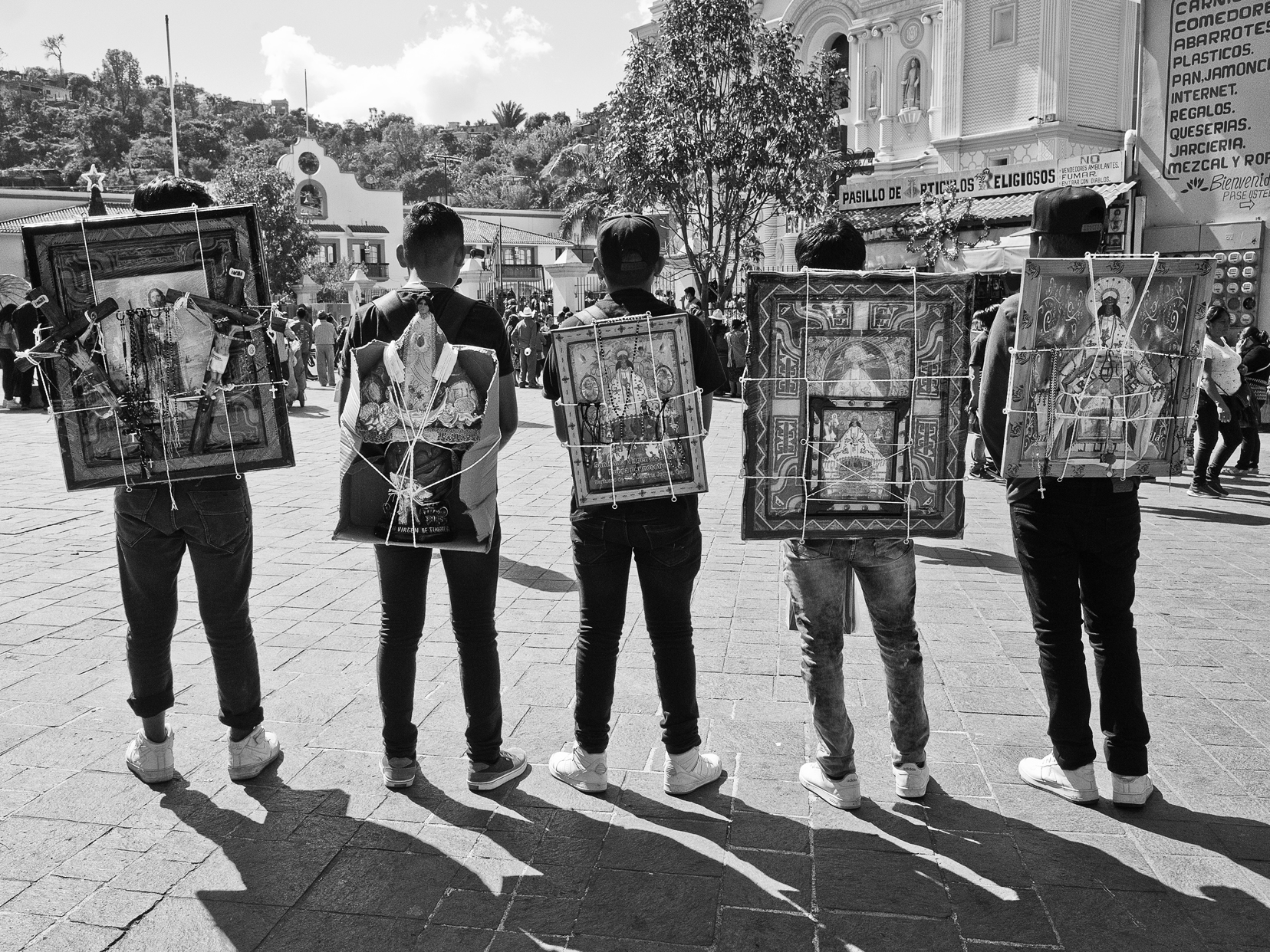
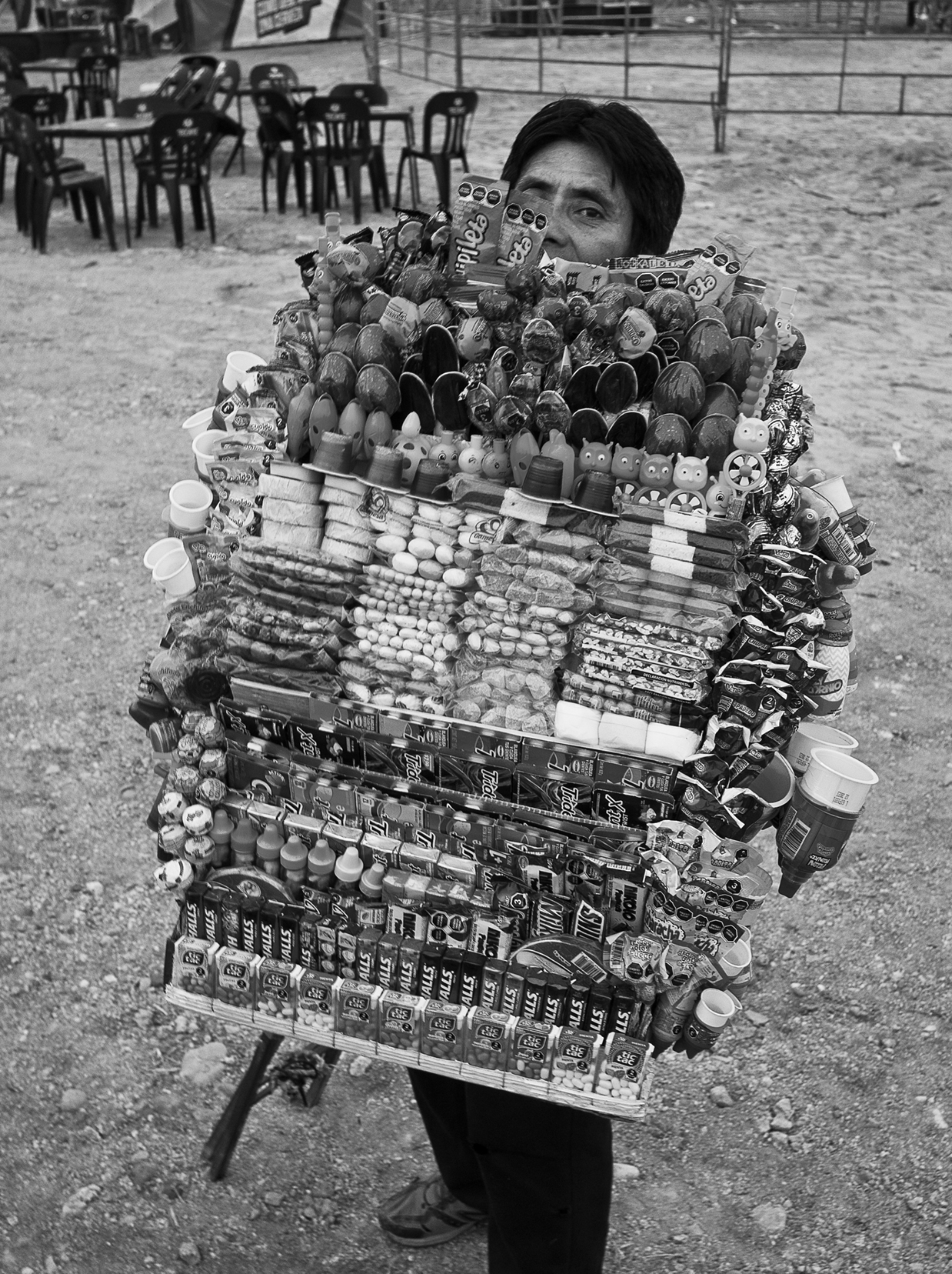
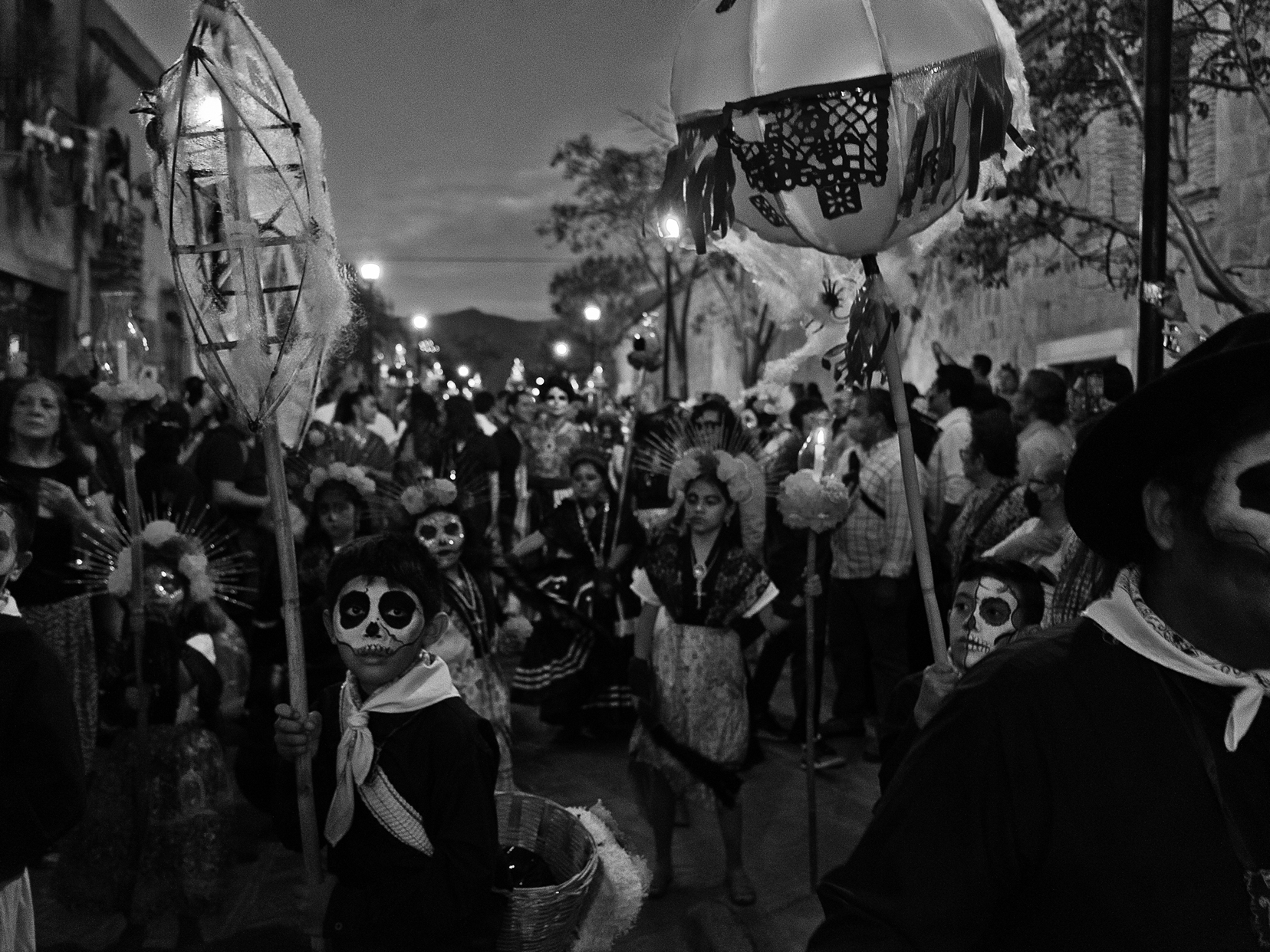
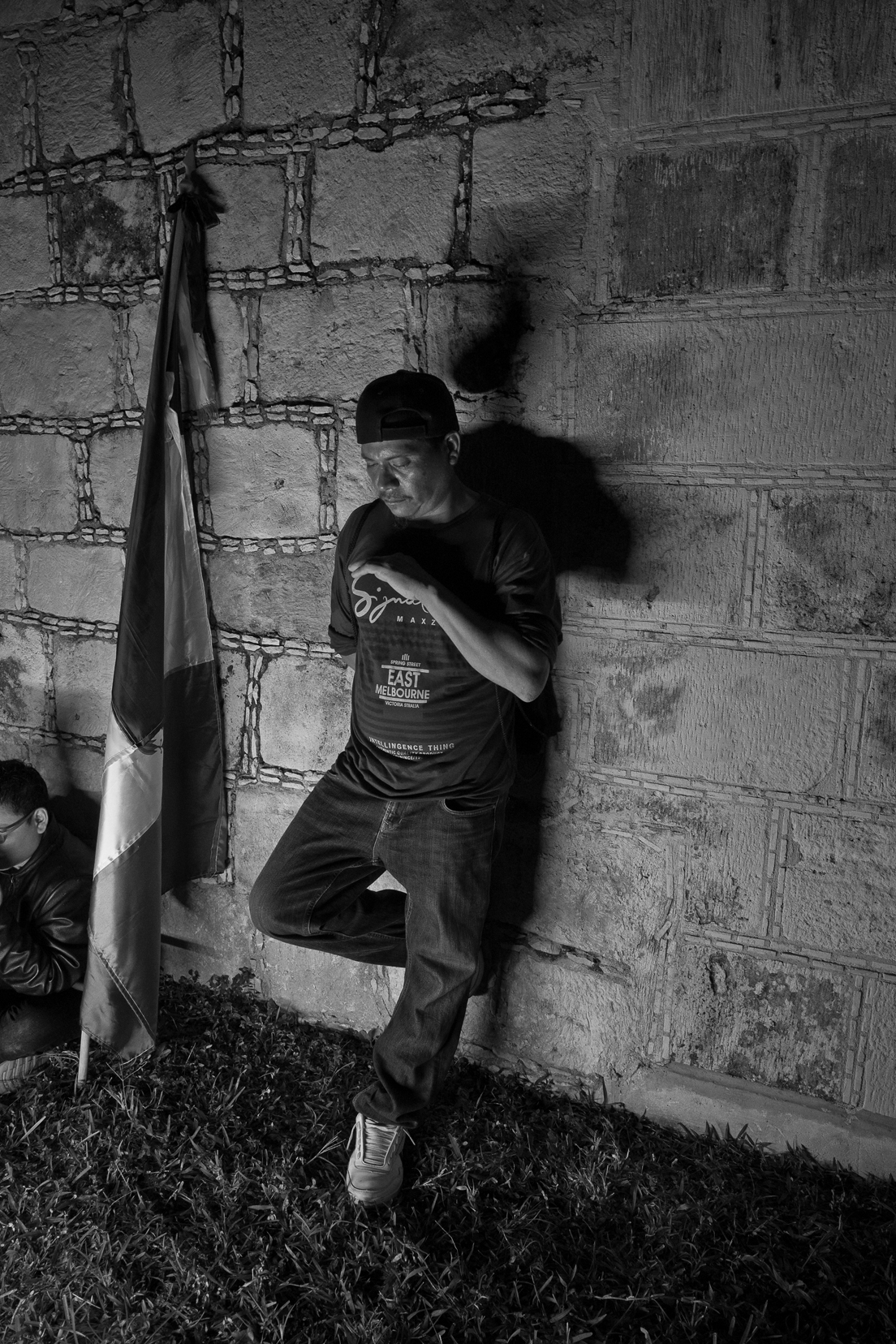
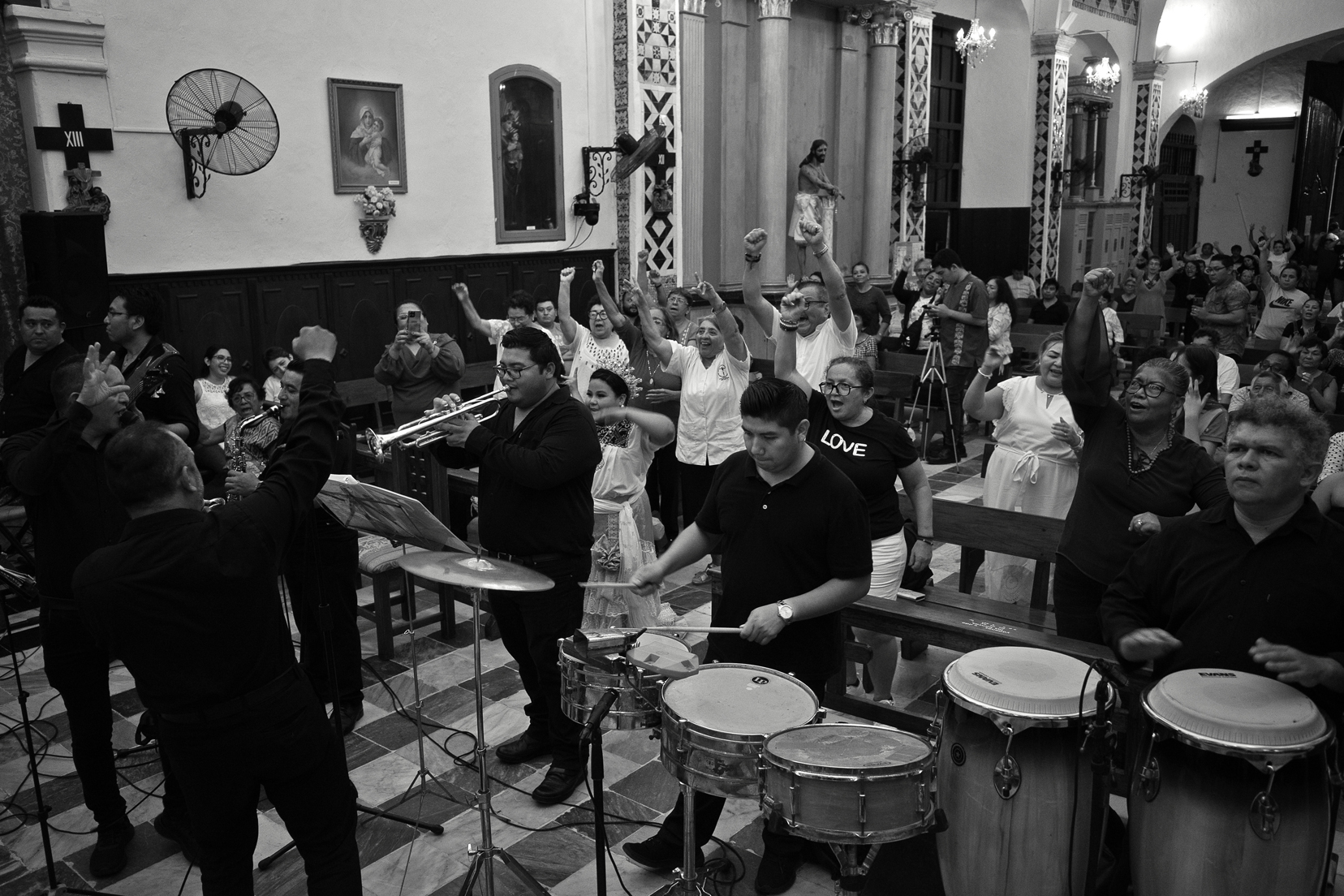
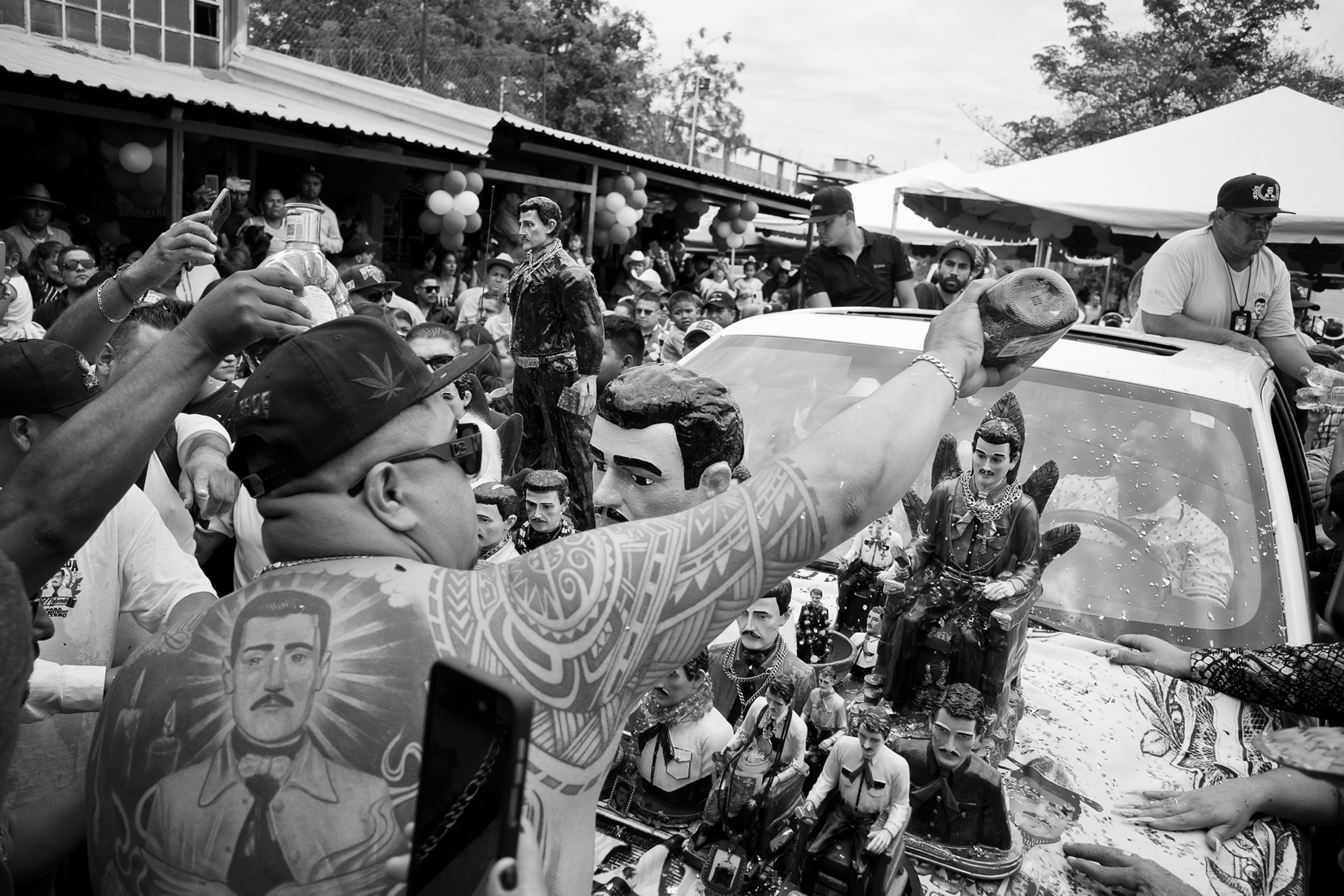
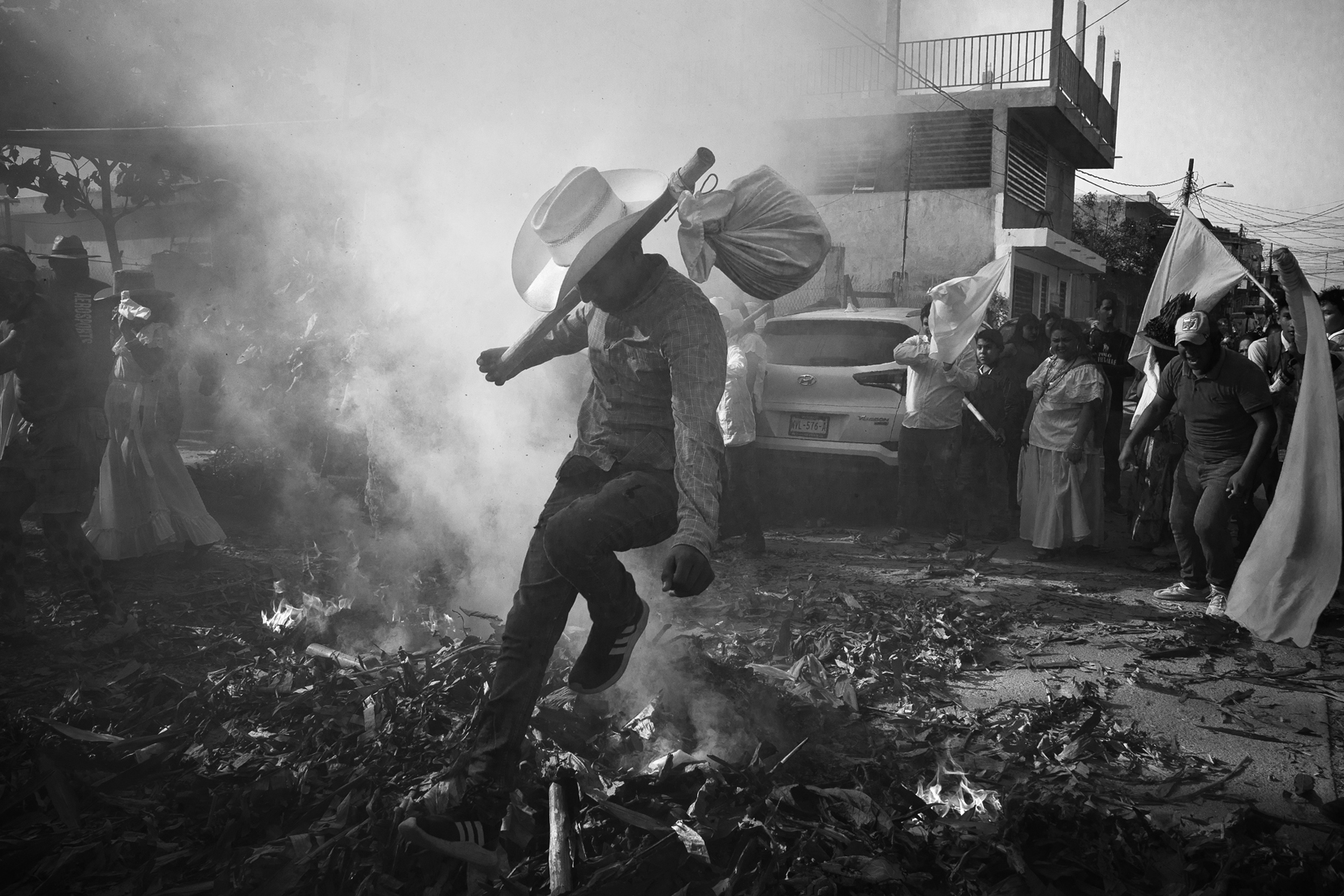
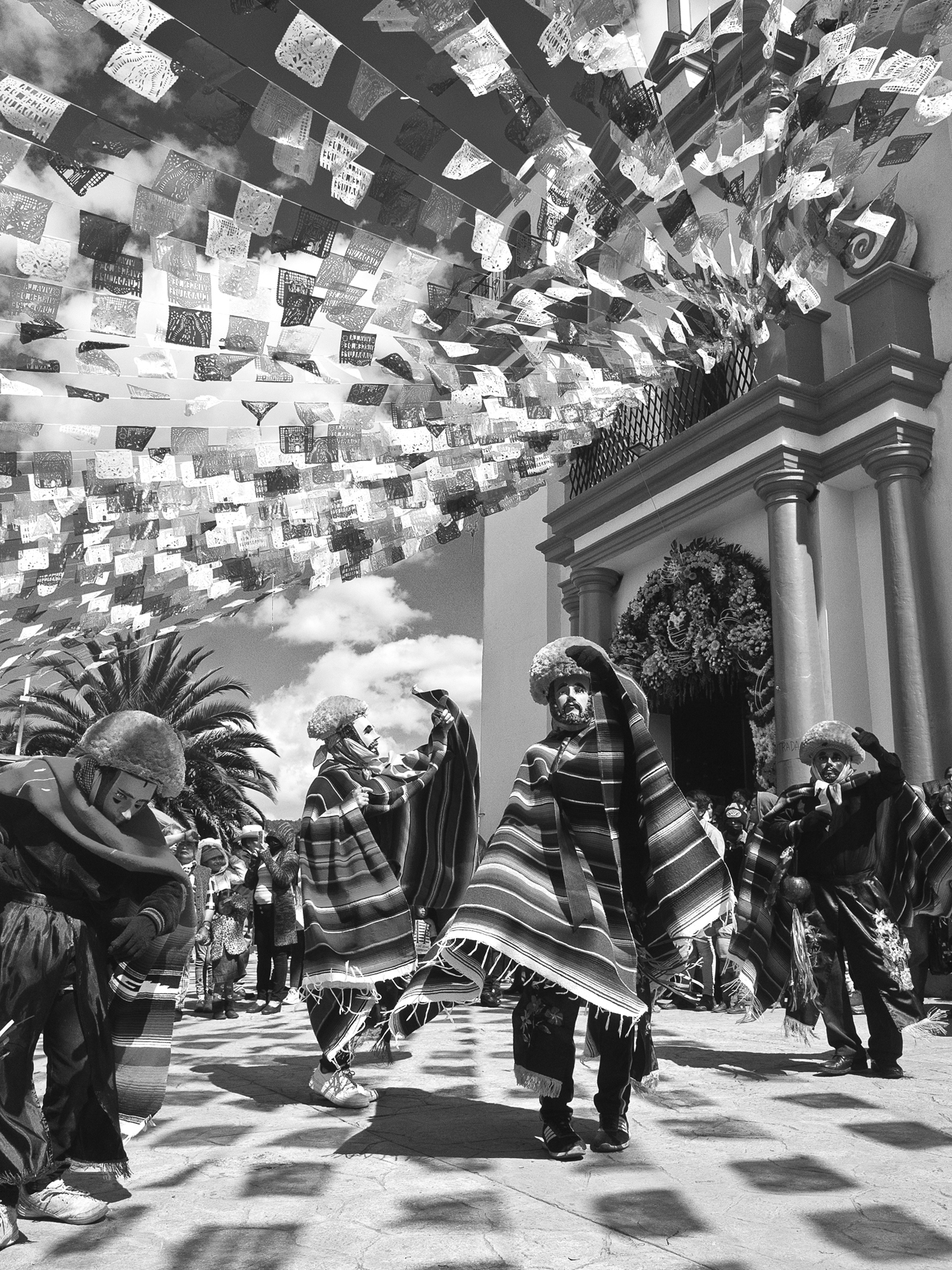
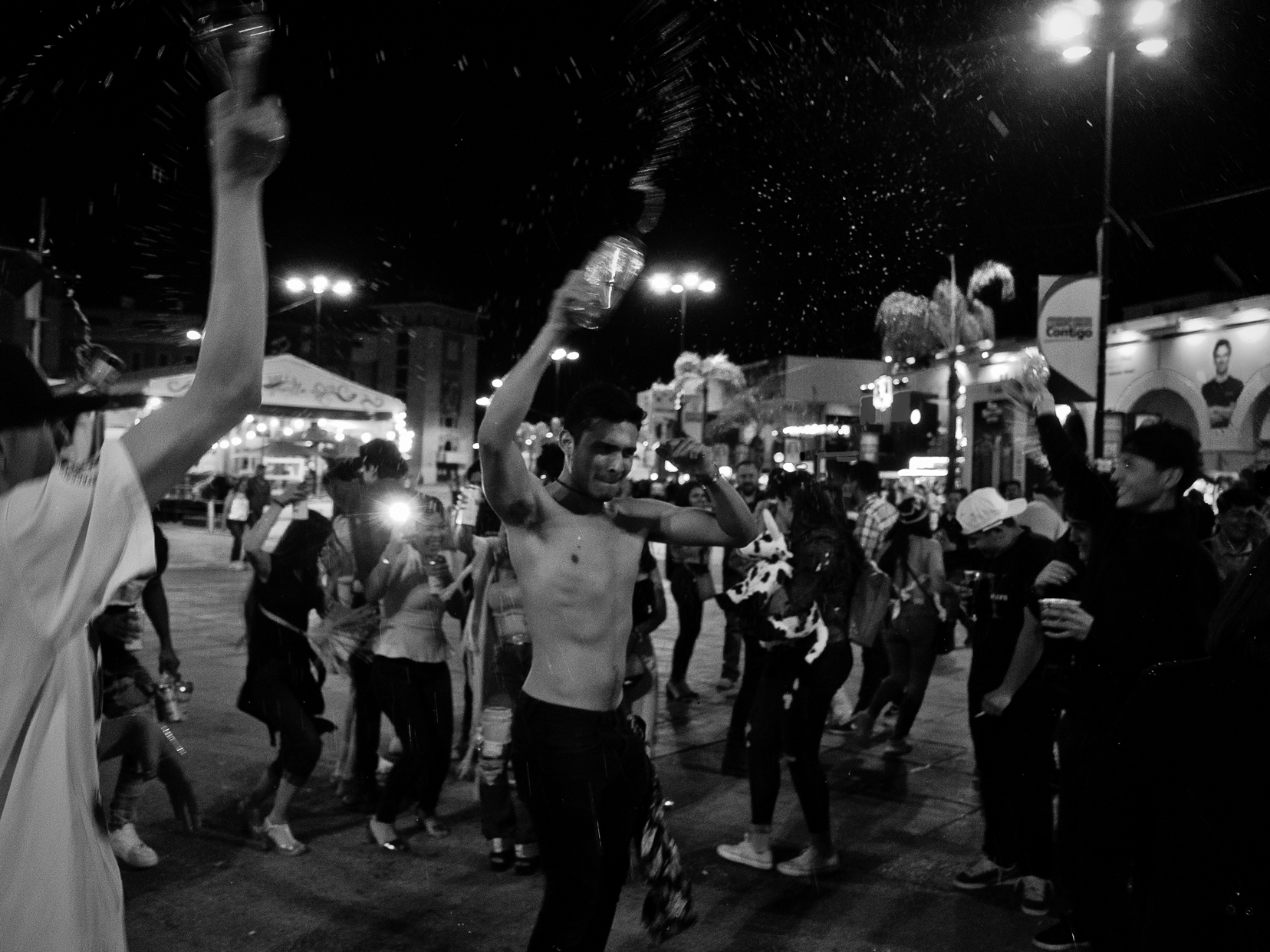
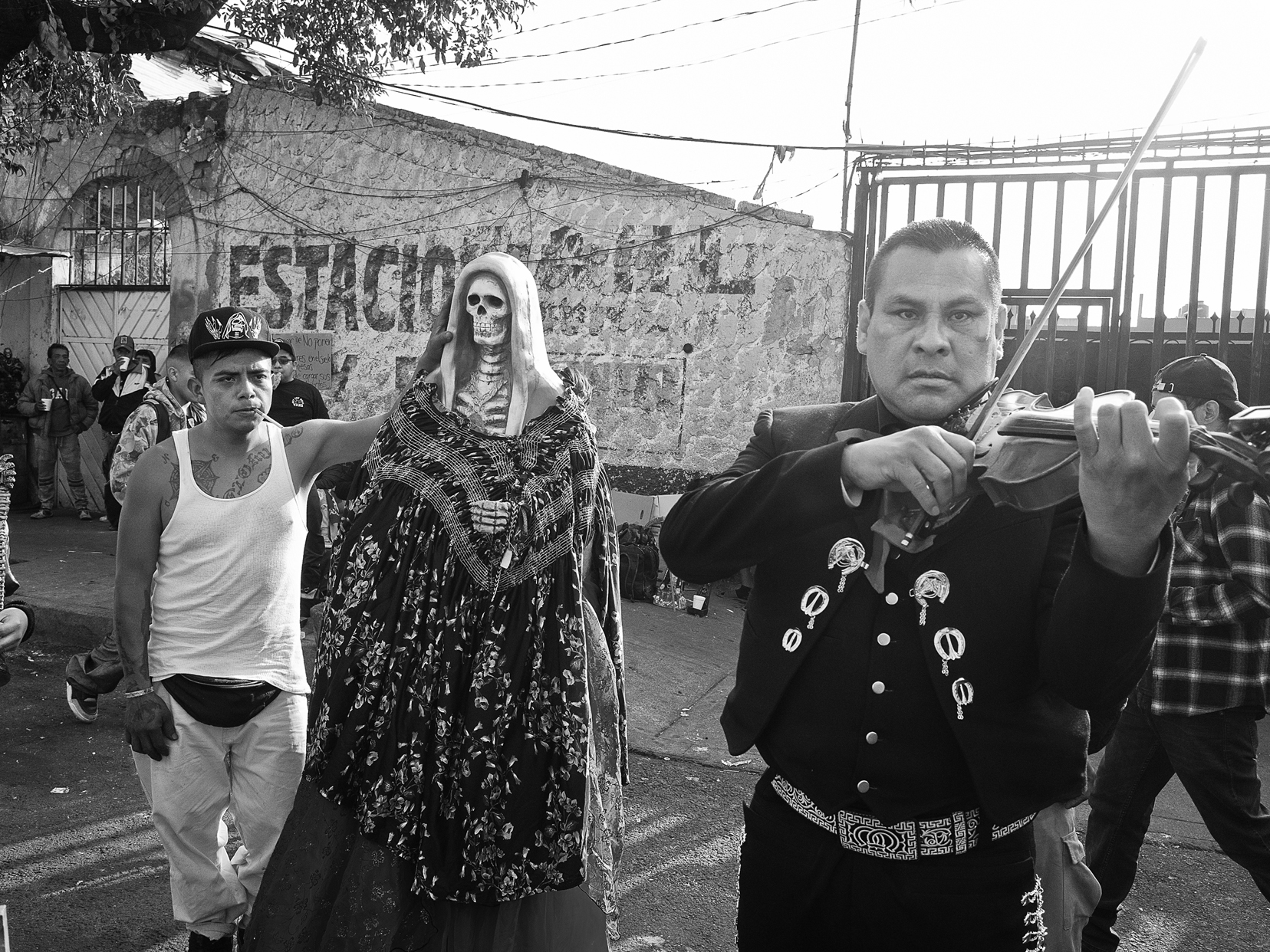
Mexicans are a ritual people, wrote Octavio Paz. Rituals are as important as life itself: without rituals there is no continuity, and life stops. Rituals are part of our identity for Mexicans know well that life is fleeting and, therefore, "no vale nada" (life is worthless). One day we are here and the next we aren't! And just as night isn't necessarily bad, death shouldn't be either. In Mexico people pray to Death because they see it as a continuation to life. From pre-Columbian times, life and death were seen as part of one cycle. And because life is finite we need to take advantage of what we have for everything here is temporary: family, food, rain and sea, music and dance and stars and mezcal. Life is mostly suffering, but with every opportunity that may come, we should enjoy ourselves. That's one reason why we have so many festivities in this country: so that we can escape from everyday's hardship. Our festivities are about eating, drinking, singing, dancing, laughing, shouting and fighting—fighting with ourselves: fighting for and against life. Violence is also ritual, as is food, music, dance, drink, dress, religion... In Mexico life is made up of rituals
About the photographer
Uruk Jozef
Jozef Uruk was born in Mexico but since an early age he grew up in the USA. He returned to Mexico to pursue his Bachelor’s degree in physics but had to abandoned college and never did return to school. At age 22, he returned to the States to look for a job where he worked in a foundry, gardening, cleaning buses and the night-shift sanitation department of a food processing plant. In 2006, with the money that he saved he traveled to Europe for six months and ended up living two months in the South of Morocco and another two months in Basque Country. Back home from his journey, he decided to explore Mexico and Guatemala. This time his travels lasted well over six months. In 2008, one of Jozef’s dreams came true when he moved to Paris. There he taught himself French and photography. Jozef lived for a year and a half with a community of Quechua speaking Ecuadorians in Spain. He also lived for almost a year in Helsinki, Finland before moving to Berlin, where he knew the art scene was most significant, learnt German and developed a critical approach to image making as he evolved into an artist. Jozef lived the Covid19 pandemic in Yerevan, Armenia before returning to Mexico where he is currently working on Un Pueblo Ritual a photo project that explores Mexican identity.
