Gomma Photography Grant 2025
The Taste of Black Residue
Photographer
Andreas Hammer
The Taste of Black Residue
15 Feb, 2026
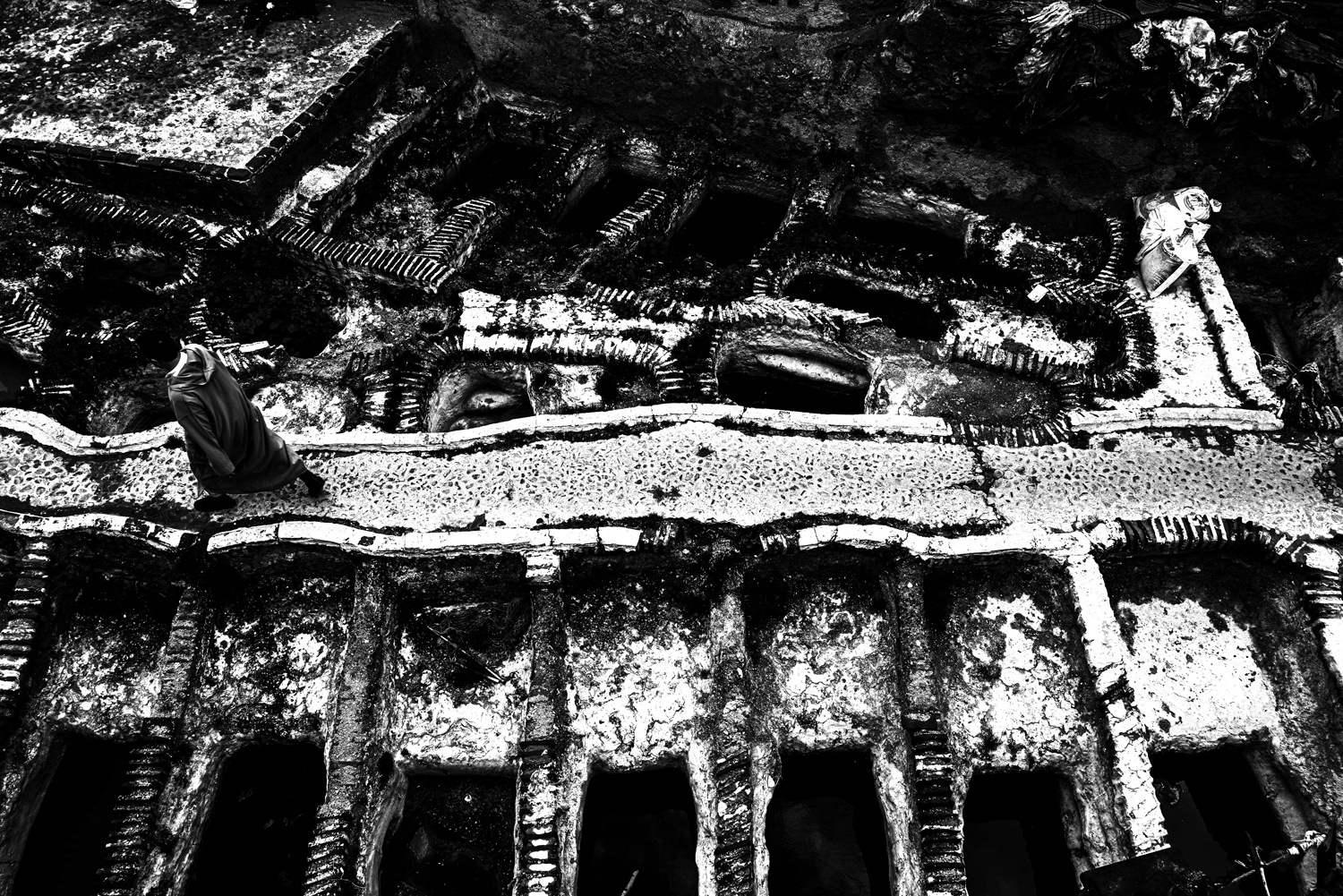
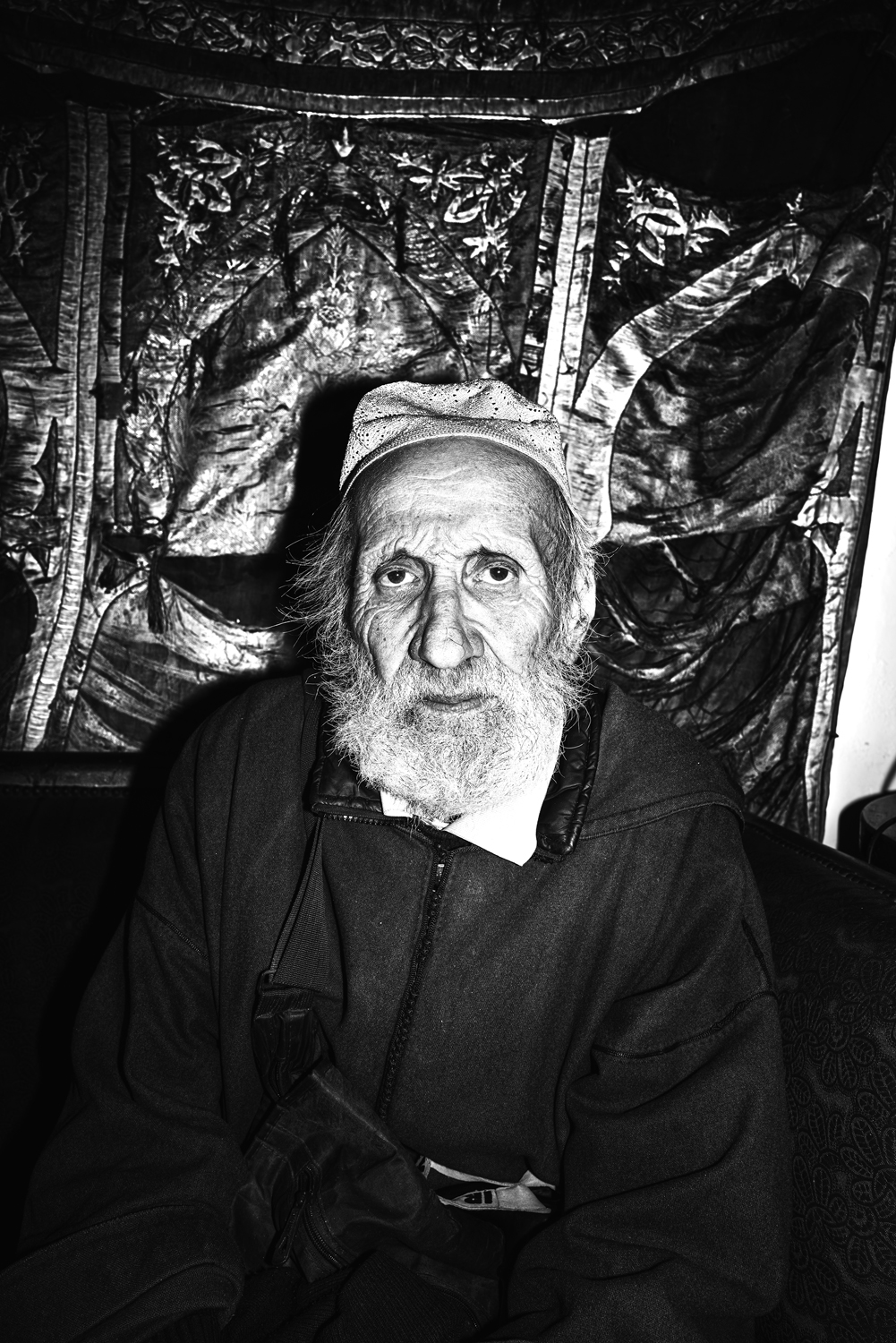
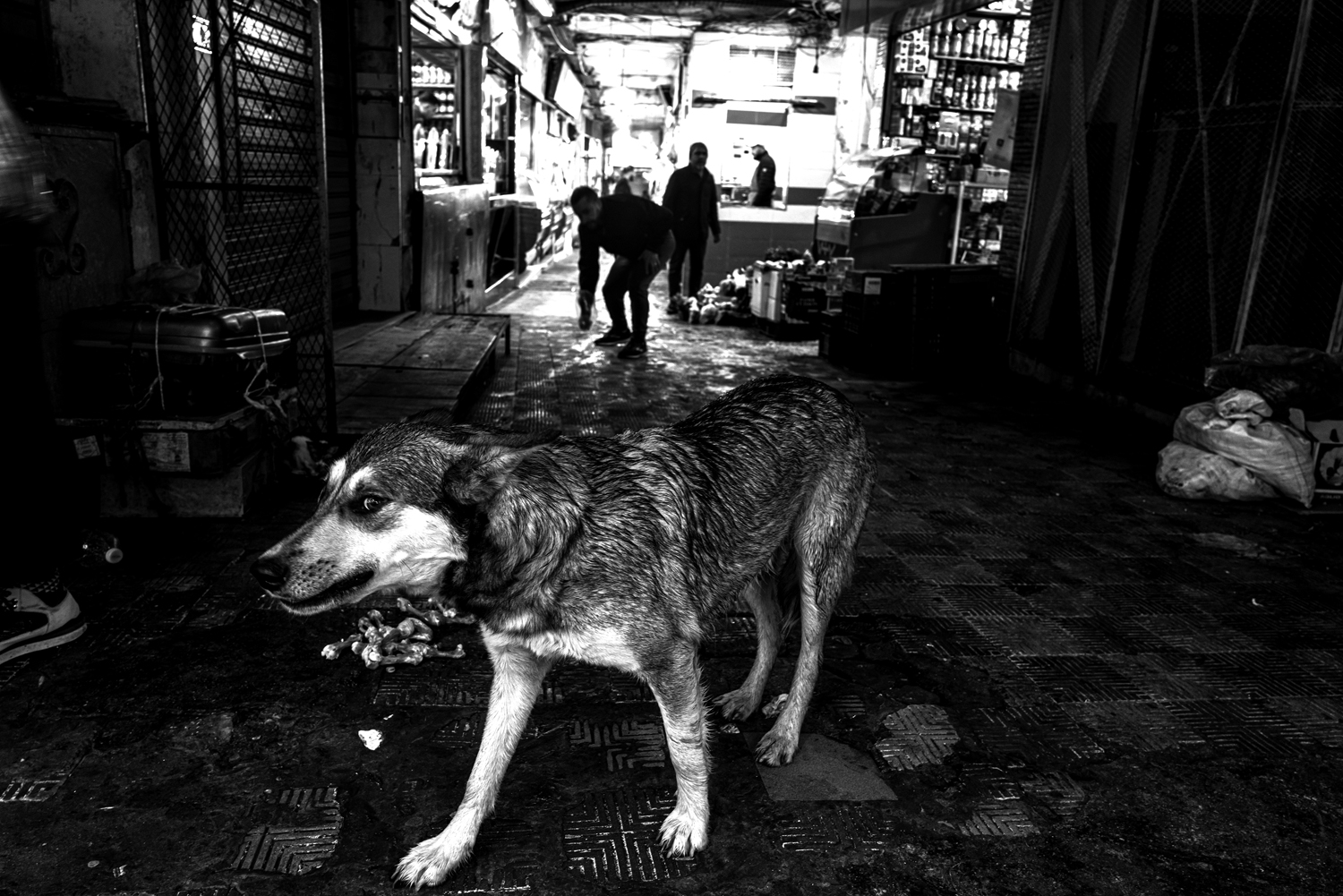
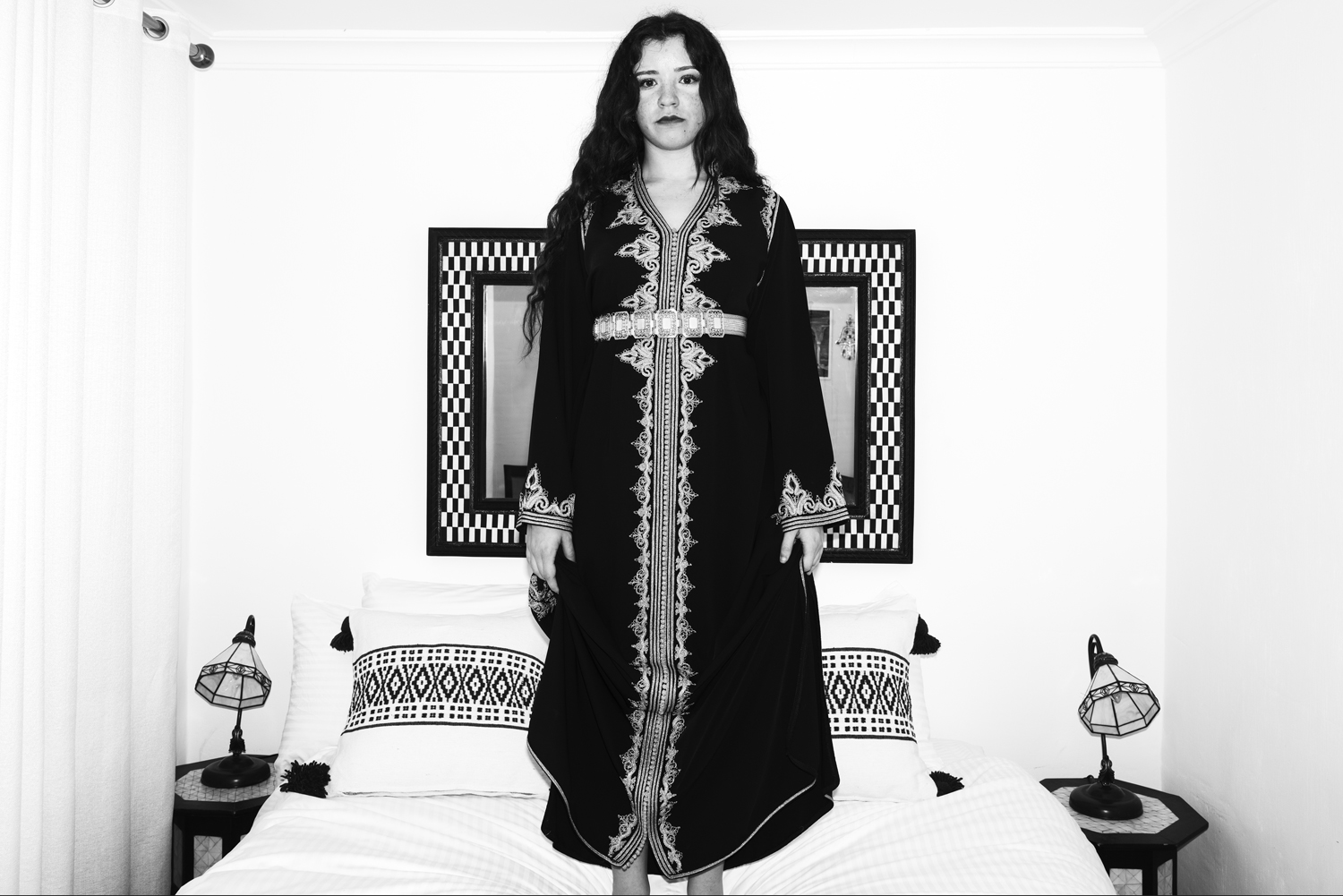
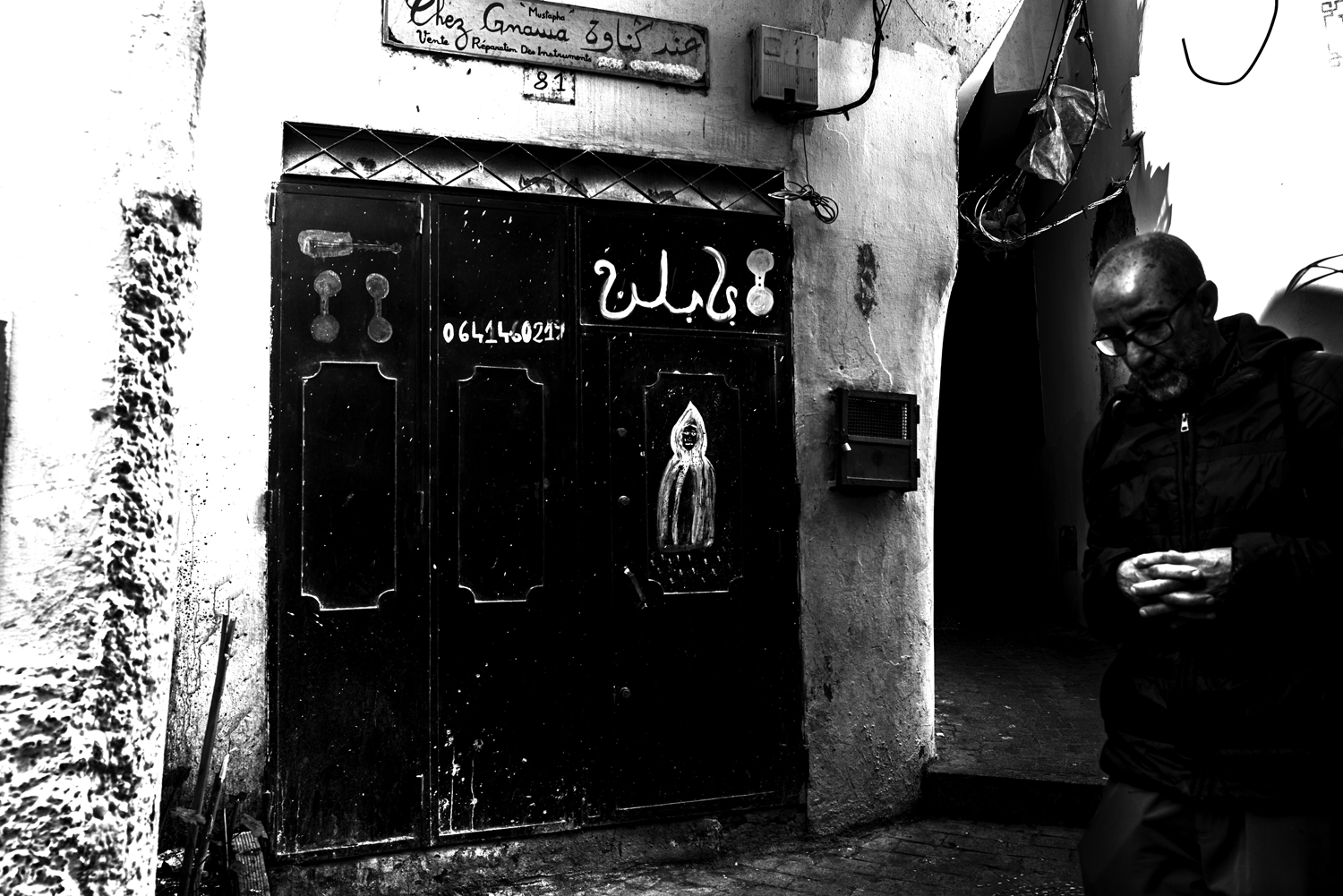
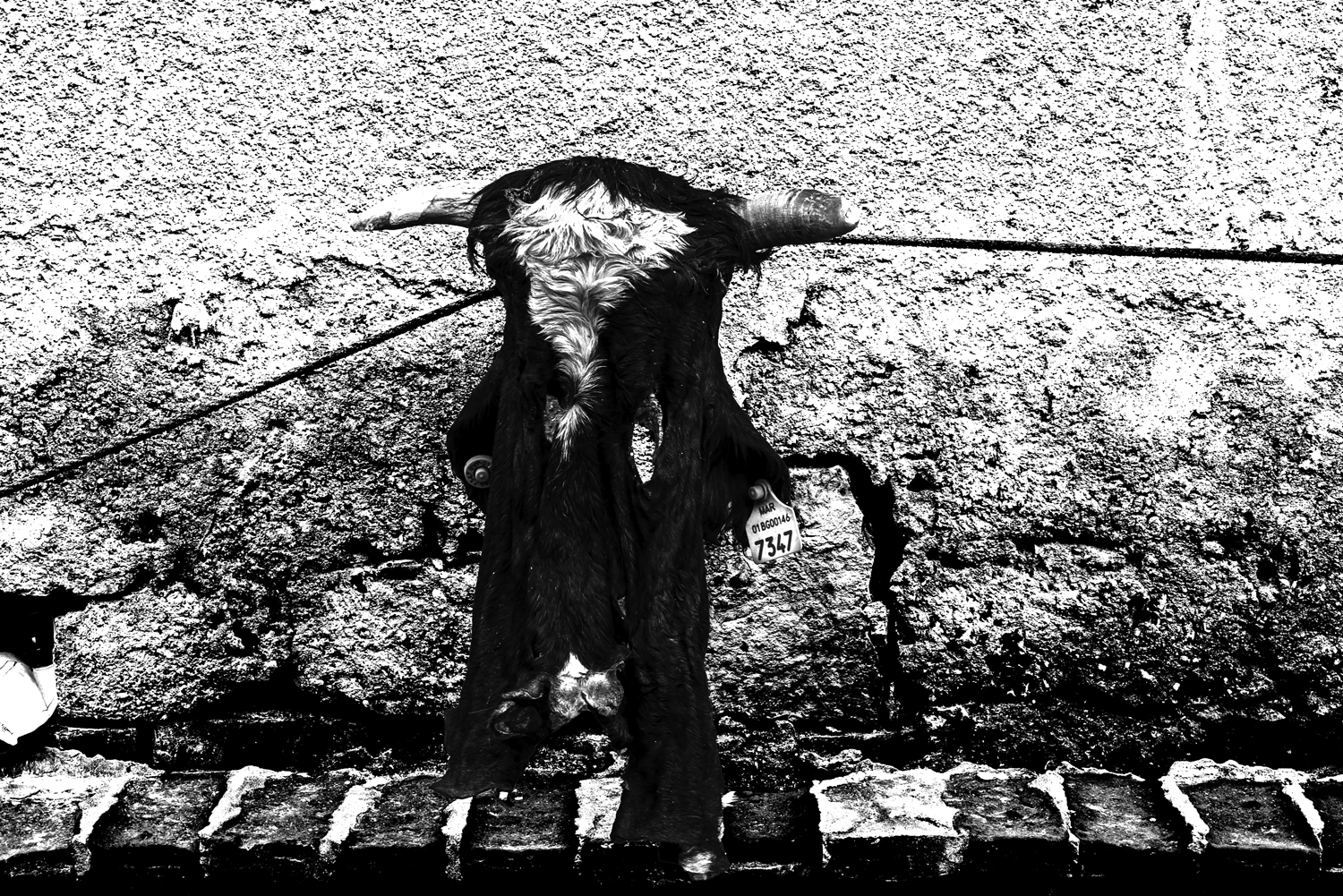
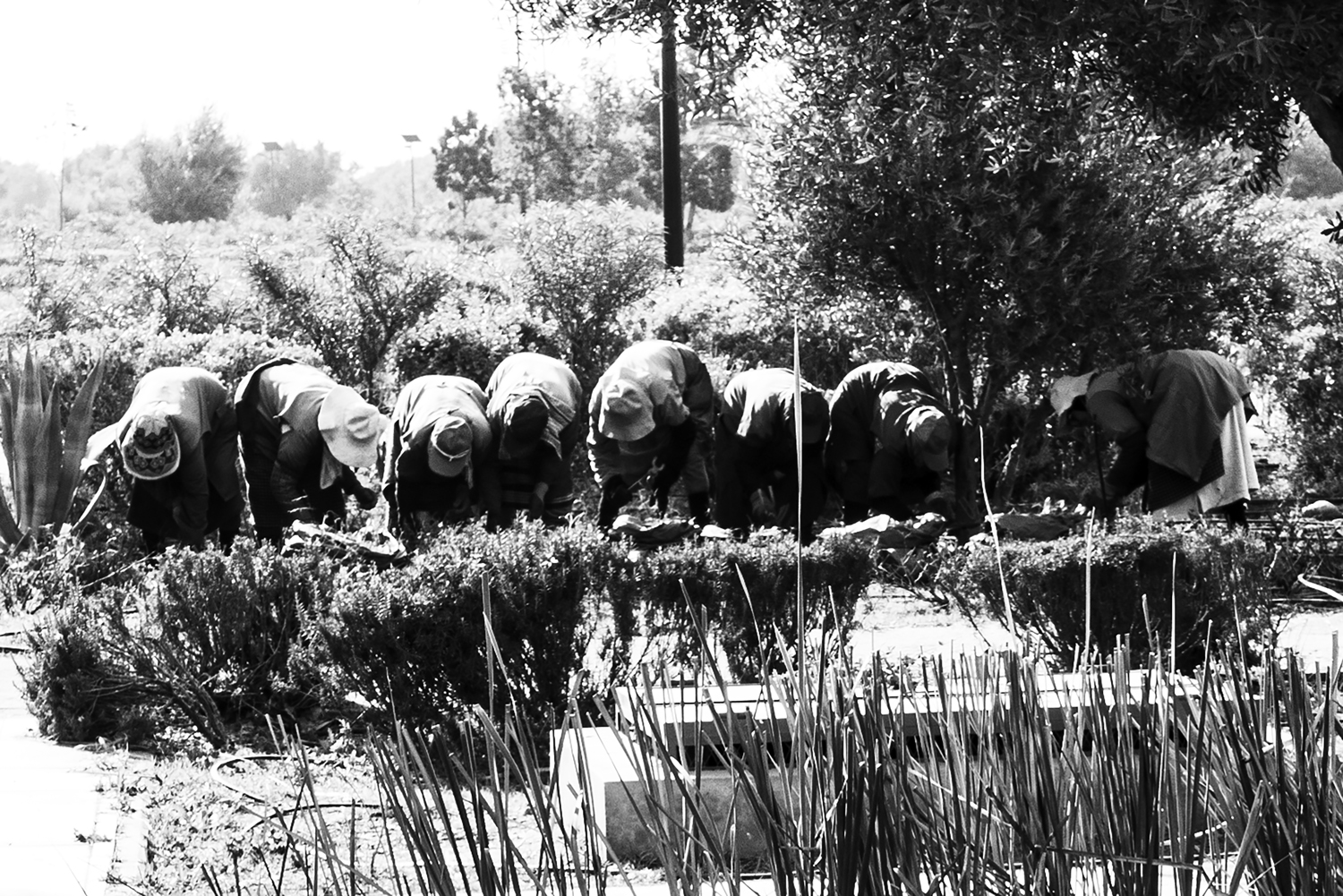
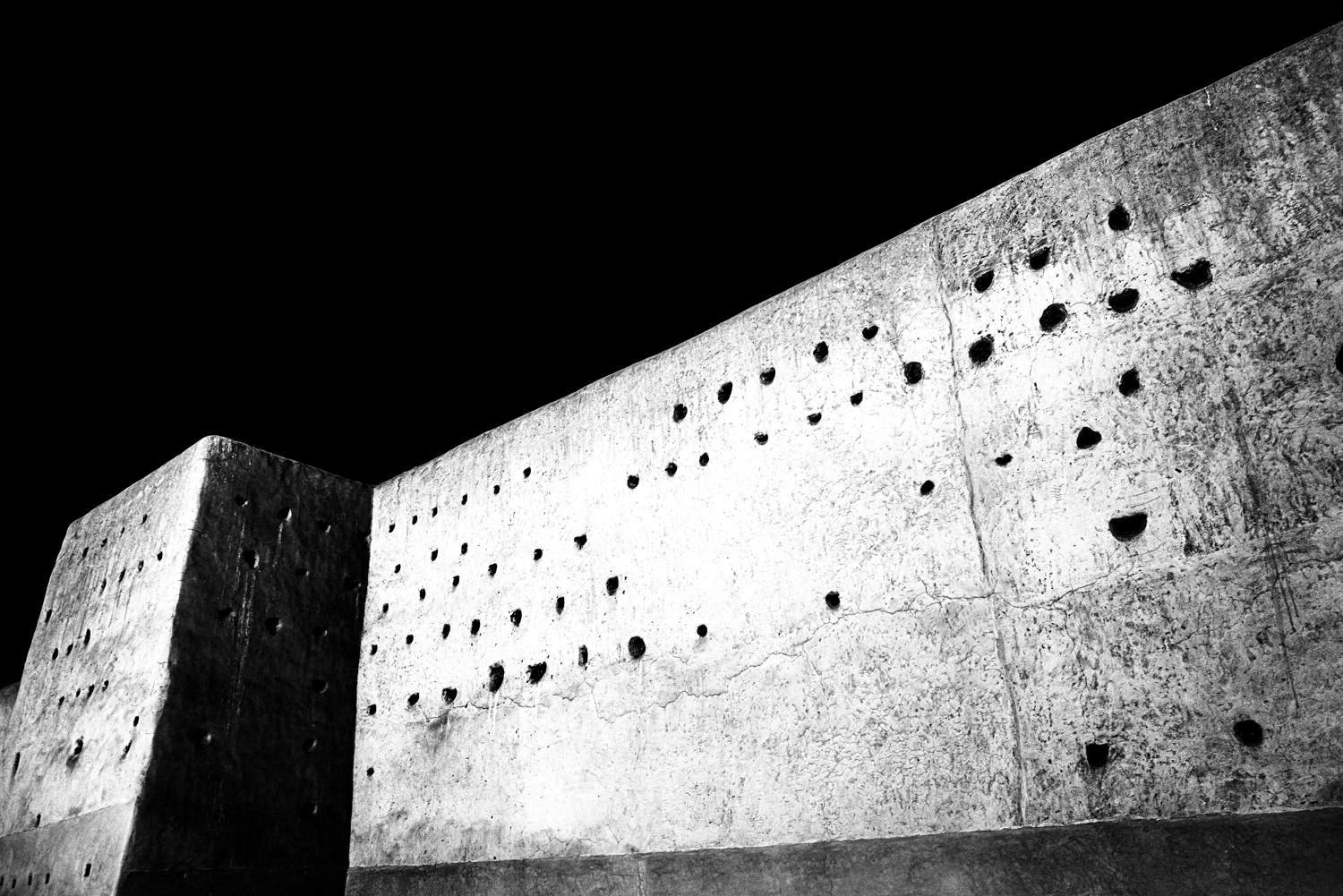
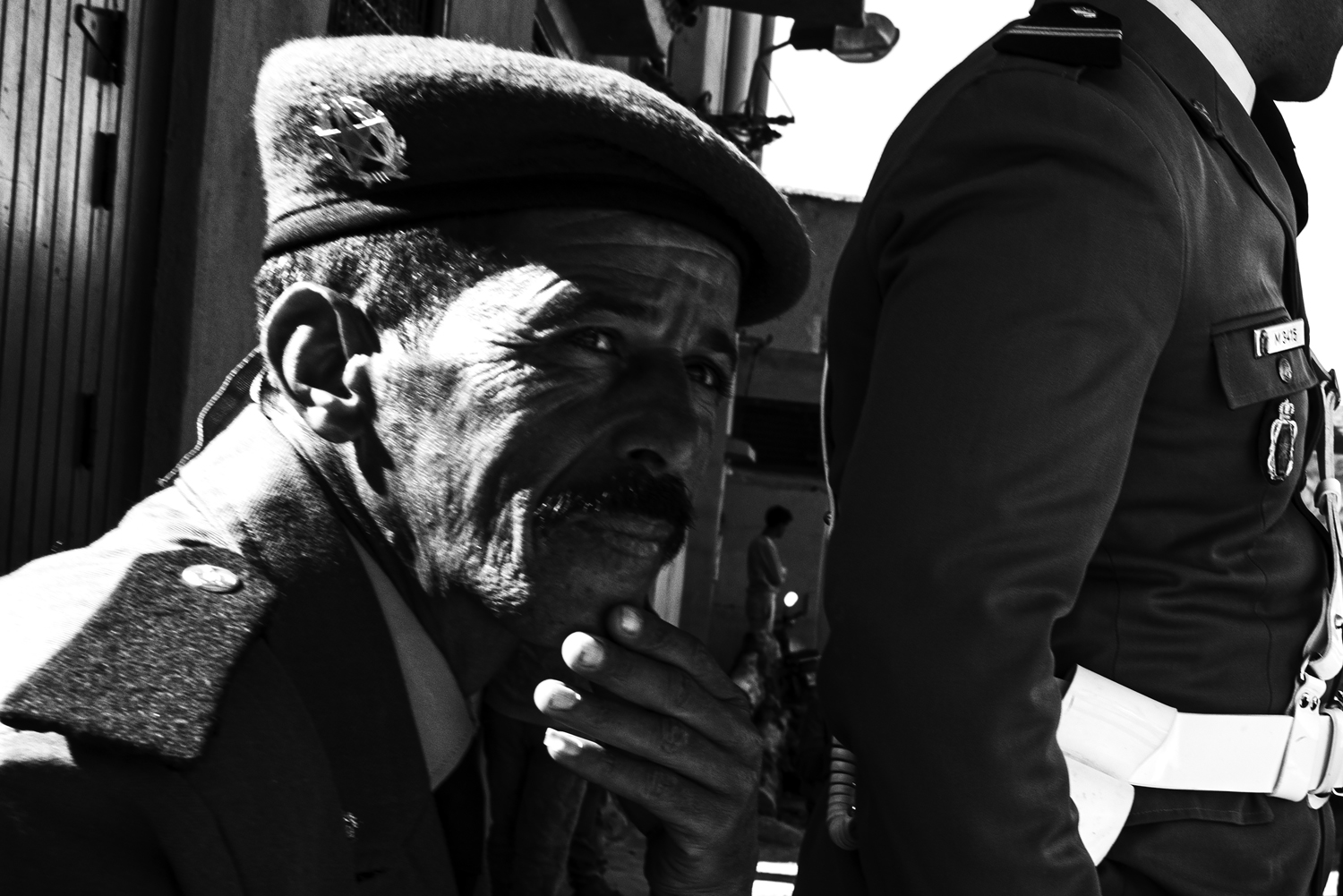
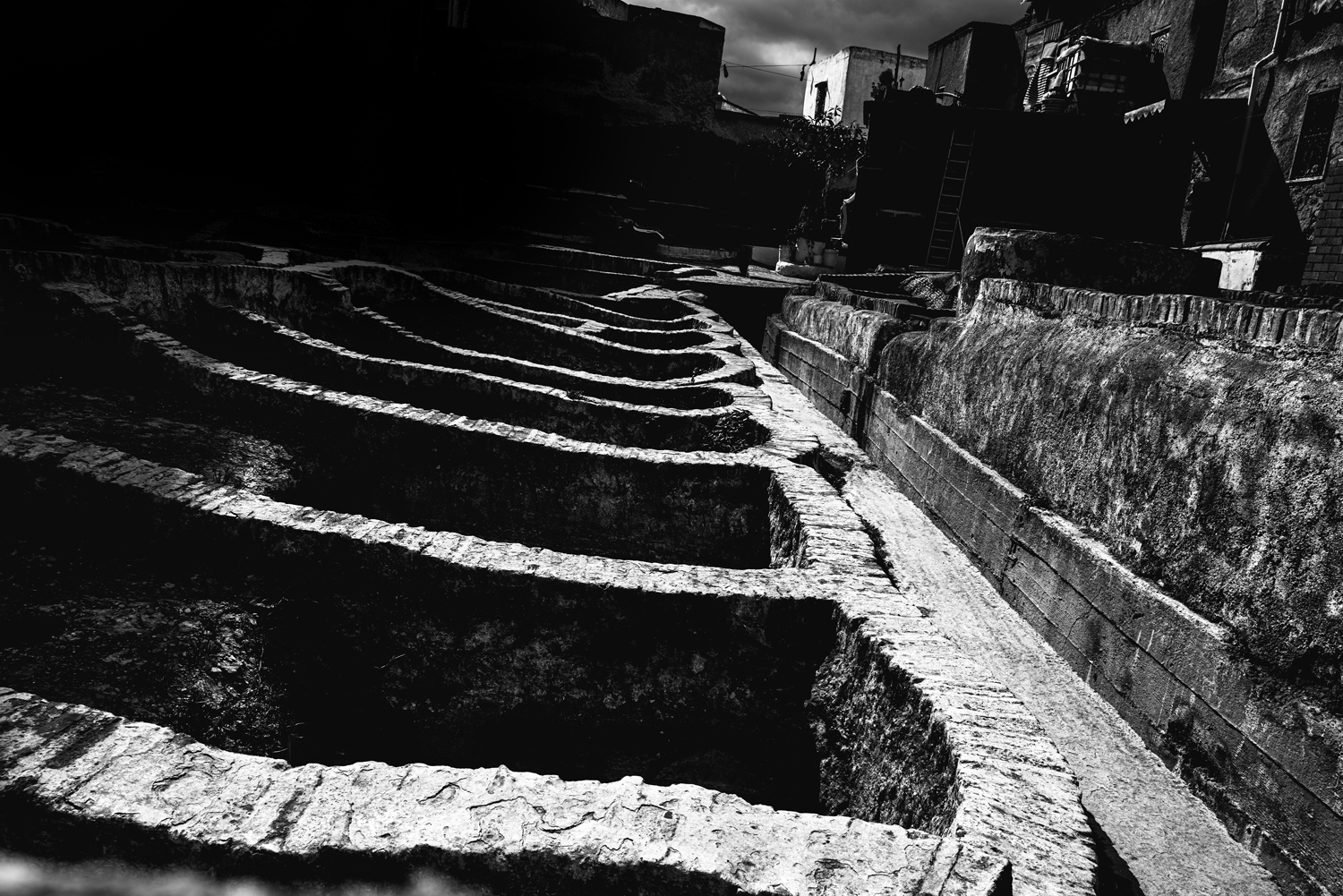
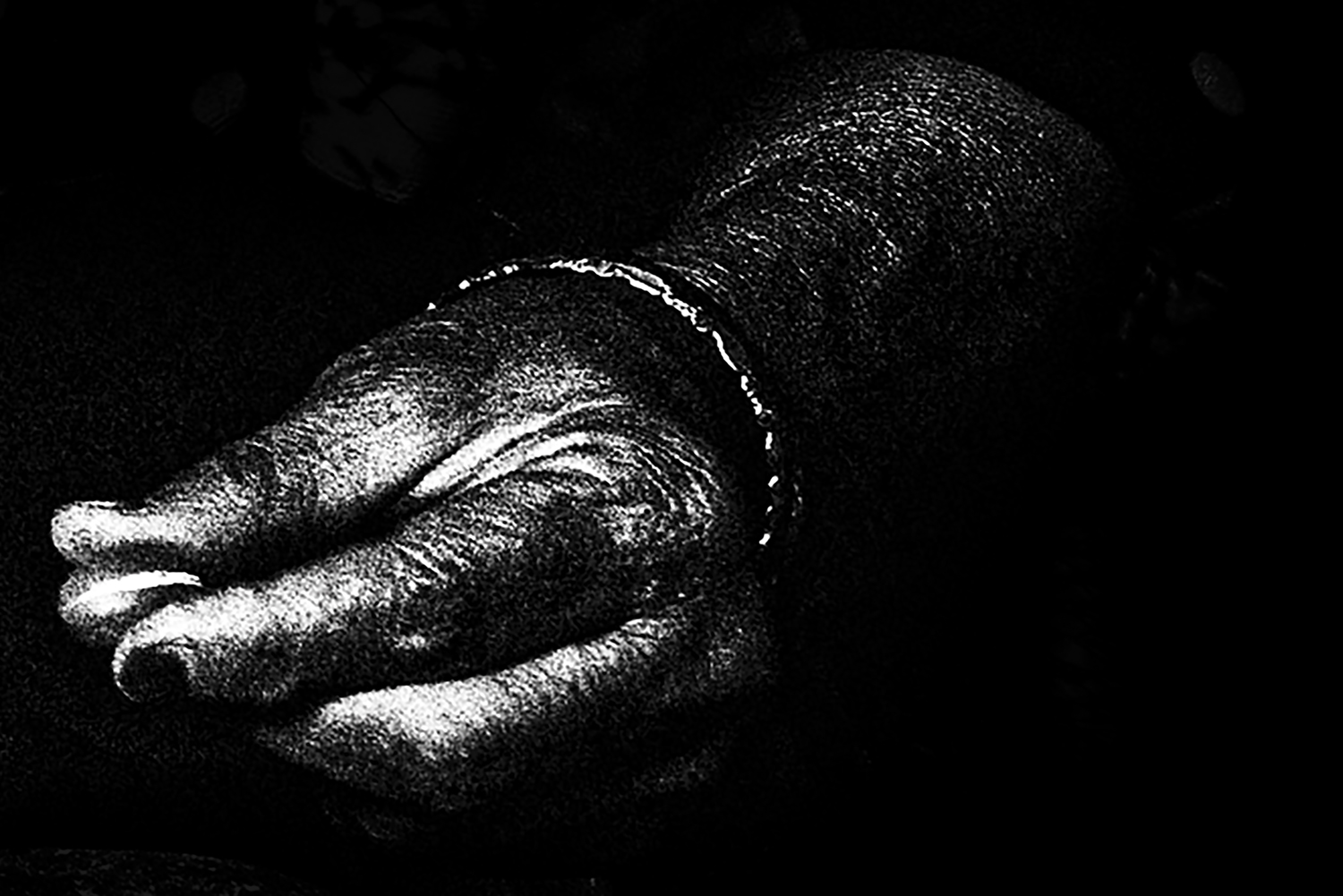
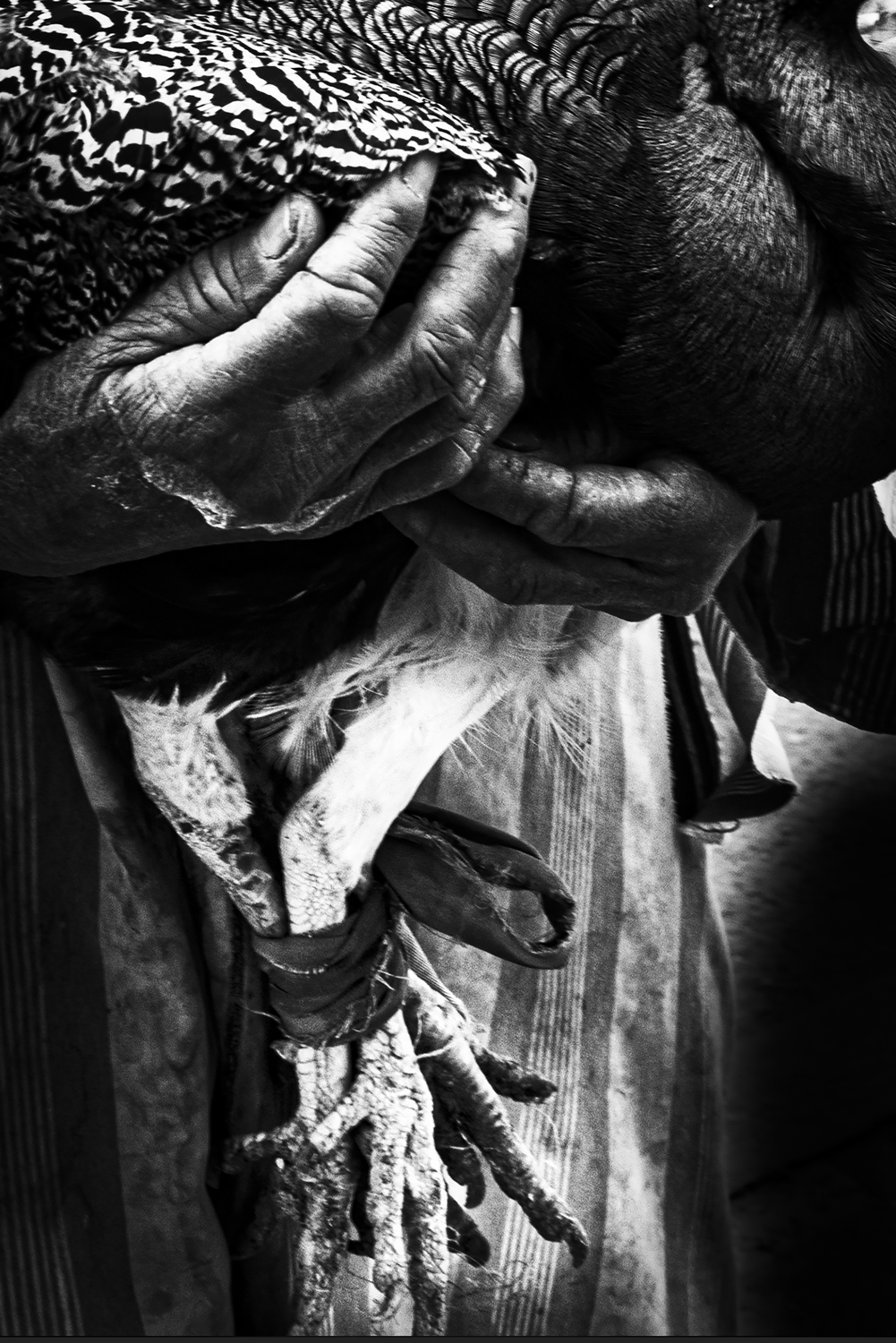
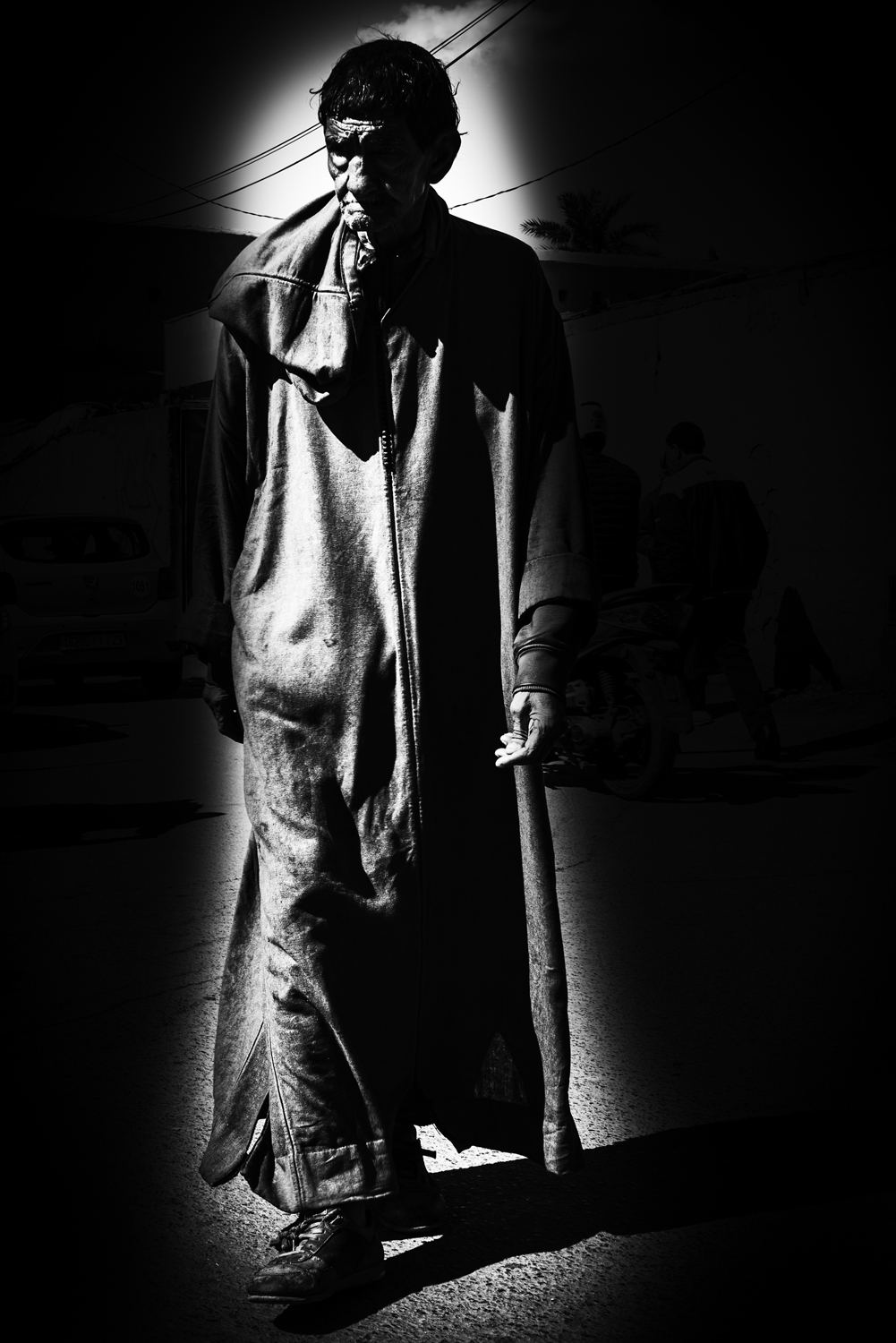
On the walls of Tangier’s Kasbah, salt corrodes colonial stone. In the Rif, the soil still carries traces of mustard gas dropped a century ago. The Taste of Black Residue is a long-form black-and-white psychological documentary that traces how post-conflict endures across Morocco—a conduit between Europe, Africa, and the Middle East, territories historically bound by colonization.Nearly two decades after my deployment to the Middle East, I returned to a landscape not marked by visible war. Although Morocco is rarely described as post-conflict, it bears the enduring imprint of French, Portuguese, and Spanish rule. This work challenges conventional war photography by turning away from active combat and toward its aftermath. It is not the gaze of an outside witness, but of someone who once participated and now returns to observe.From the harbour walls of Tangier to Marrakech’s colonial boulevards, from the desert plateaus of Agafay to the tanneries of Tétouan, these locations form a cartography of colonial legacy. In each place, the residue of conflict manifests differently: in the gesture of a woman holding an orange at the meeting point of two seas, in a leaning cross embedded in a cemetery wall, in soldiers stationed at the gates of Aït Benhaddou. Together, these fragments create a network—geographical, thematic, and relational—through which the afterlife of conflict becomes visible.
About the photographer
Andreas Hammer
« I work at the intersection of memory and war.The photographs I present stem from fieldwork in Morocco. The Taste of Black Residue (formerly Between Wars) began as a response to my experience as a soldier injured by a triple roadside bomb during deployment in Iraq in 2005. War rarely ends. What appears to be aftermath is often only a prelude.This work does not depict active combat. It is grounded in the measurable reality that structural violence persists and repeats — Gaza, Sudan, Ukraine — while the psychological residue of war frequently remains unaddressed. The project stays close to the ways war survives long after it is officially declared over.Rooted in a classical documentary tradition, my practice examines the psychological landscapes of post-conflict environments and the transnational afterlives of violence. This is particularly evident in North Africa, where histories of war and colonization remain insufficiently documented. My approach reflects a sustained commitment to humanistic observation. »
