Gomma Photography Grant 2025
The nail that sticks out gets hammered down
Photographer
Filippo Venturi
The nail that sticks out gets hammered down
14 Feb, 2026
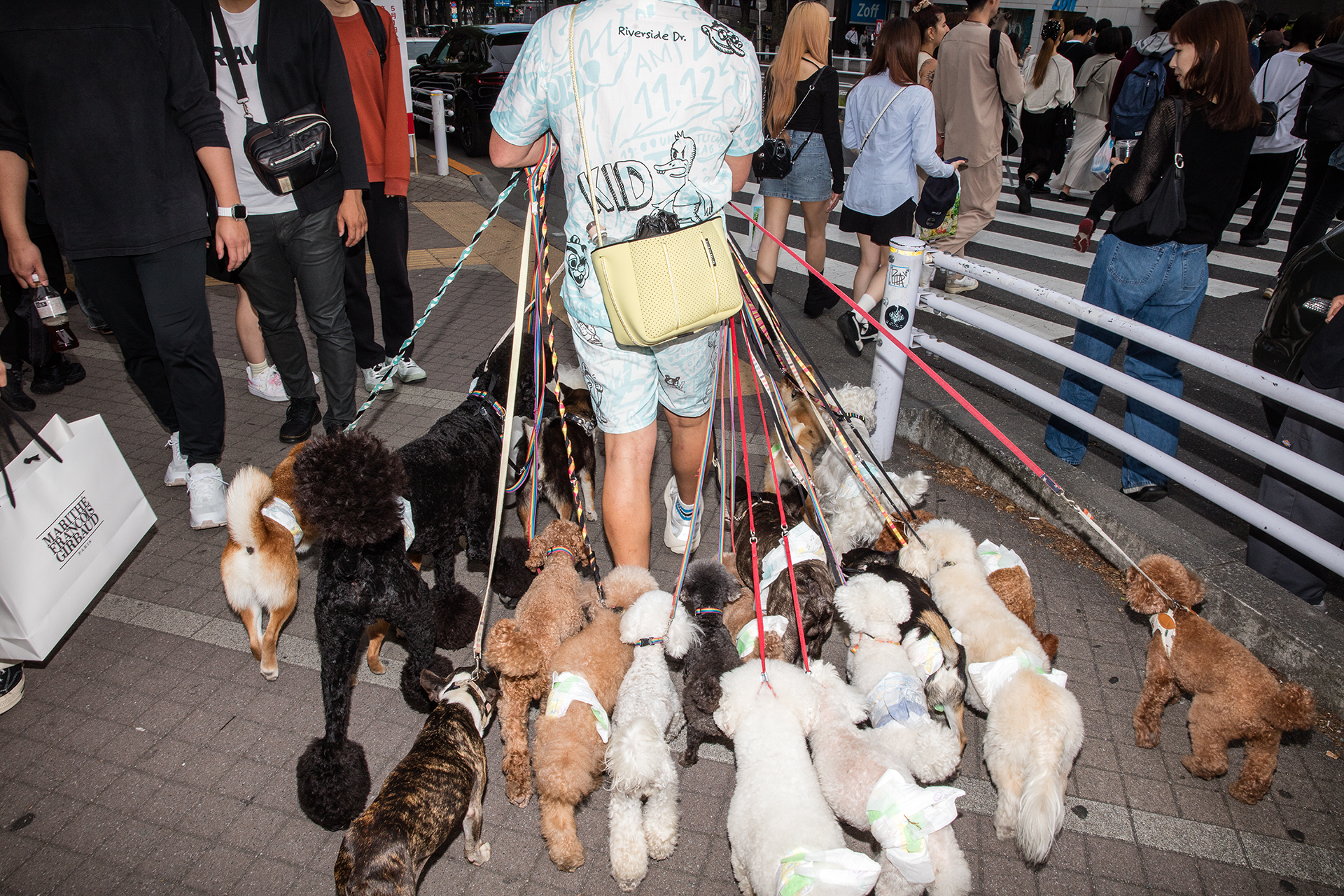
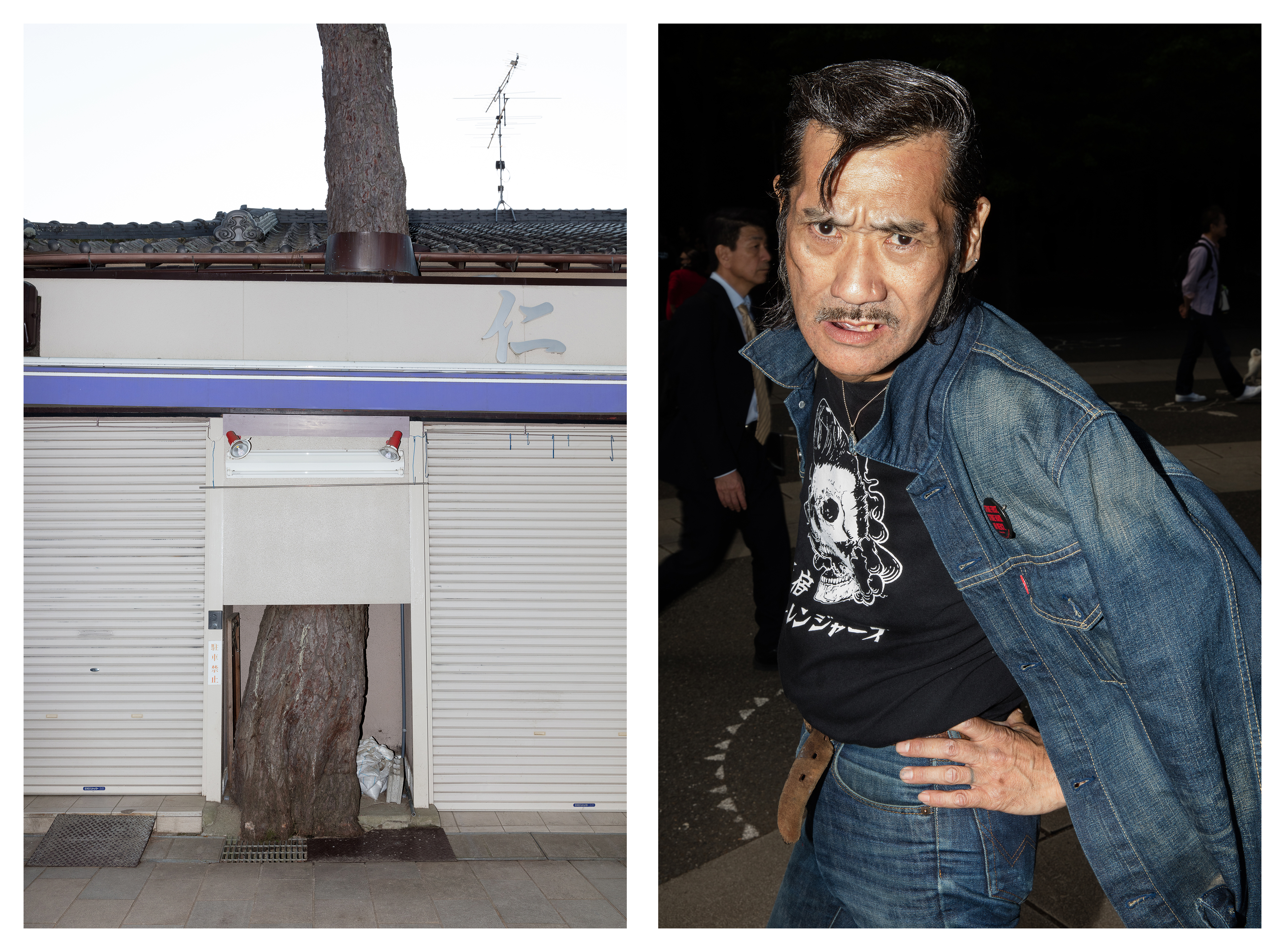
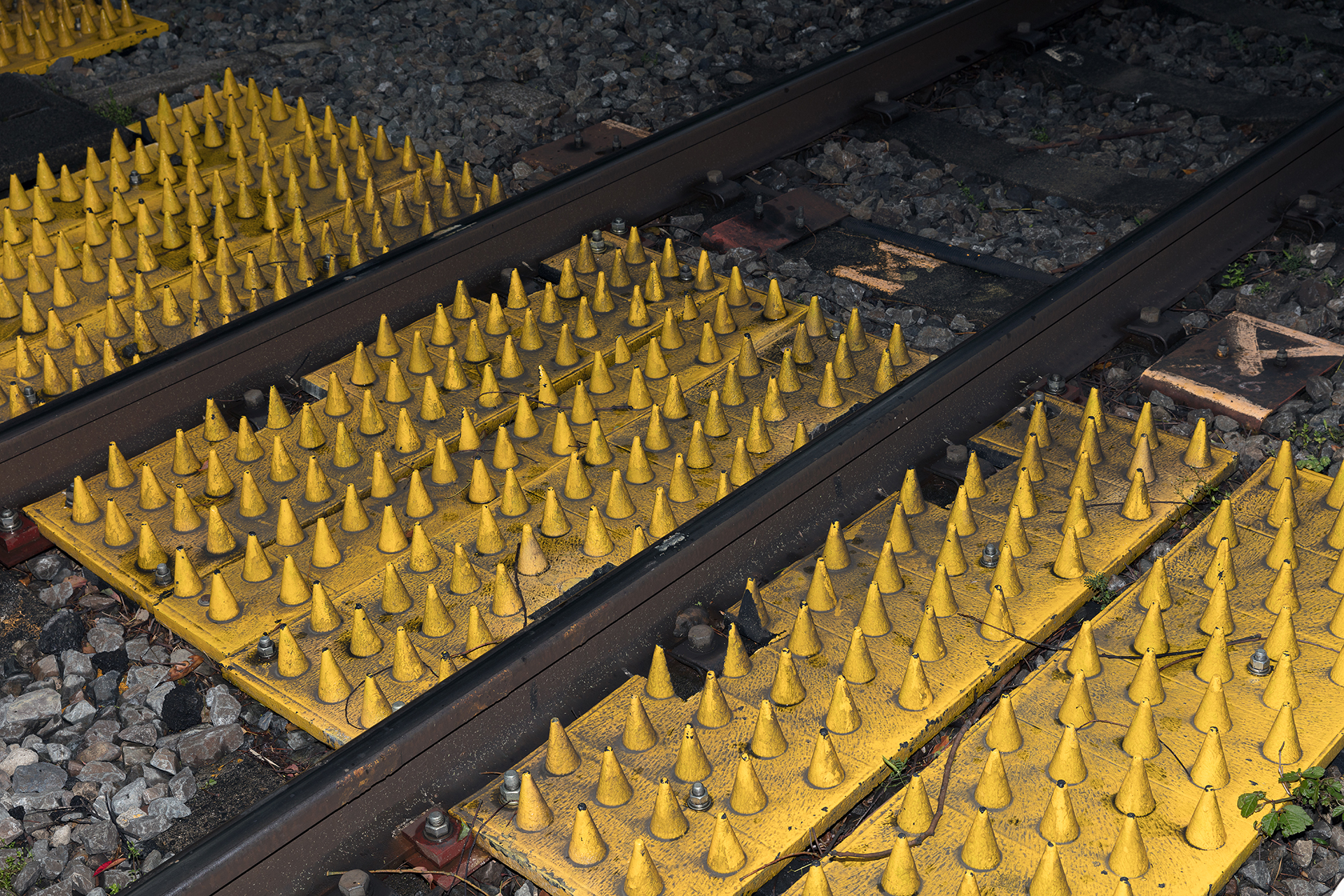
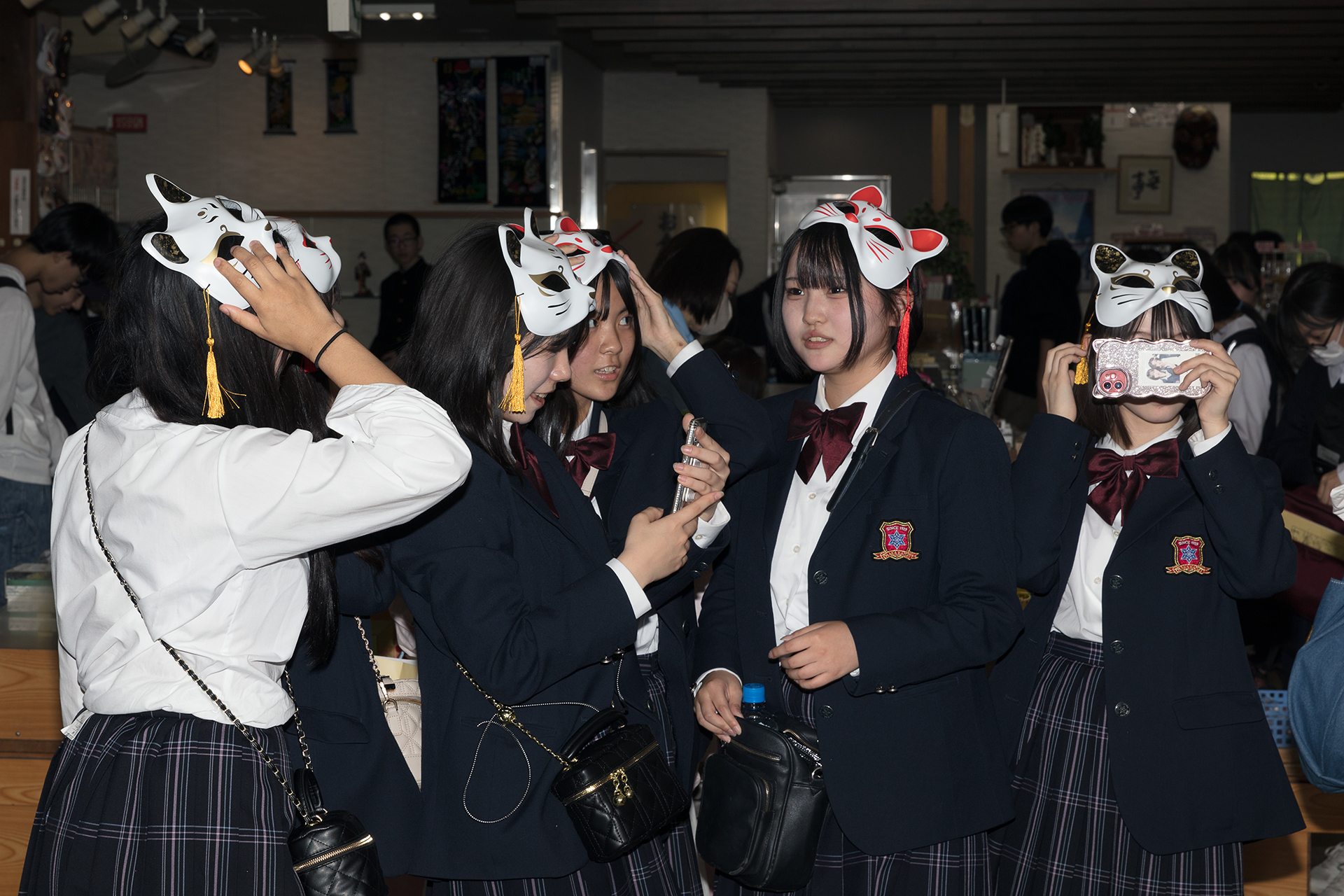
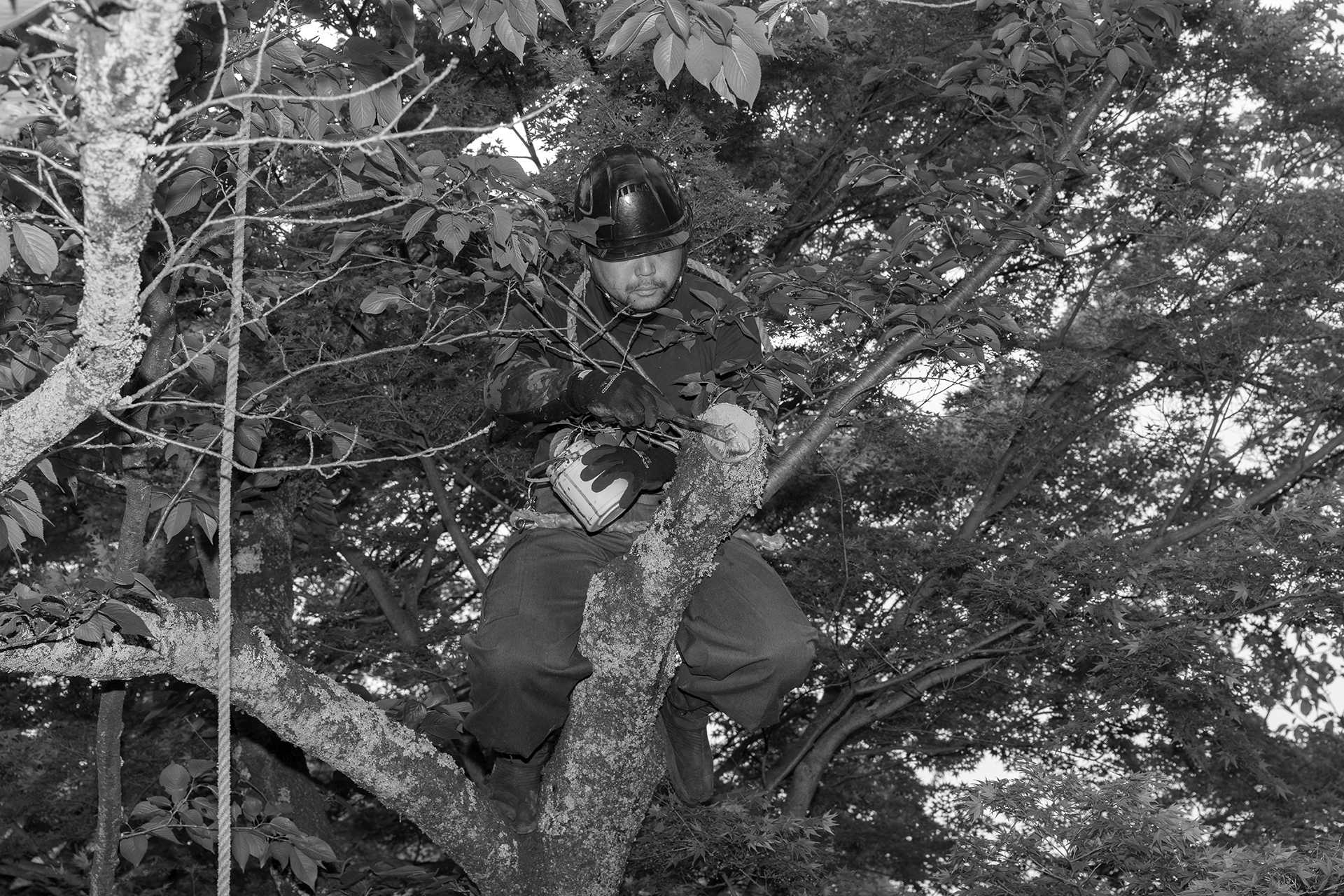
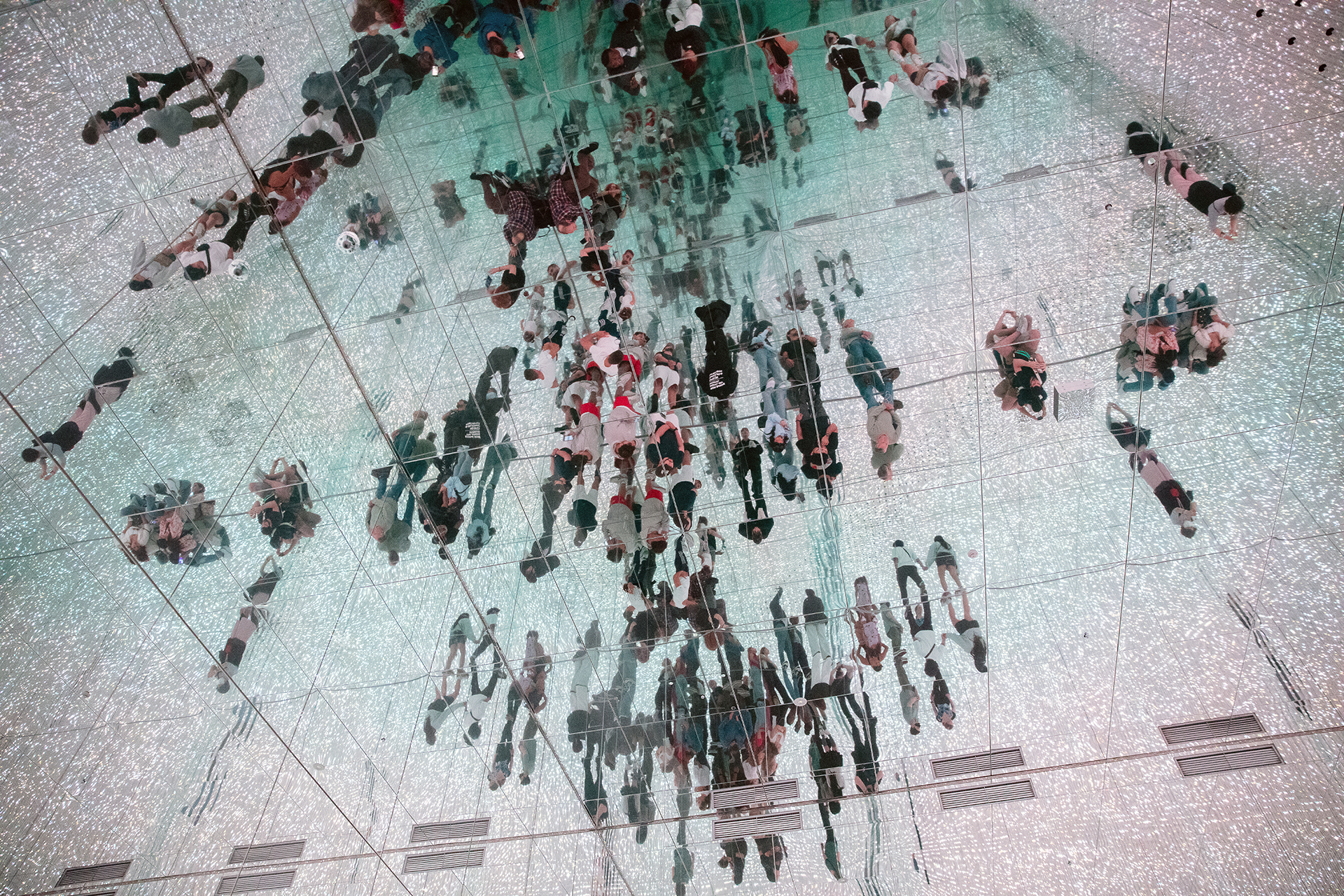
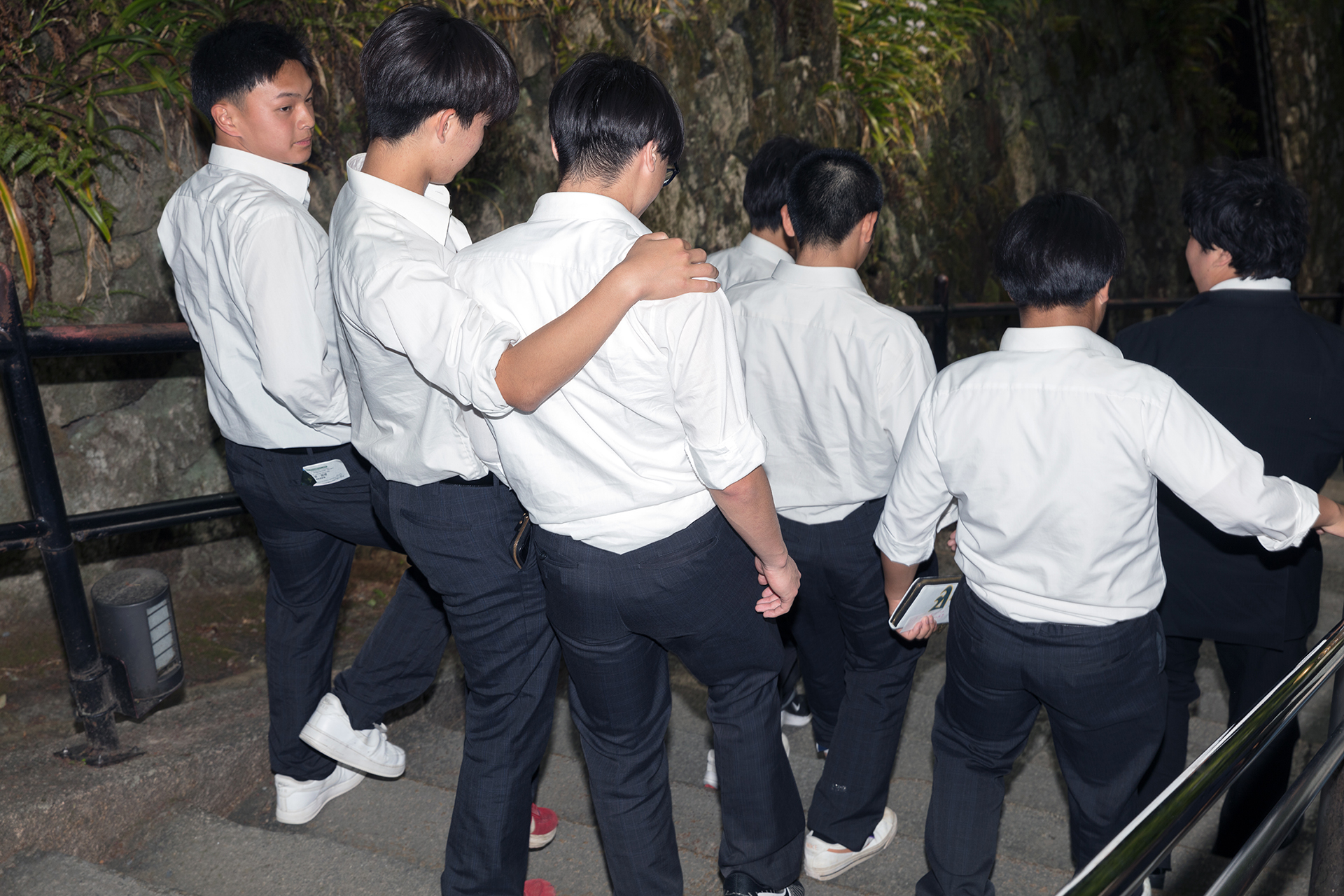
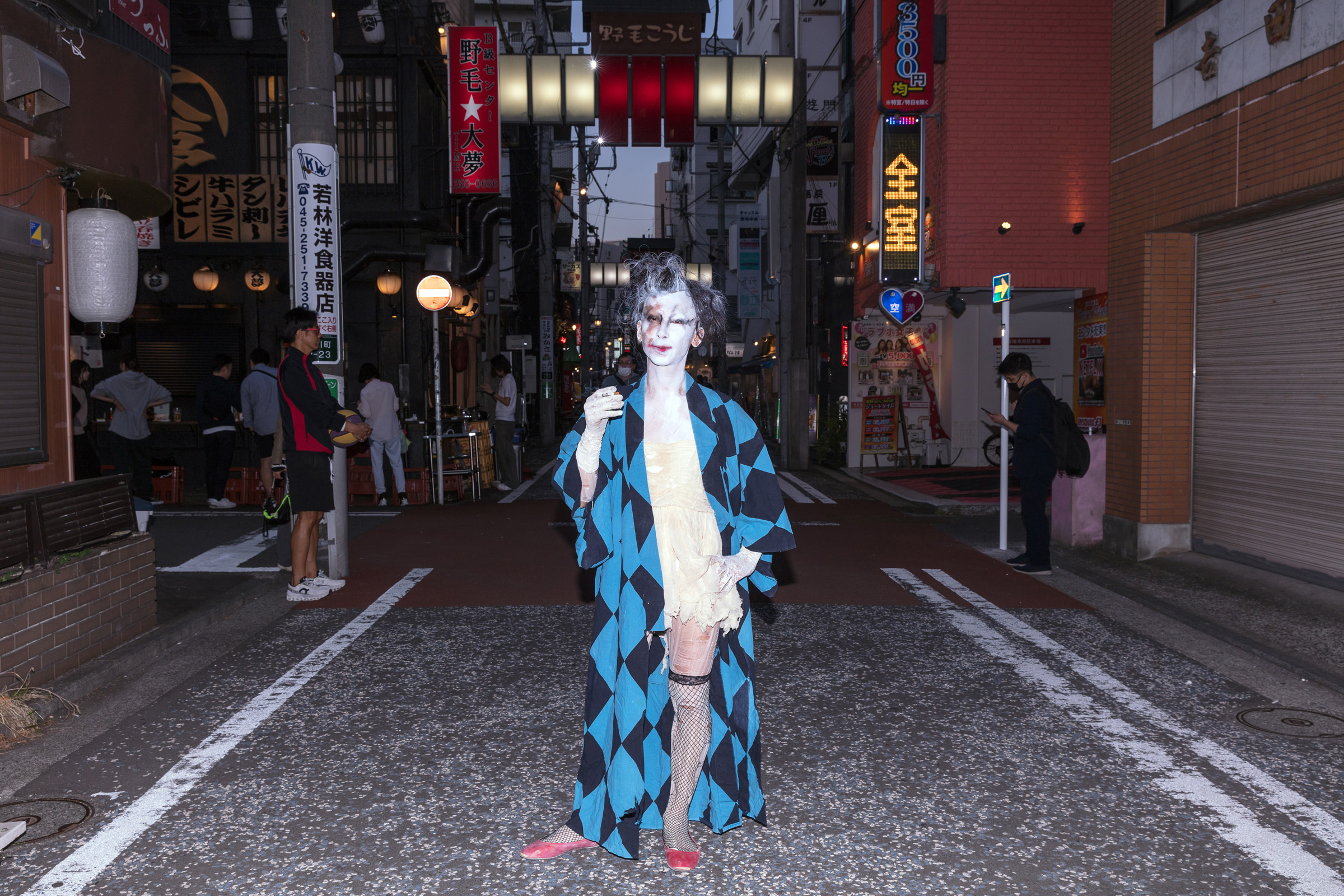
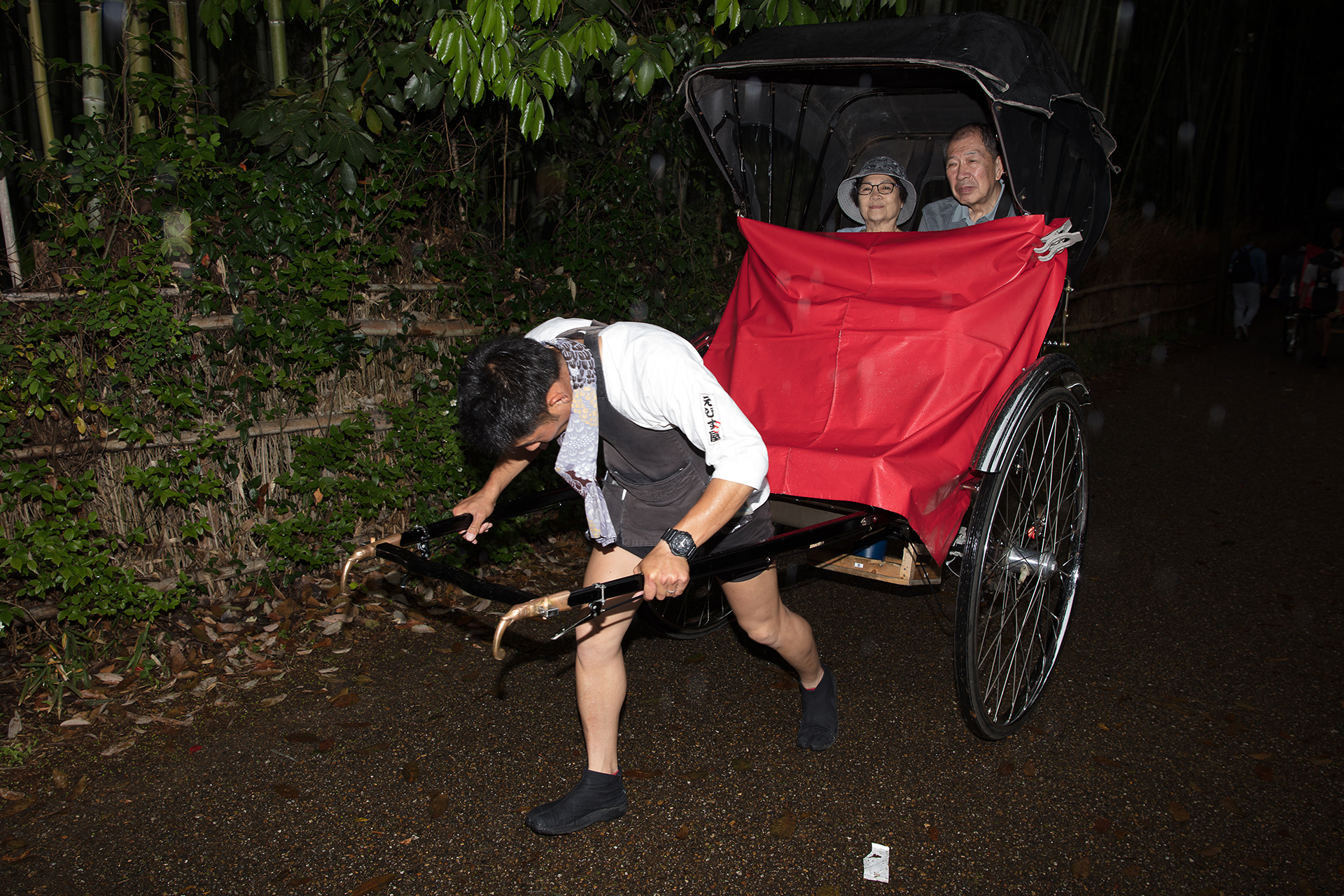
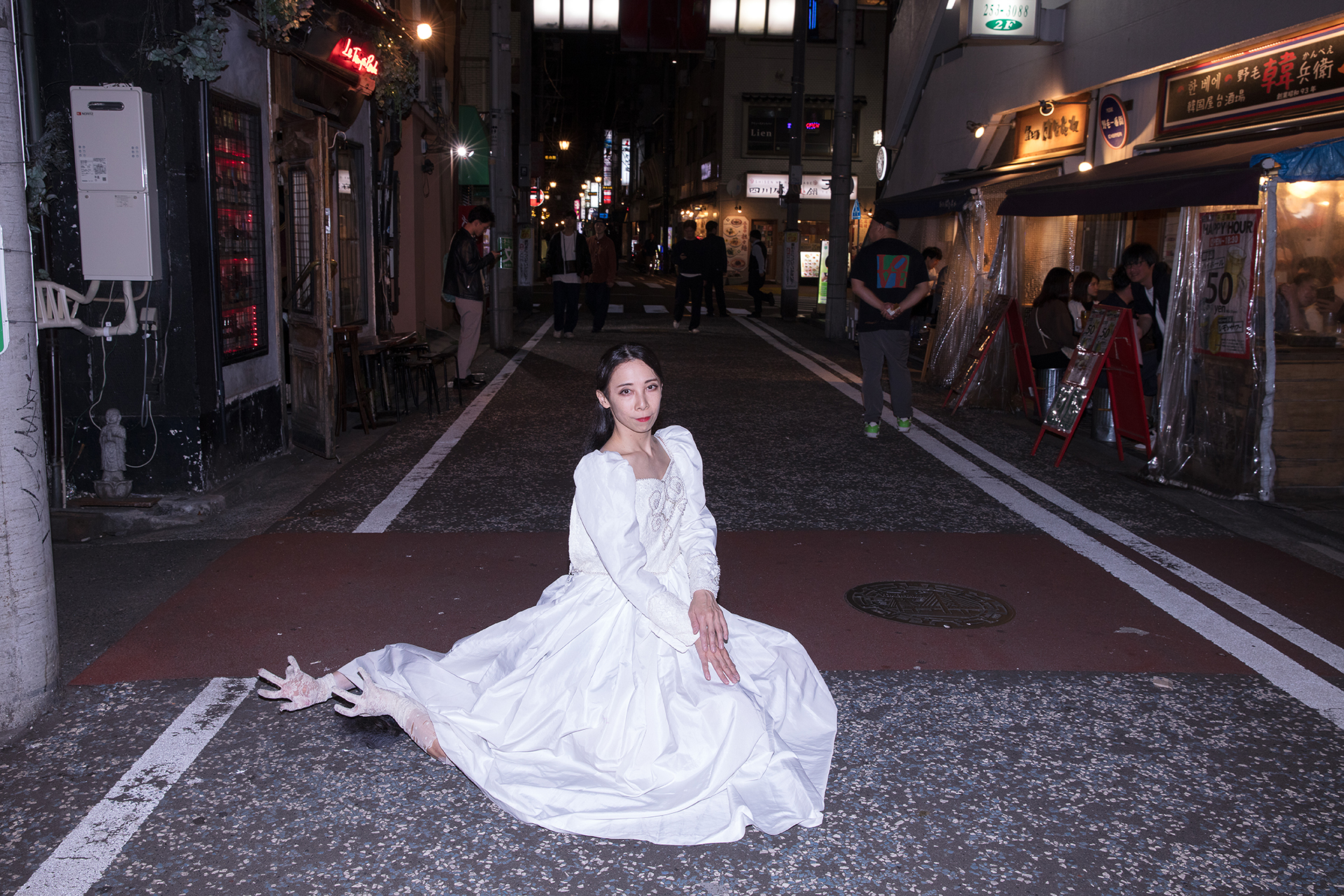
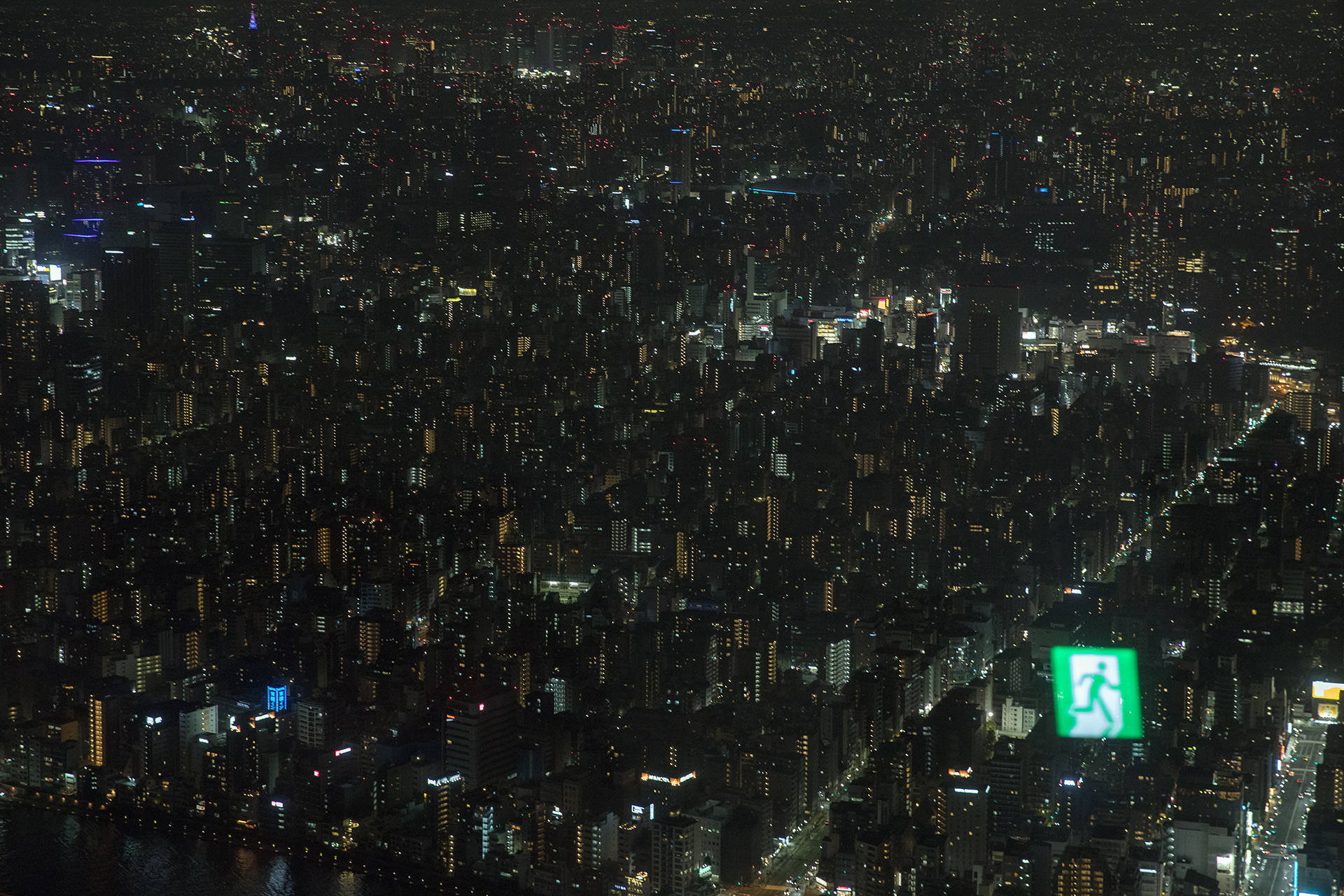
Japan is a country where tradition and innovation coexist harmoniously, yet behind this apparent balance lie latent tensions. A society founded on respect, harmony, and conformity can generate oppressive pressures, which manifest in extreme phenomena such as a high suicide rate, karoshi (death by overwork), and johatsu (voluntary disappearance). These tensions are also rooted in the collective trauma of the atomic bombings of 1945 — the 80th anniversary of which falls this year — which left an indelible mark on the nation's memory and imagination. In response to these wounds, forms of artistic expression have emerged that give voice to the invisible and the unspeakable. Among them, Butoh dance, born in the late 1950s, stands as a radical gesture of aesthetic and spiritual rebellion. Through painted bodies, grotesque movements, and an aesthetic of distortion, Butoh stages pain, metamorphosis, and the individual's resistance in the face of modern society’s alienation.
About the photographer
Filippo Venturi
Filippo Venturi is an Italian documentary photographer. He produces personal projects concerning identity and the human condition. His works have been published in leading international magazines, such as The Washington Post, The Guardian, Financial Times, Vanity Fair, Marie Claire, Newsweek, Geo, Der Spiegel, Die Zeit, Stern, Das Magazin, Internazionale, La Repubblica, Il Corriere della Sera and La Stampa. For the past years he has been engaged in a project on the Korean peninsula, earning him the Sony World Photography award, the LensCulture Emerging Talent Award, the Il Reportage Award, the Voglino Award and the Portfolio Italia – Grand Prix Hasselblad. His works have been exhibited in Italy and abroad in exhibition spaces and festivals like Foro Boario in Modena as "New Talent" of the Modena Photography Foundation, MACRO - Museum of Contemporary Art in Rome, Somerset House in London, U Space in Beijing, Willy Brandt Haus in Berlin, Sony Square in New York City, Copenhagen Photo Festival, Voies Off Awards at Les Rencontres d'Arles, Photolux in Lucca, SI Fest in Savignano sul Rubicone, Riaperture Photofestival in Ferrara, PhMuseum Days Photo Festival in Bologna and Festival of Ethical Photography in Lodi.
8783.jpg)