Gomma Photography Grant 2025
Tania, the trans woman who defied Franco’s dictatorship.
Photographer
Luca Gaetano
Tania, the trans woman who defied Franco’s dictatorship.
14 Feb, 2026
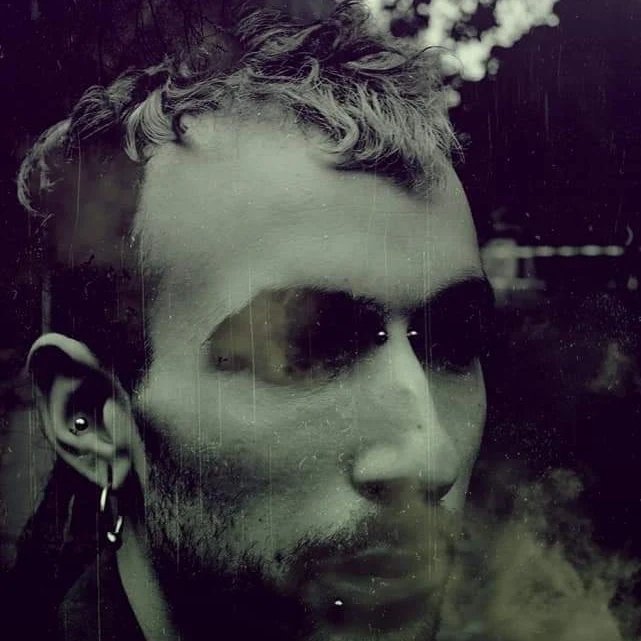
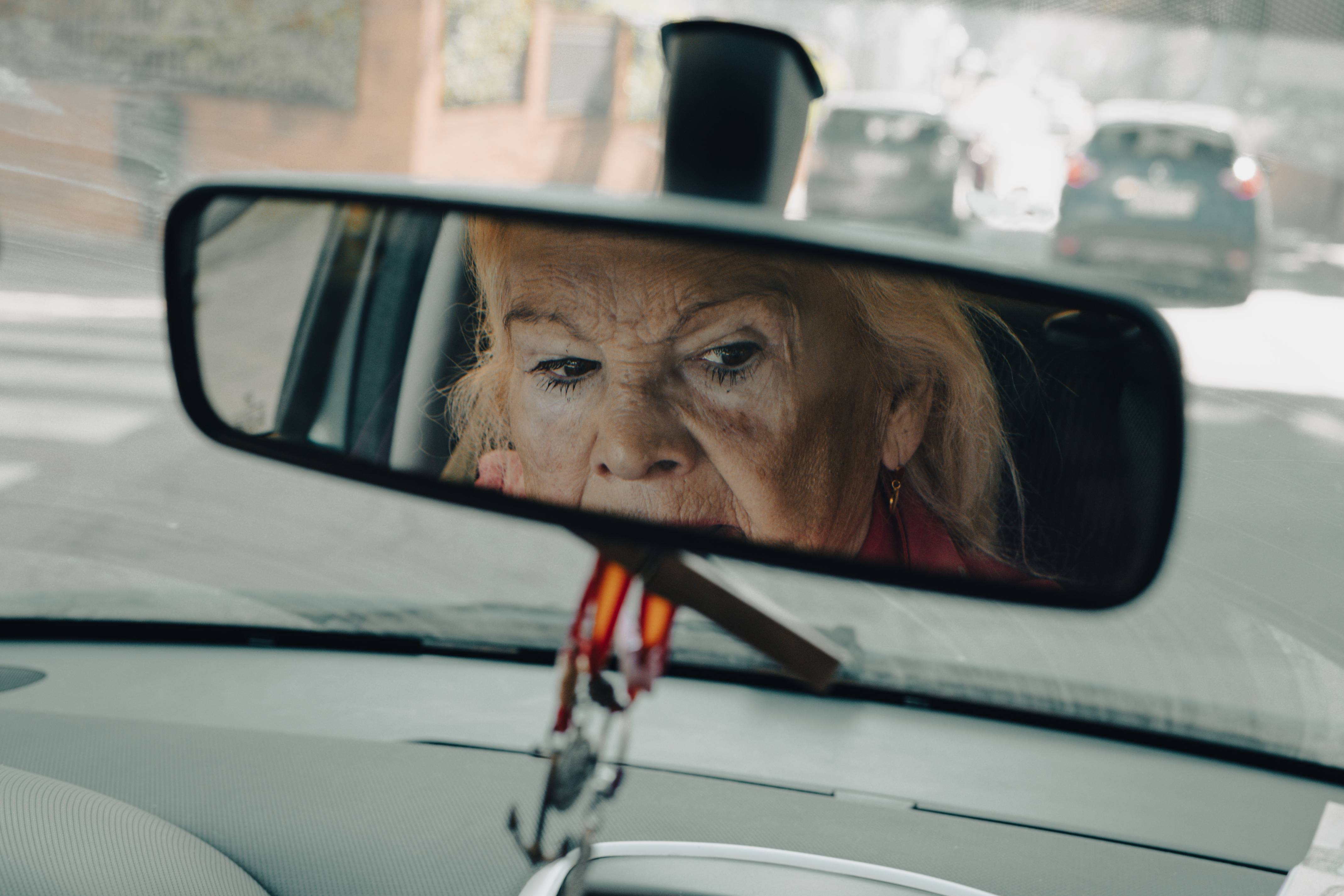
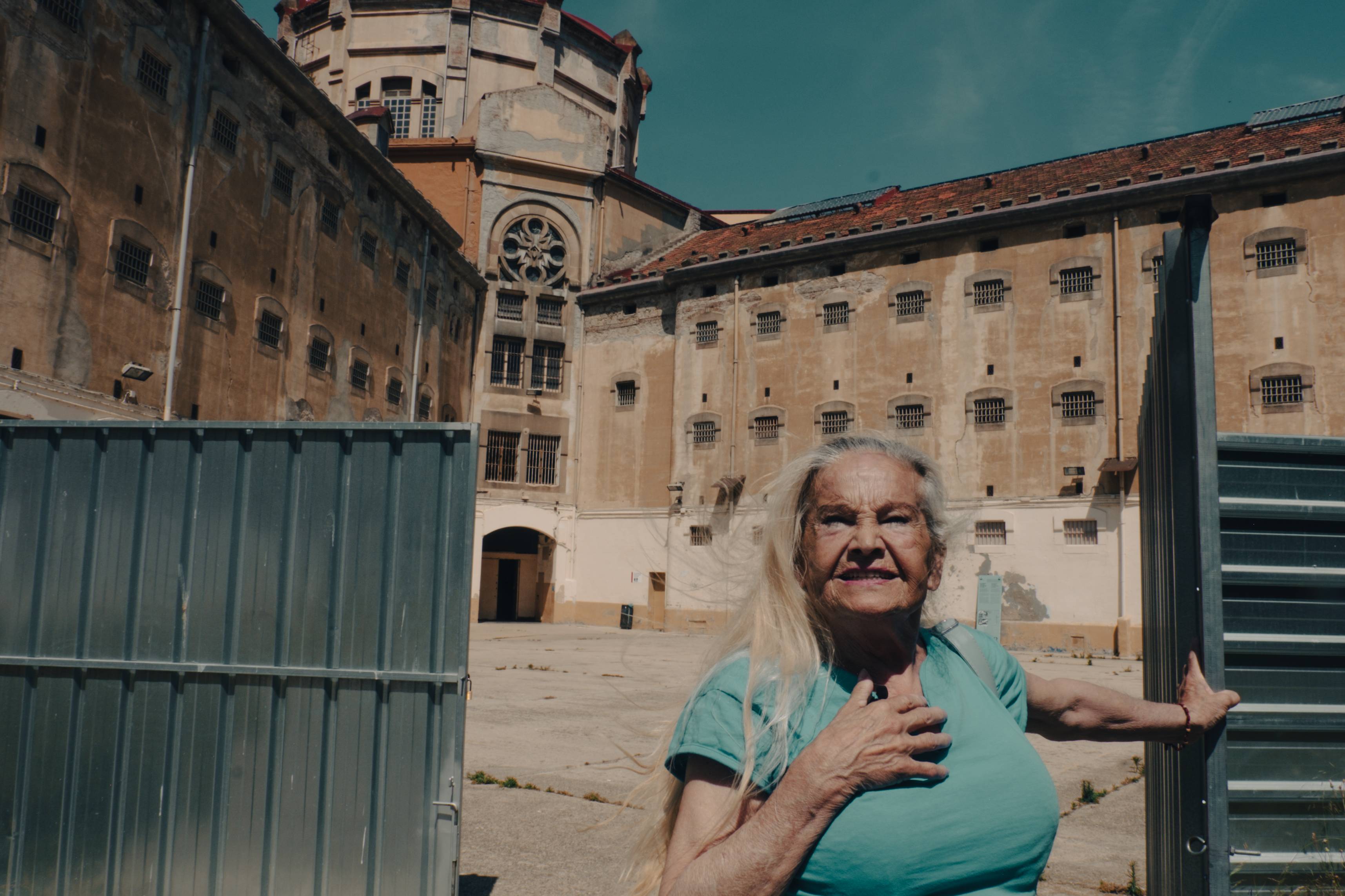
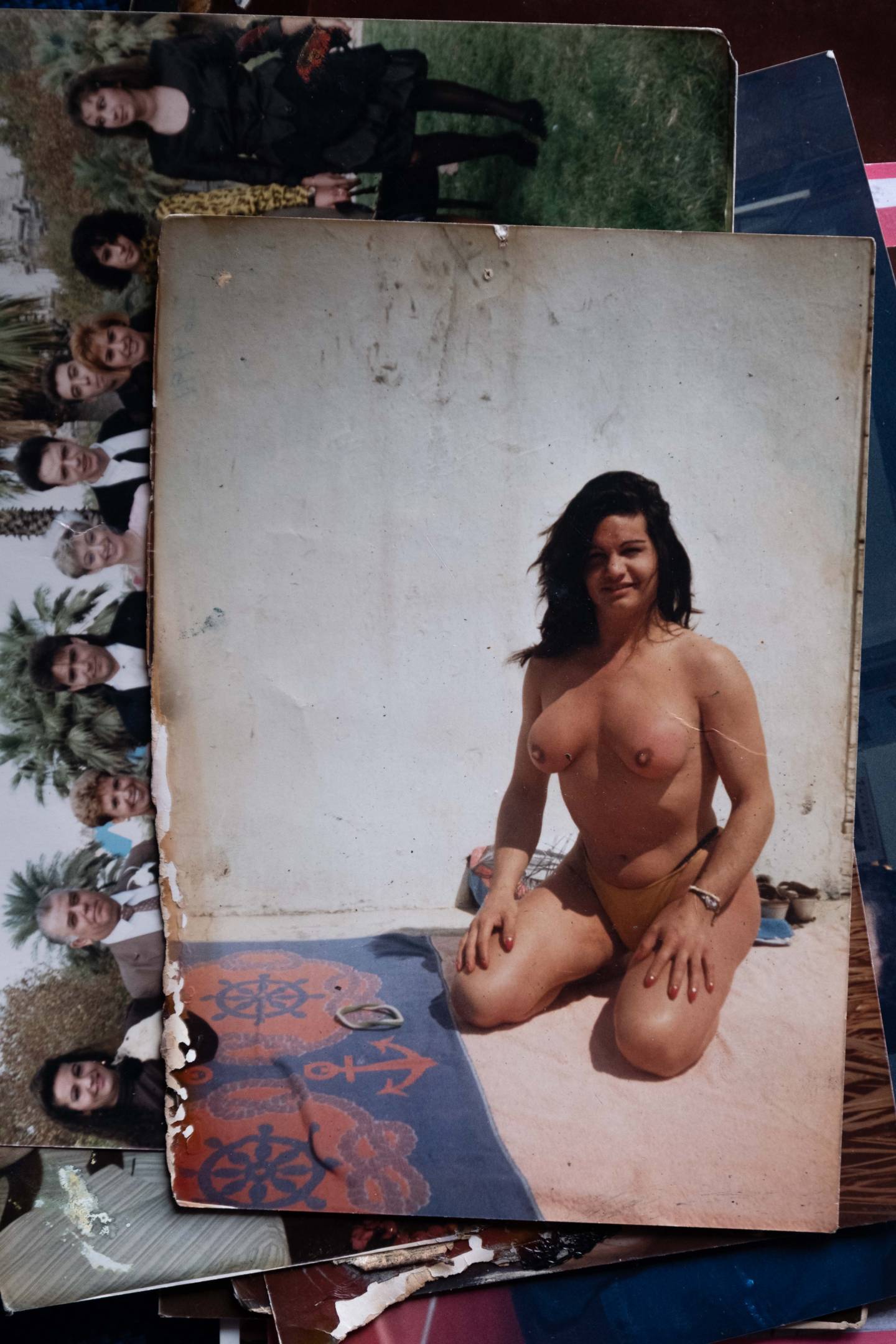
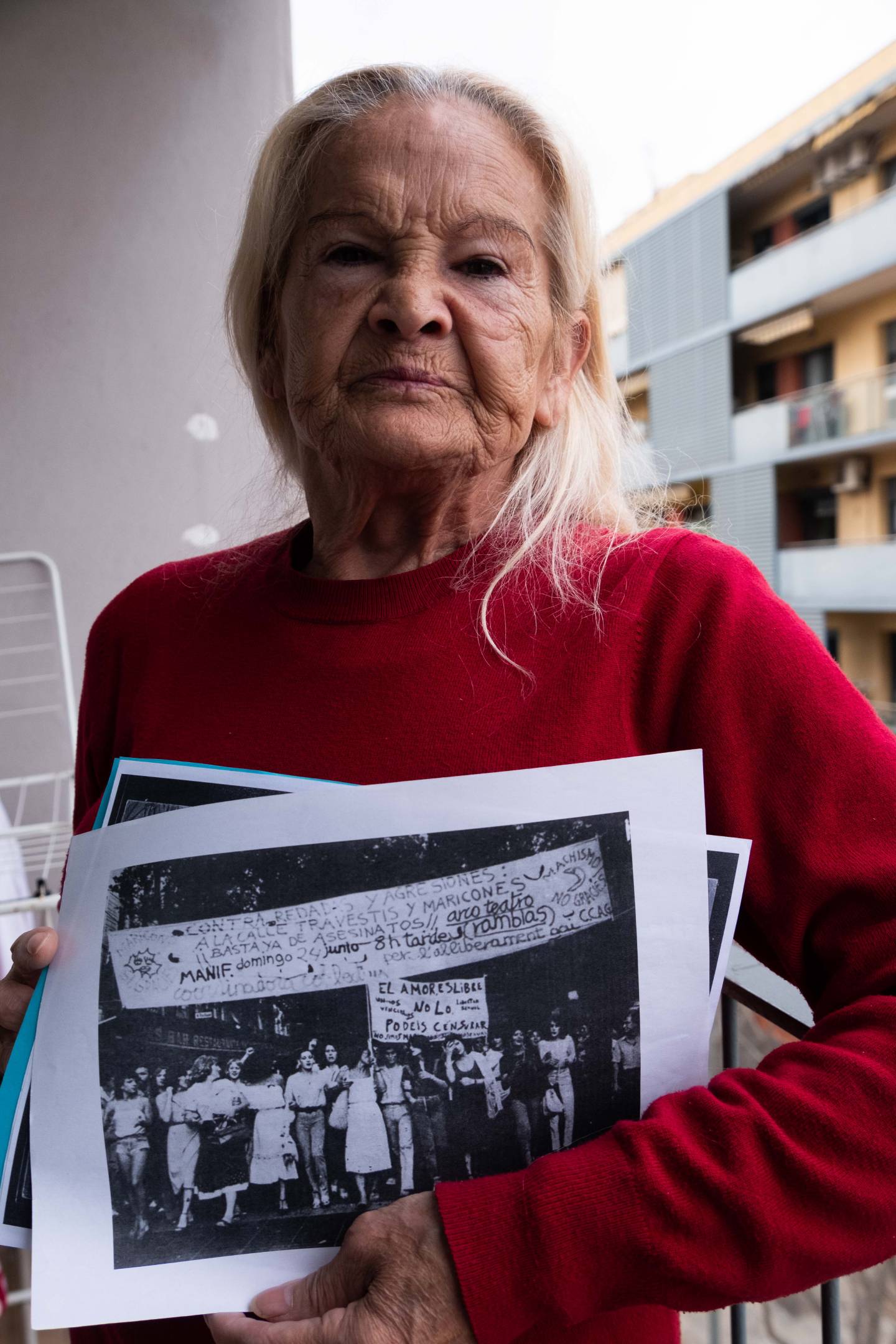
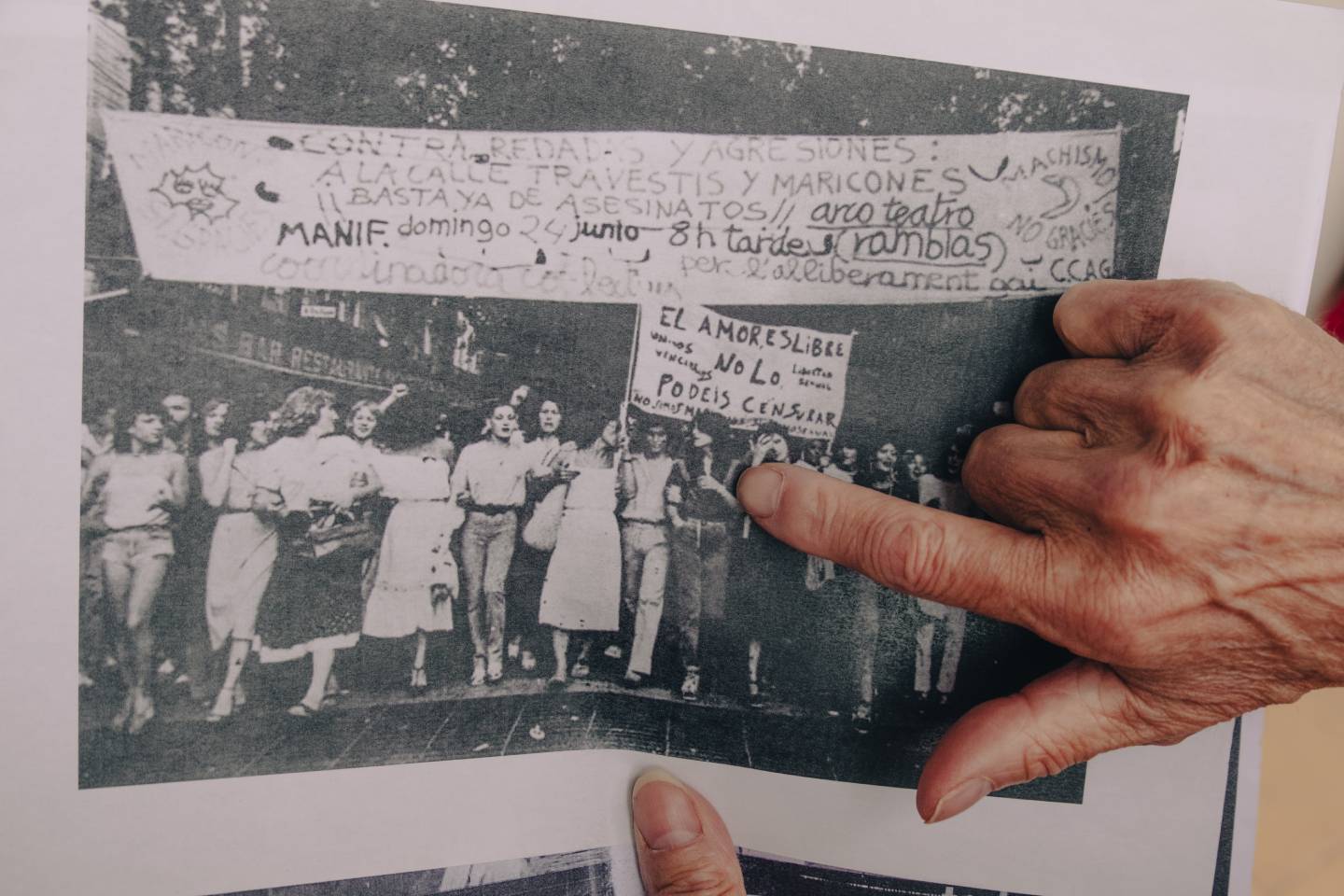
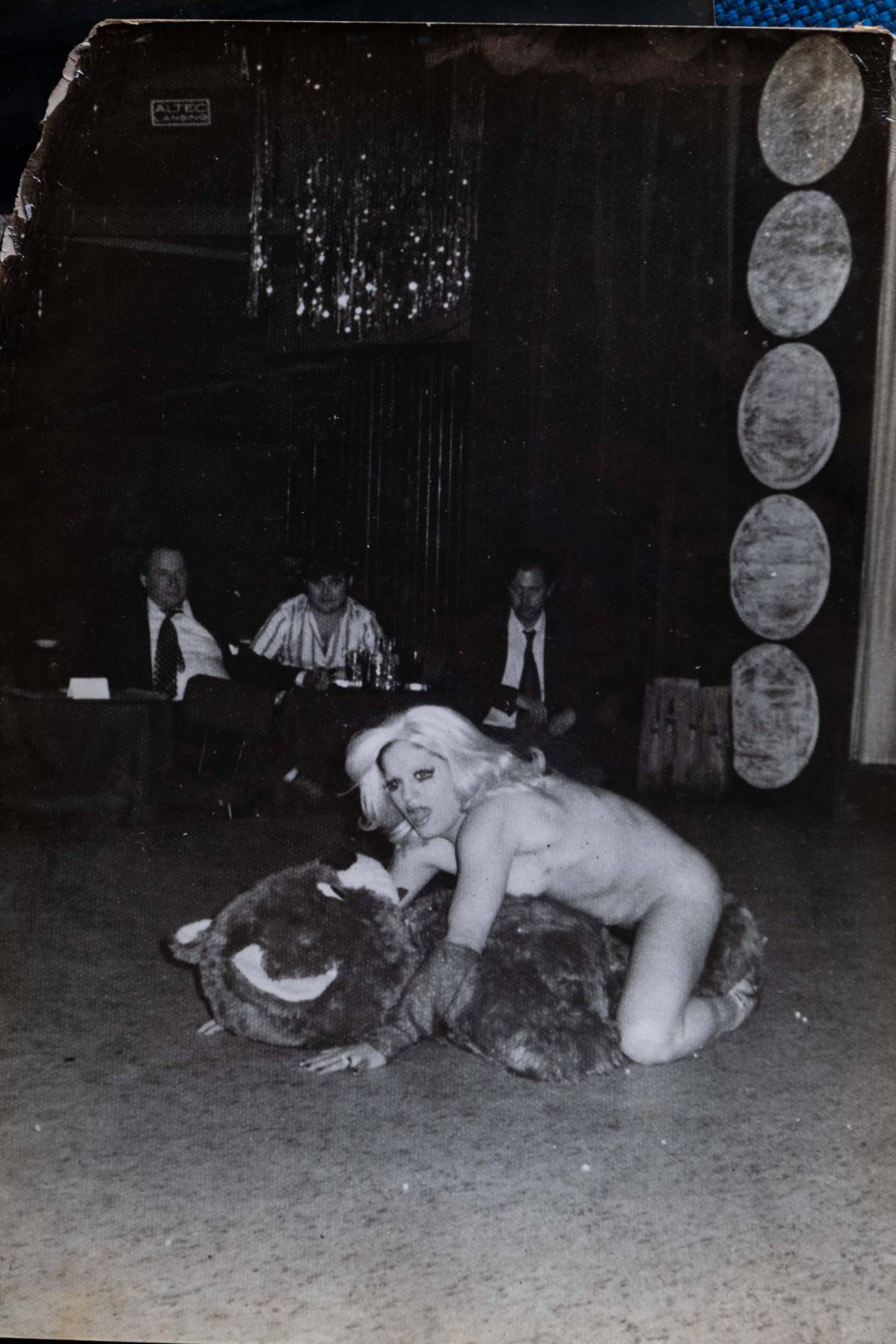
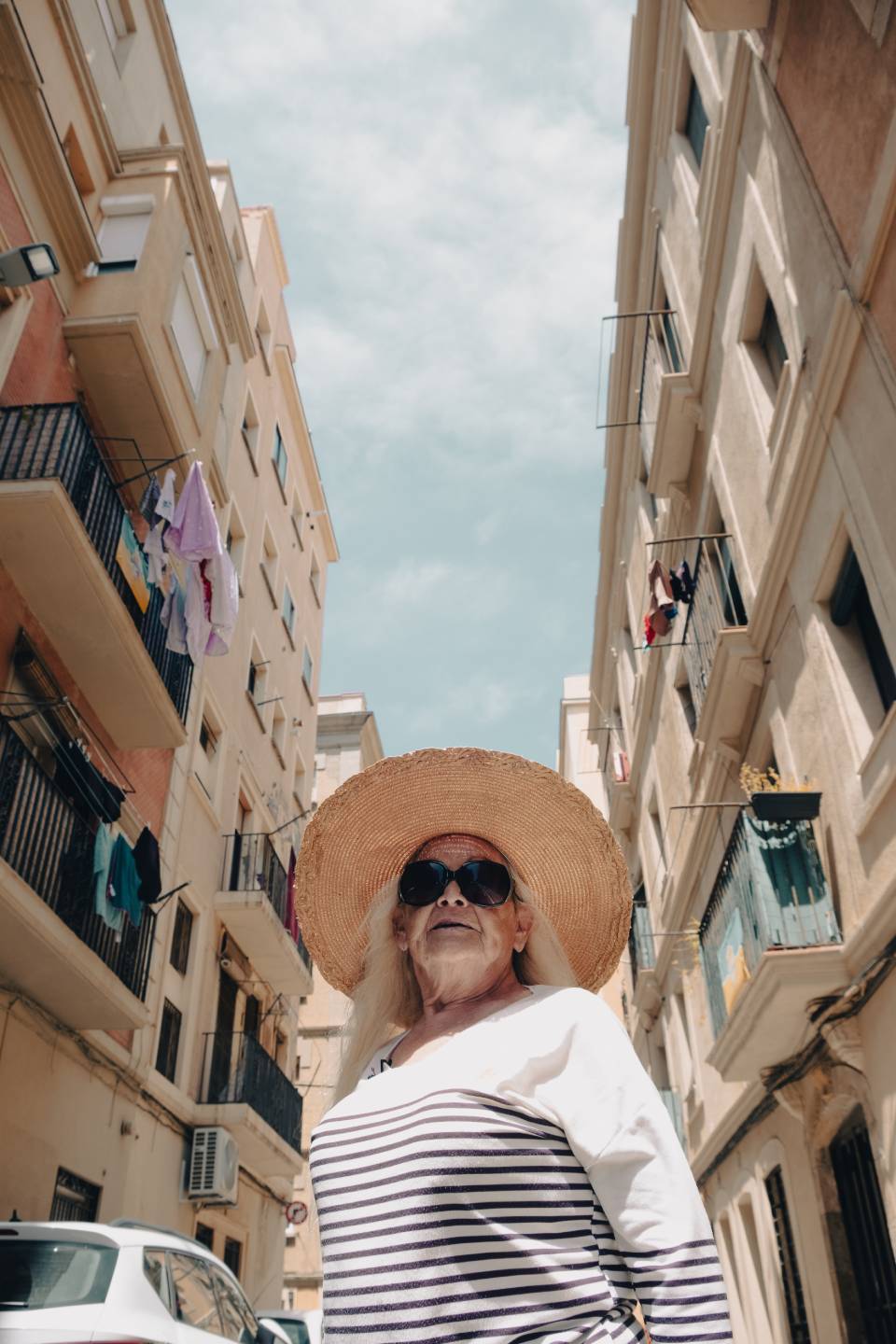
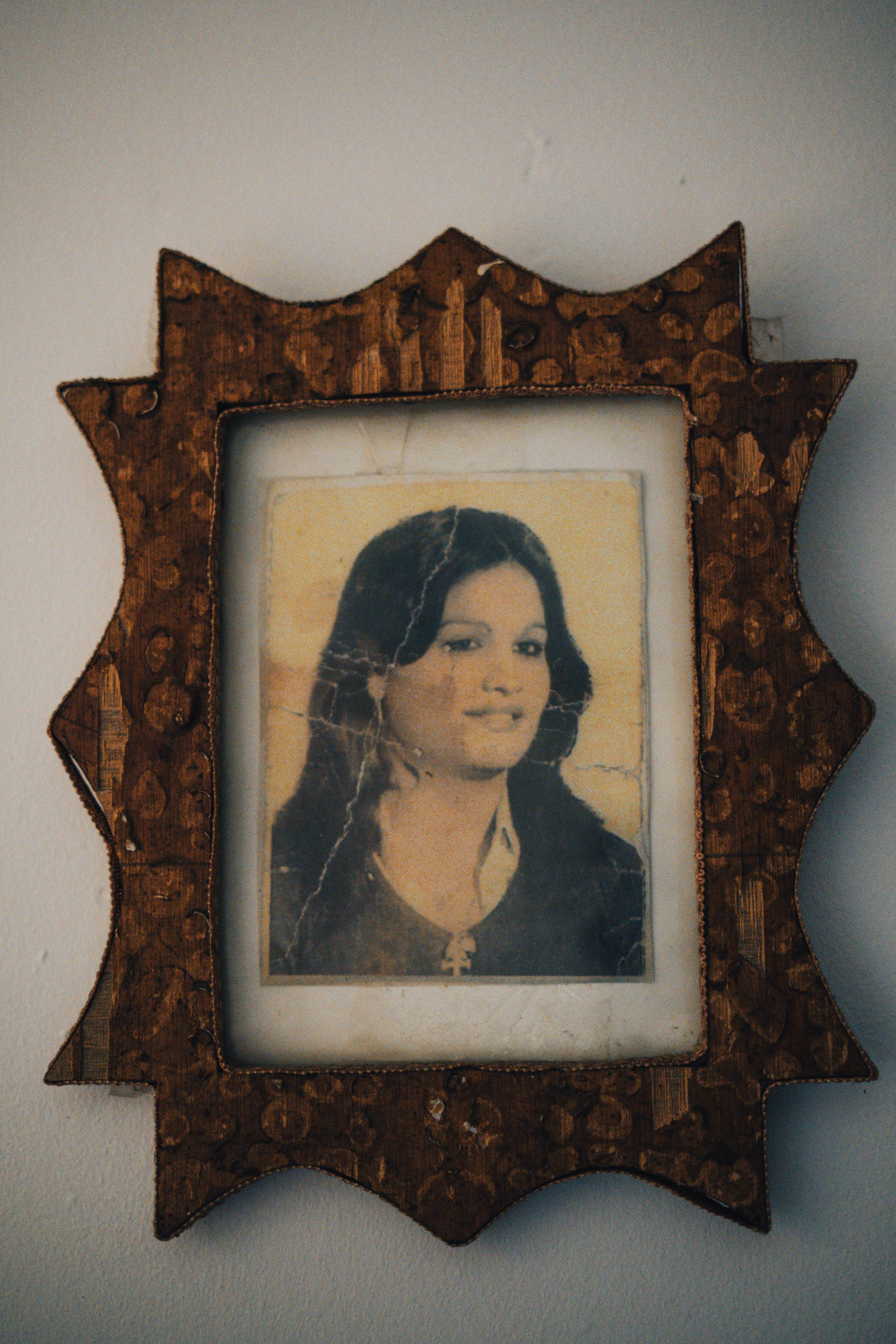
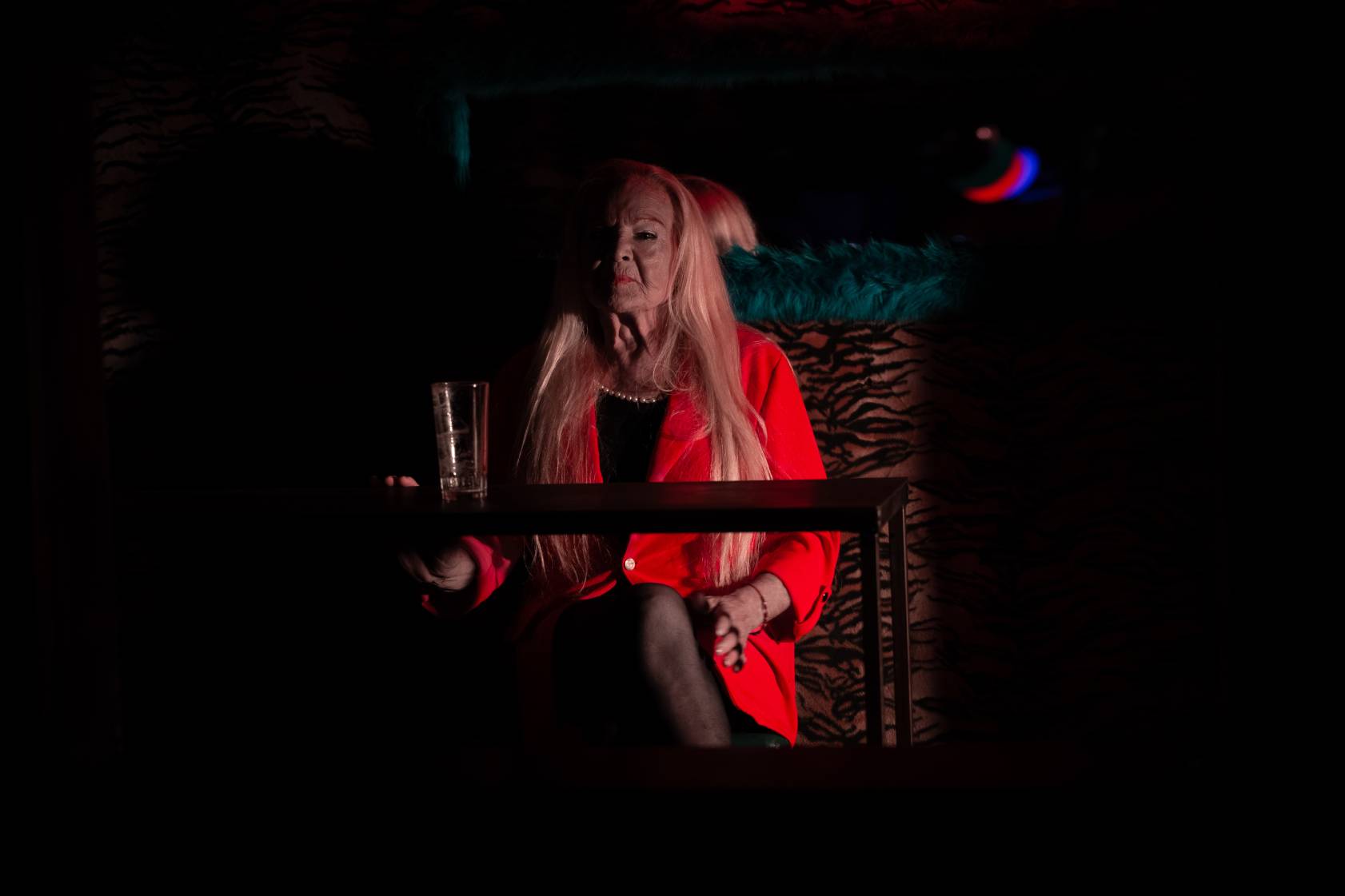
Tania, the Trans Woman Who Defied Franco’s Dictatorship is a visual and narrative journey into the life of Tania Navarro, the last surviving member of her generation of trans women in Spain. Her life unfolded in the shadows of dictatorship, when living openly meant paying an unbearable price. Tania was imprisoned twelve times because of her gender identity, taken to police stations hundreds of times, and subjected to electroshock treatments at the Sant Boi psychiatric hospital.Yet she never stopped resisting. In 1977, she stood on the front line at Spain’s first Gay Pride march in Barcelona—a demonstration of courage and hope that was violently repressed by police. Though marked by brutality, the day remains in her memory as one of shared resistance and collective awakening.Through intimate portraits, archival materials, and fragments of testimony, the project restores her story as an act of remembrance and dignity. Each image becomes a threshold—a passage through which we honor those who were silenced and listen to those who endured.This work is more than testimony; it is a gesture of care, restitution, and recognition. It ensures that Tania’s fragile yet powerful voice continues to resonate—as living memory and as a promise of the future.
About the photographer
Luca Gaetano
Born in Italy, Luca Gaetano Pira currently lives and works in Barcelona. He is interested in historical memory, photography as a tool for engagement and transformation, and analog processes, particularly manual development. In 2017 he studied Documentary Photography at EFTI (Madrid), where he initiated a project that led him across Spain, Chile, Argentina, and Uruguay, interviewing more than 50 elderly members of the LGTBIQ+ community who had been persecuted during military dictatorships. Since then, he has combined photographic practice with active militancy in collectives linked to LGTBIQ+ rights, democratic memory, and feminism. His research aims for a photography committed to the present—one that does not simply document, but accompanies processes, listens, and builds narratives from the margins. His work focuses on historical memory, issues of gender and identity, and the relationship between human beings and the environment. Among his most significant projects is Las Descarriadas, dedicated to the survivors of the Patronato de Protección a la Mujer. With the series KHAOS and Order, he reflects on the intersections between myth, ecology, and anthropocentrism. He is currently developing a long-term documentary project that parallels the struggles against wind energy megaprojects in both the Isthmus of Tehuantepec (Mexico) and Sardinia, territories marked by processes of economic and environmental colonization. His work has been published in international outlets such as The Guardian, Lacuna Magazine, Cuartoscuro, Spunk, El Salto, La Marea, Vangardist, Archer, and Dodho Magazine. He has exhibited in cities including Bologna, Berlin, Mexico City, Los Angeles, Tijuana, San Francisco, and Rome, and in 2025 was awarded the POY Latam. Alongside his artistic production, he leads participatory photography workshops with vulnerable communities, understanding visual practice as a tool of listening, care, and transformation.