Gomma Photography Grant 2025
Impermanence: Louisiana's Vanishing Coast.
Photographer
Daniel Kariko
Impermanence: Louisiana's Vanishing Coast.
14 Feb, 2026
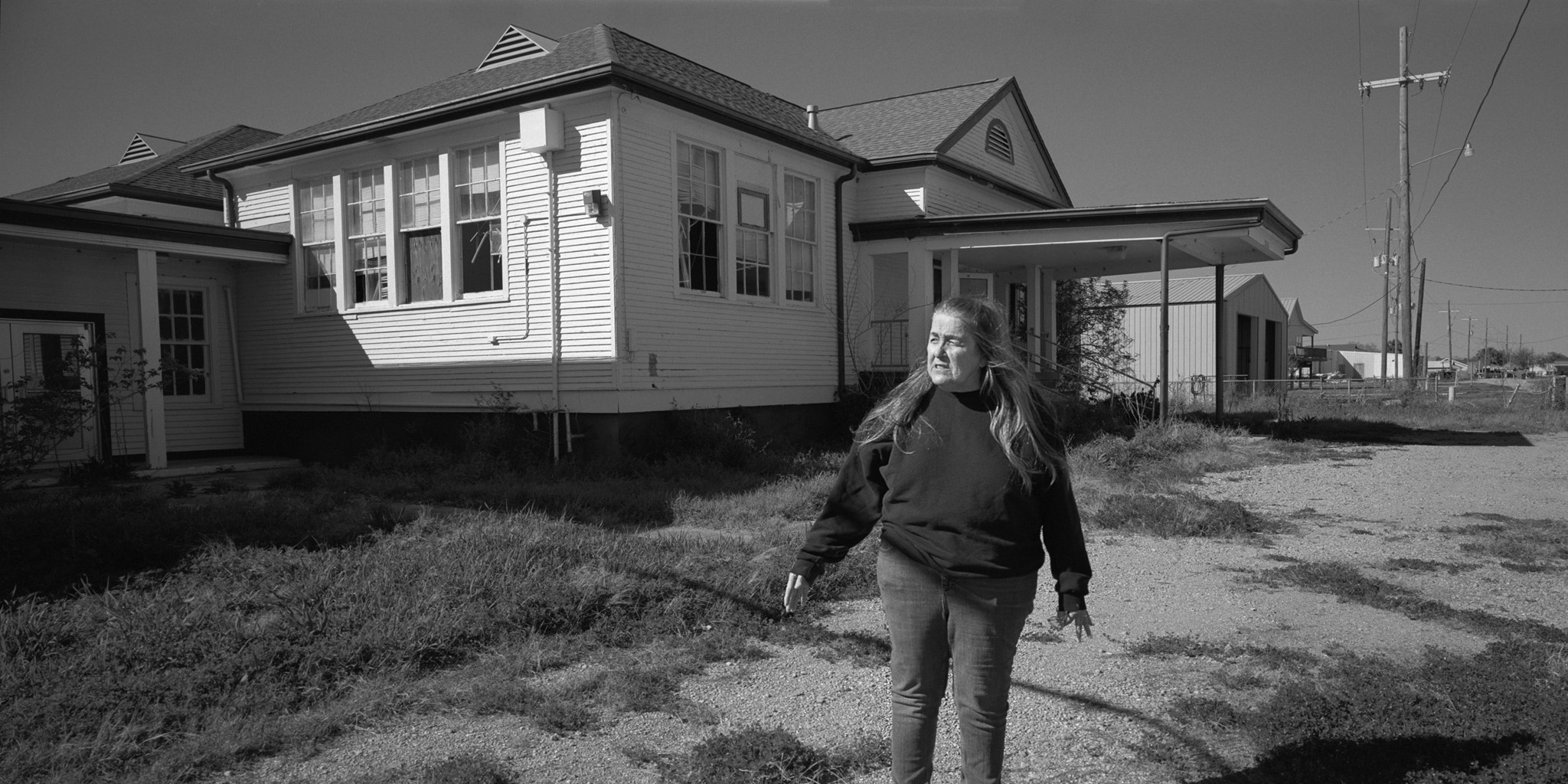
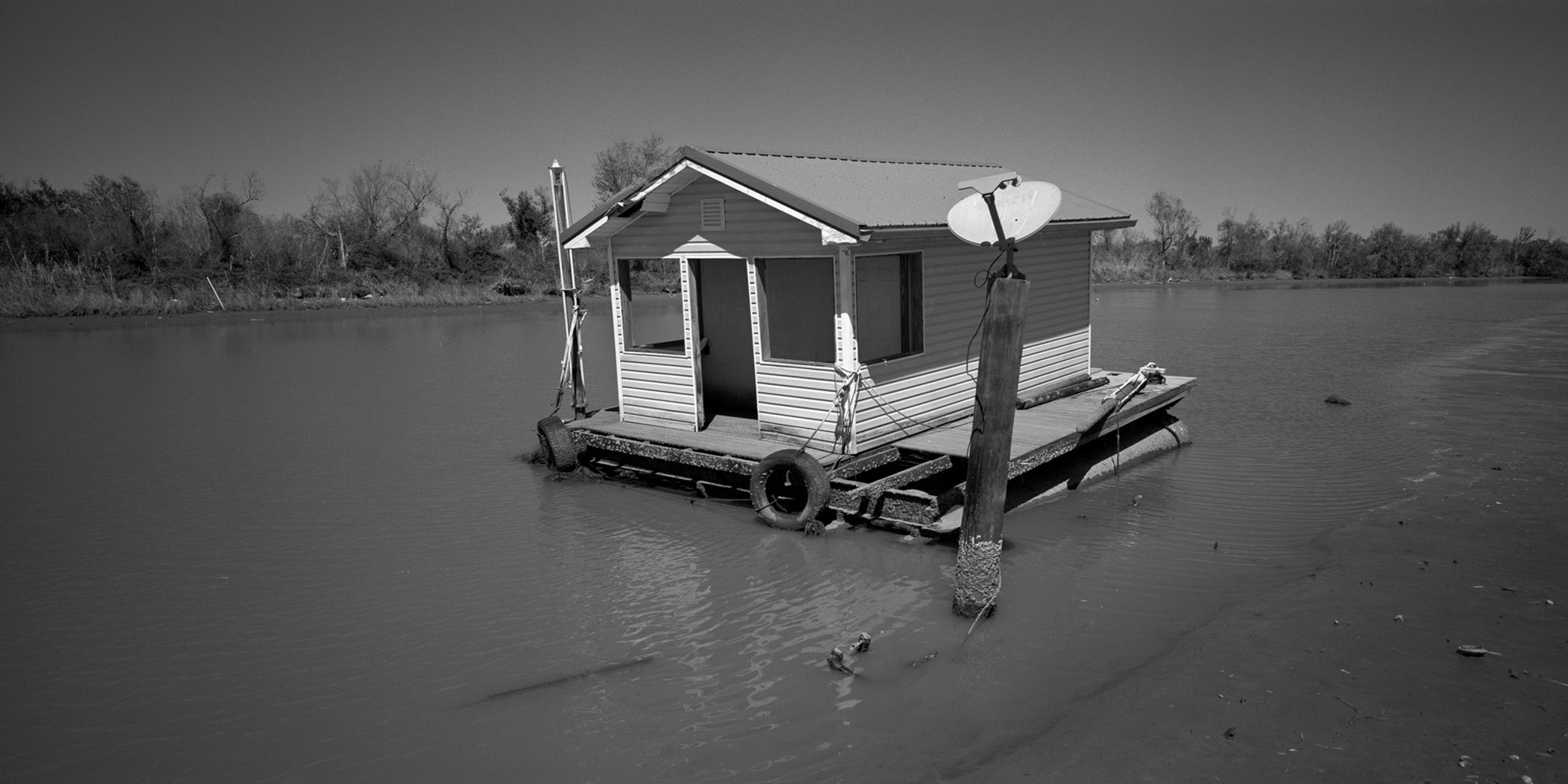
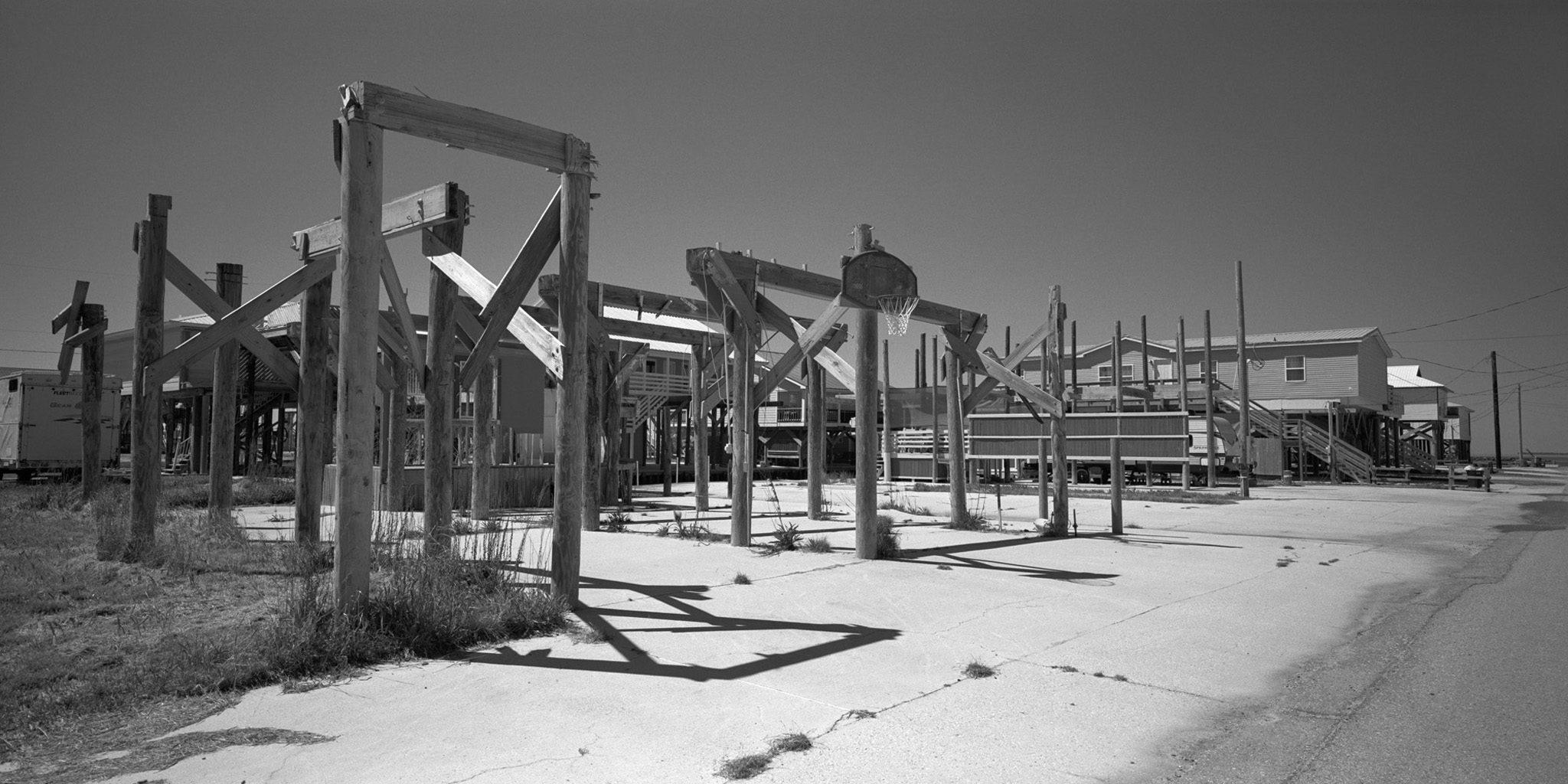
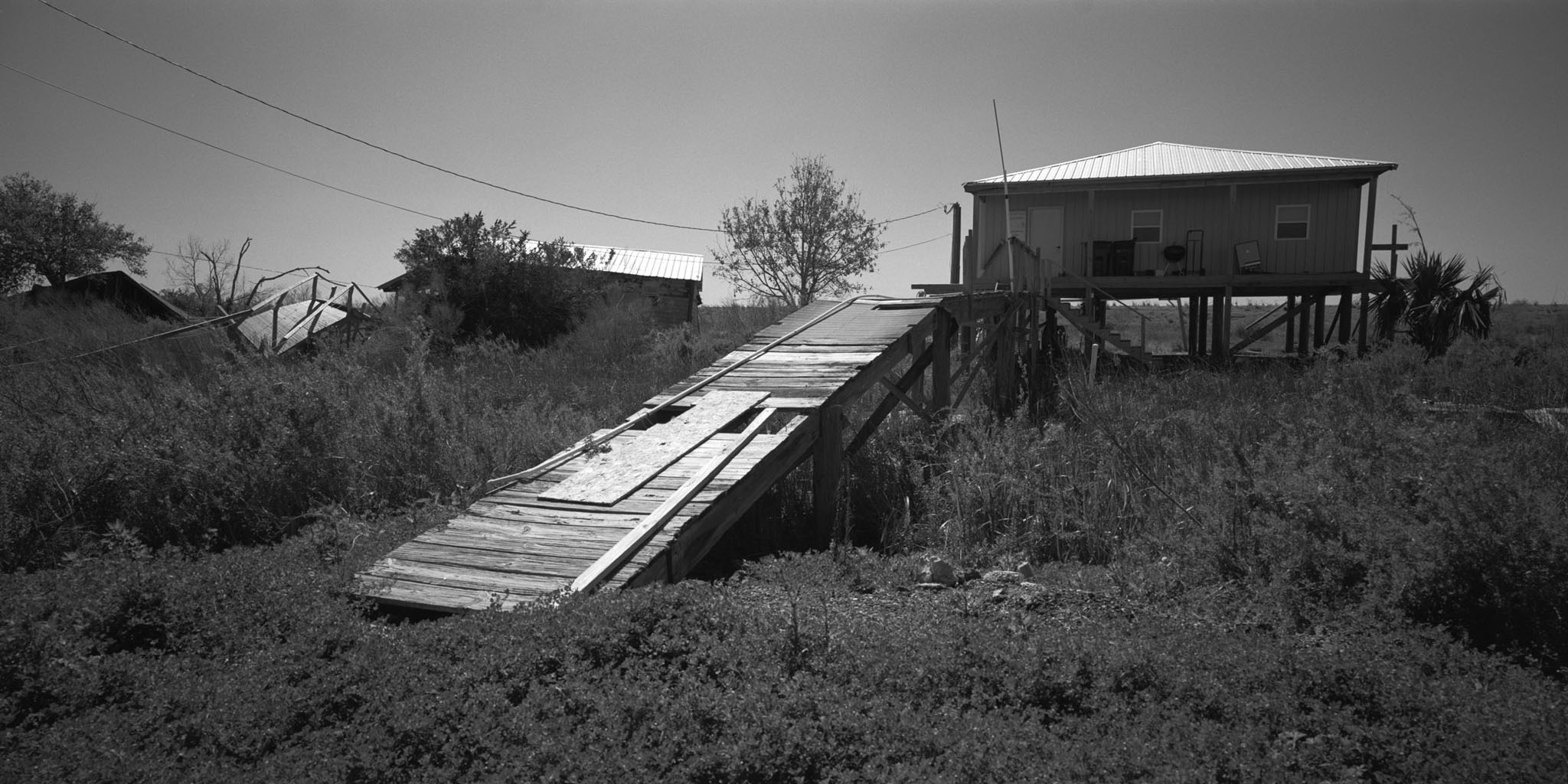
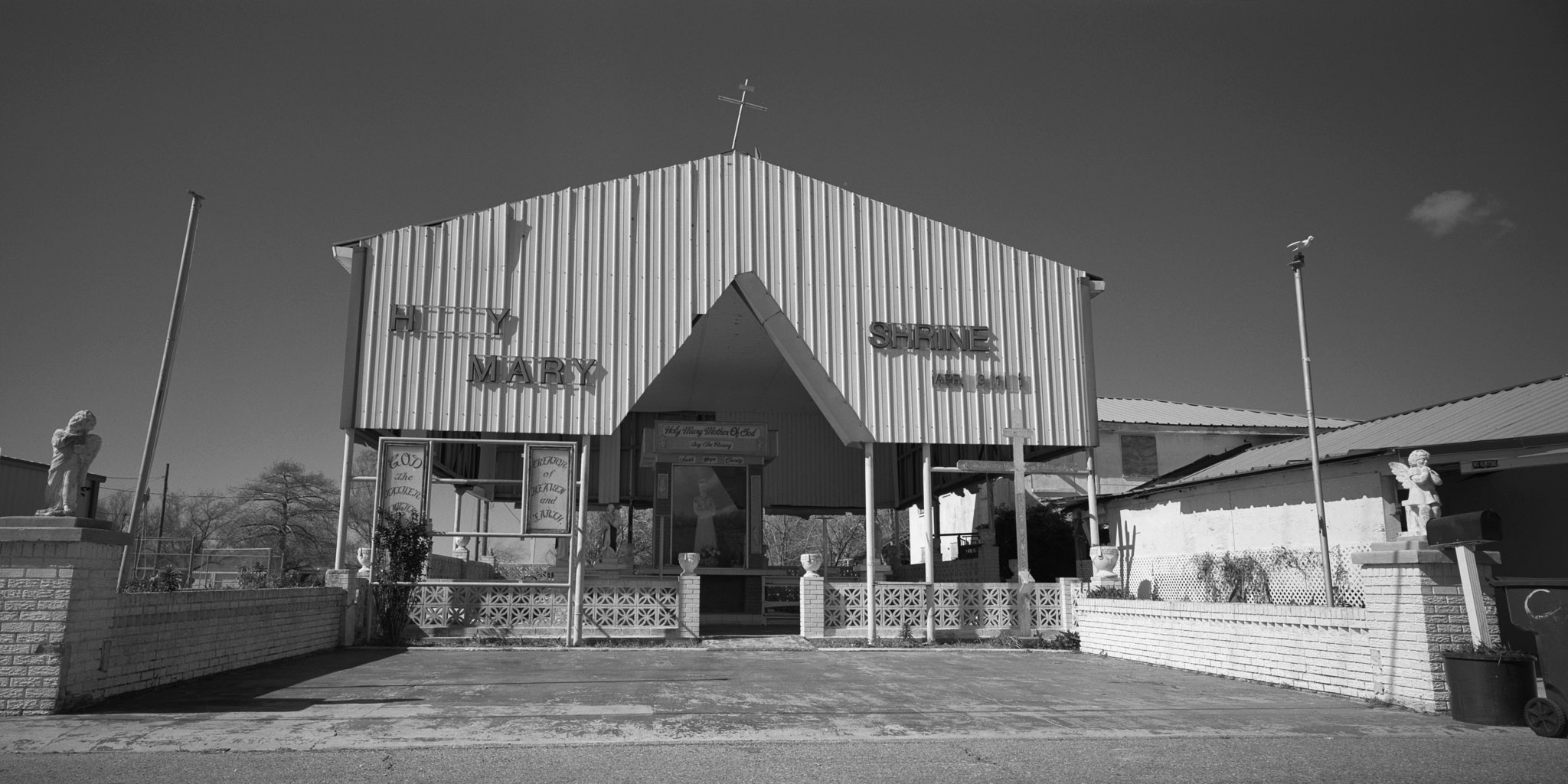
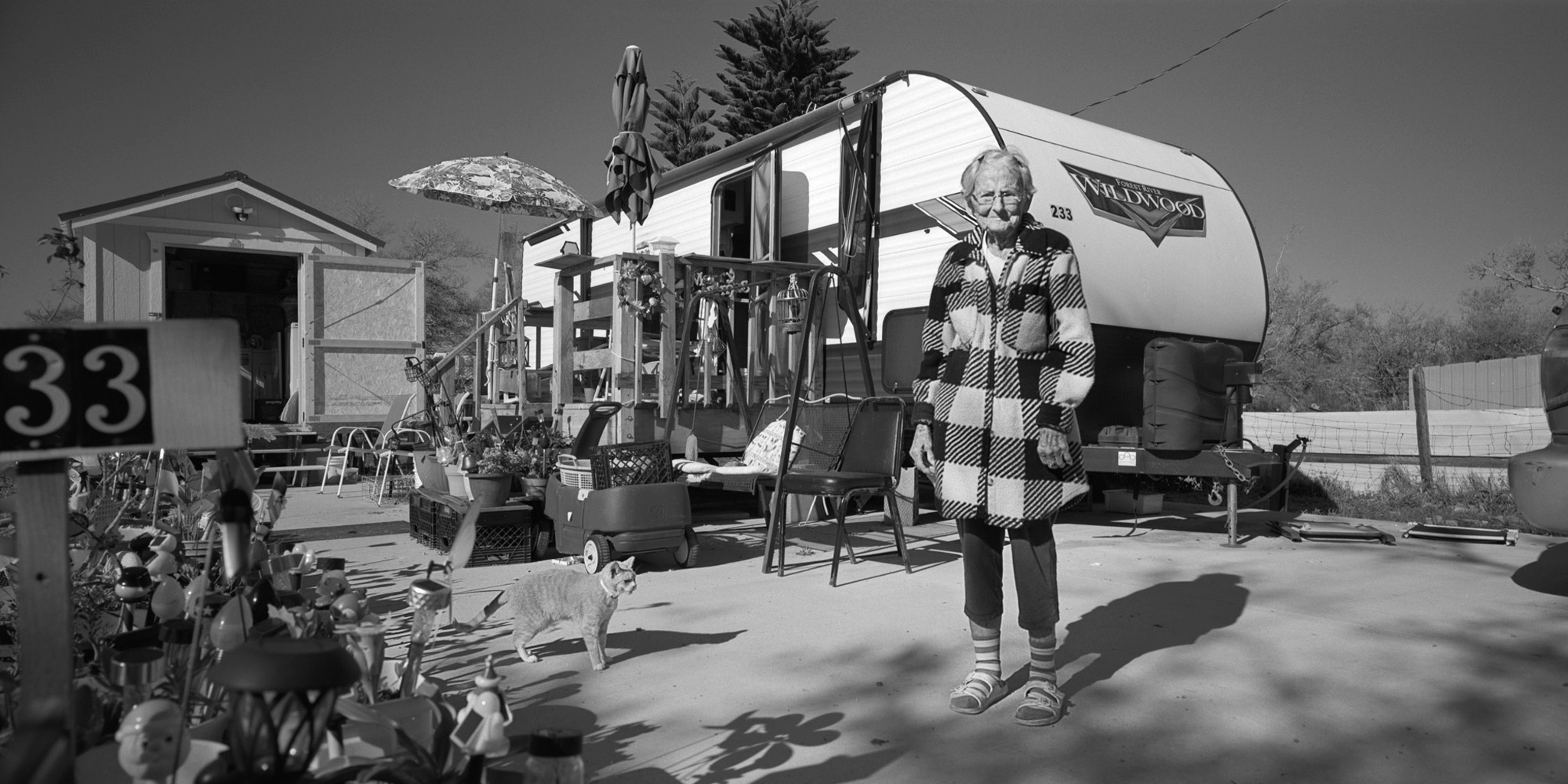
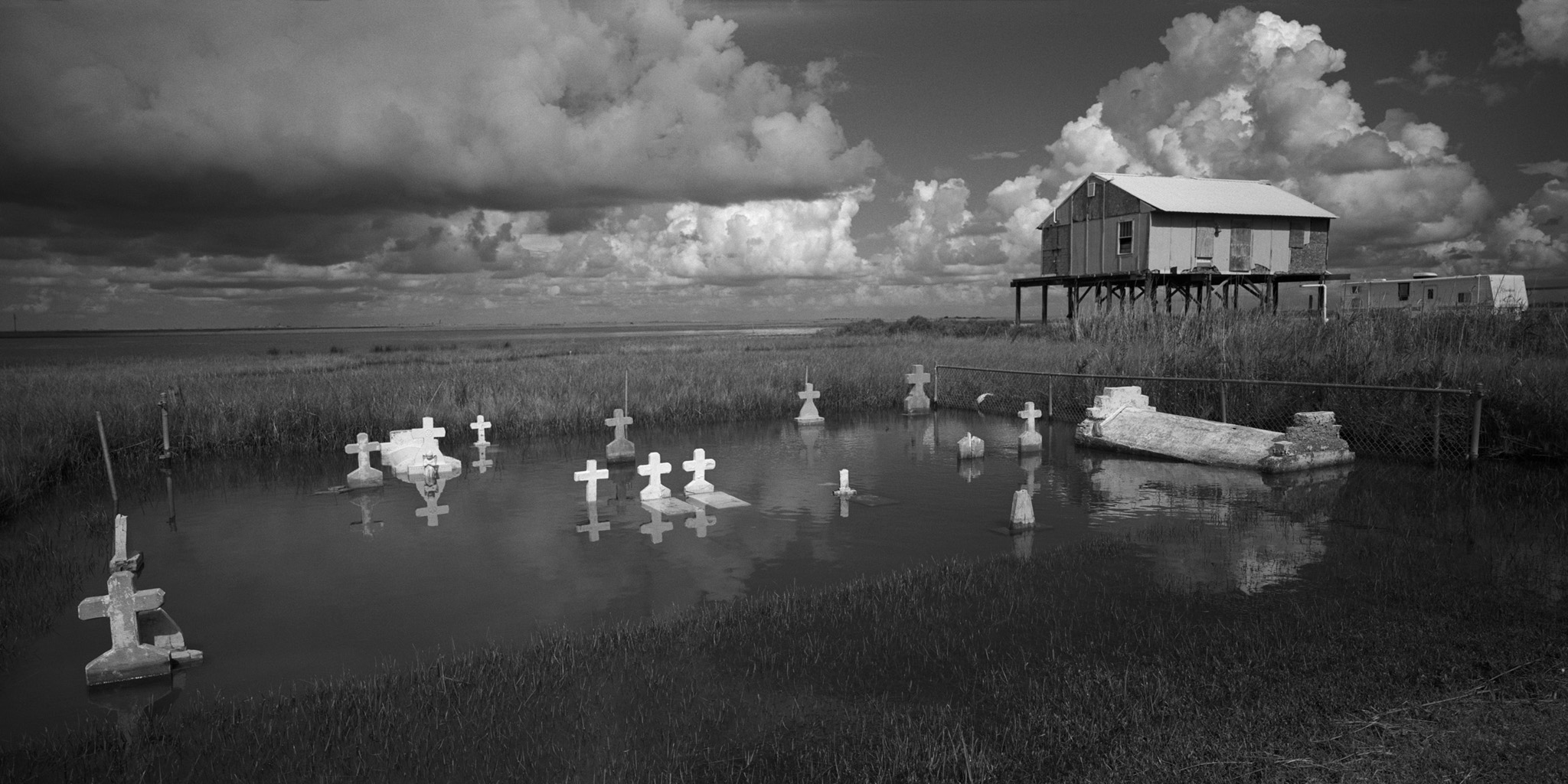
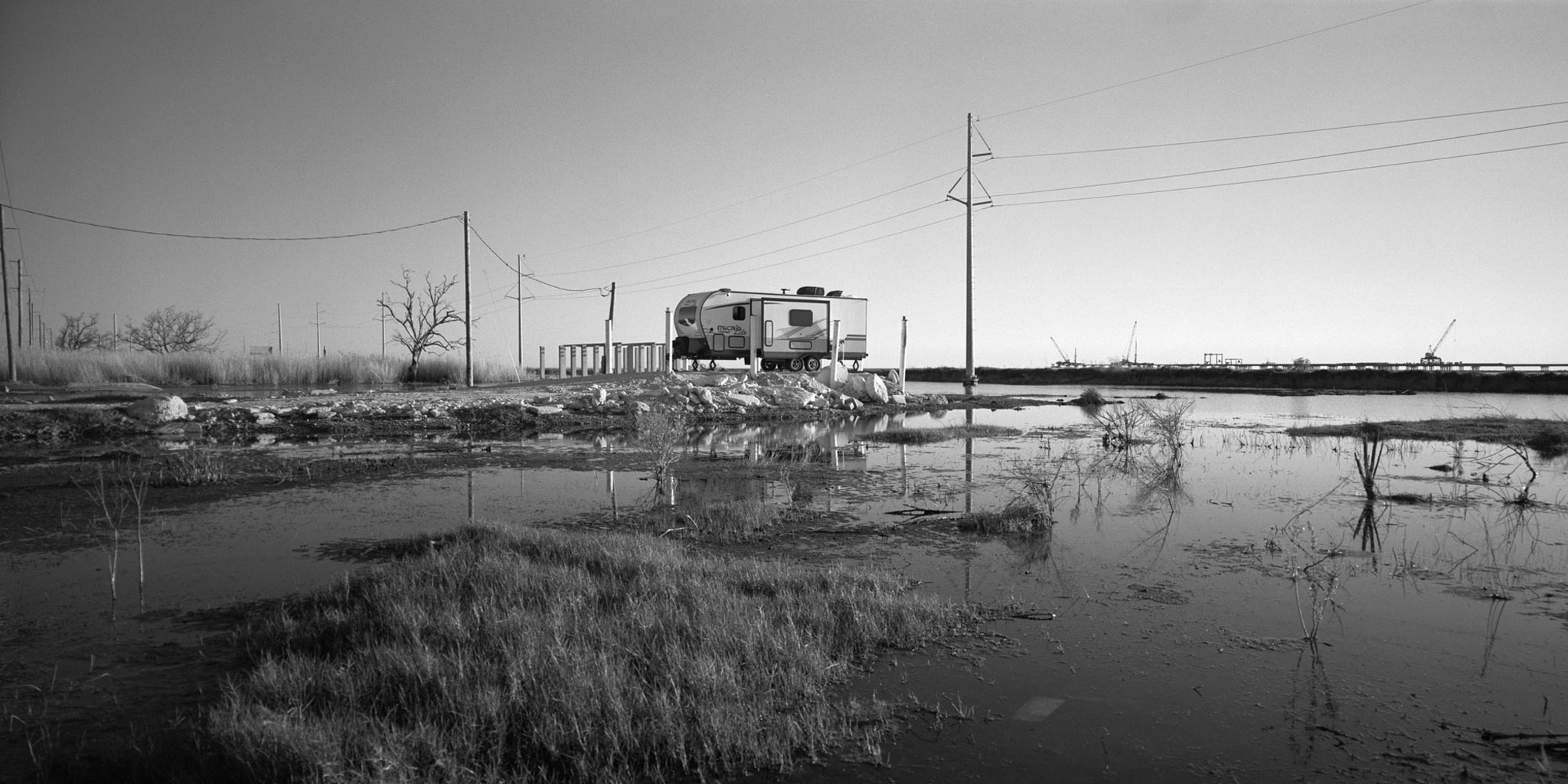
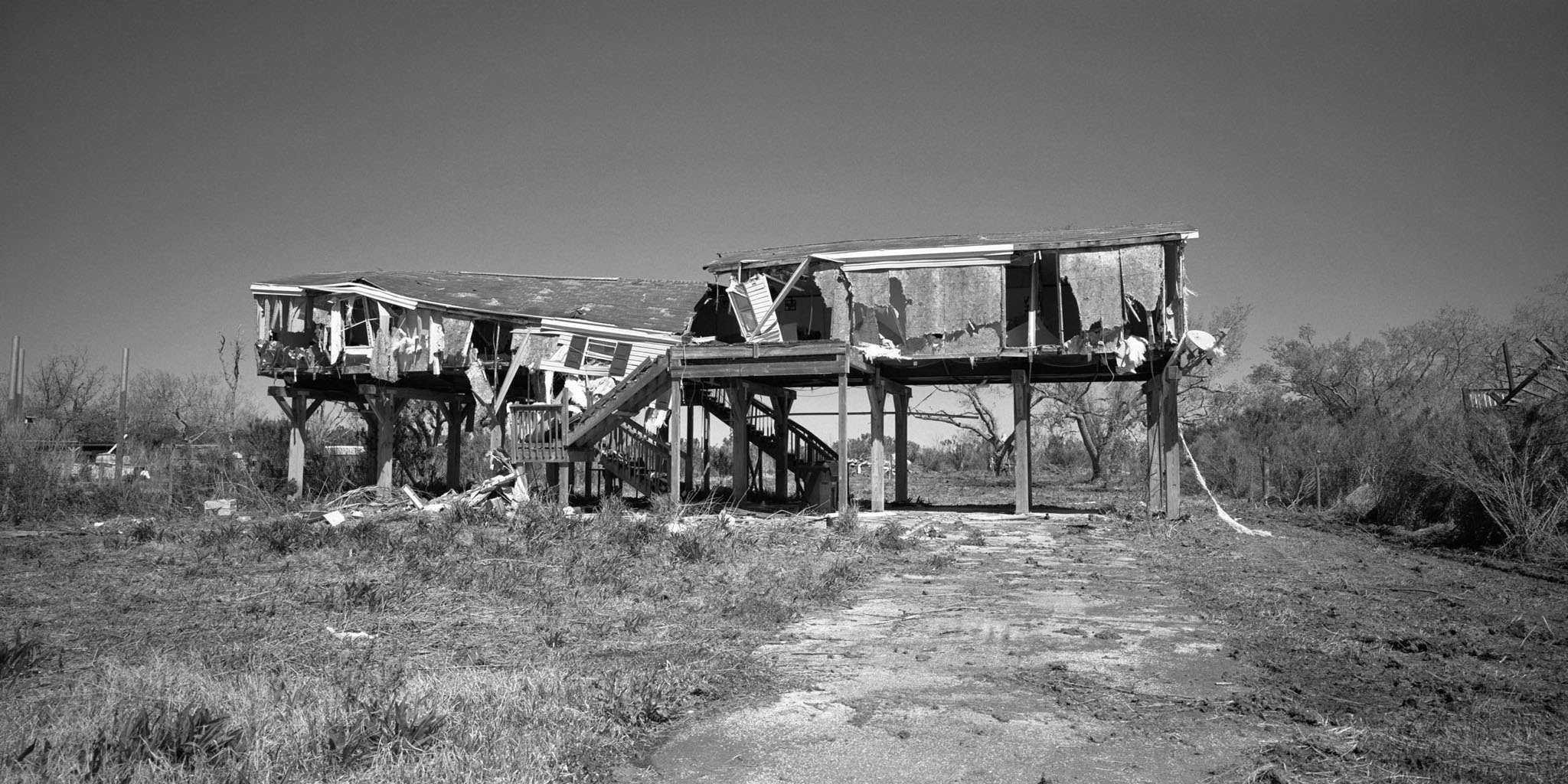
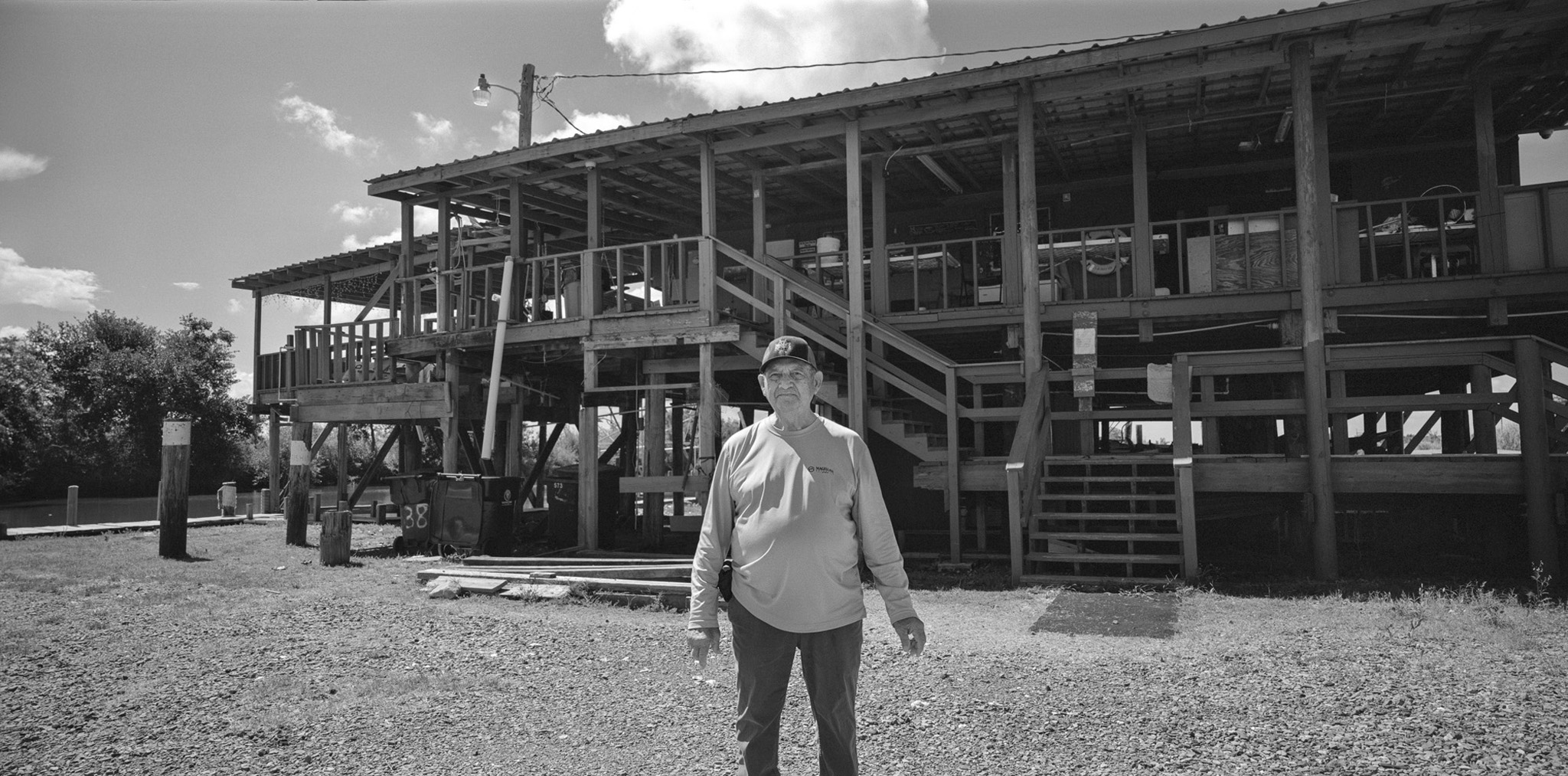
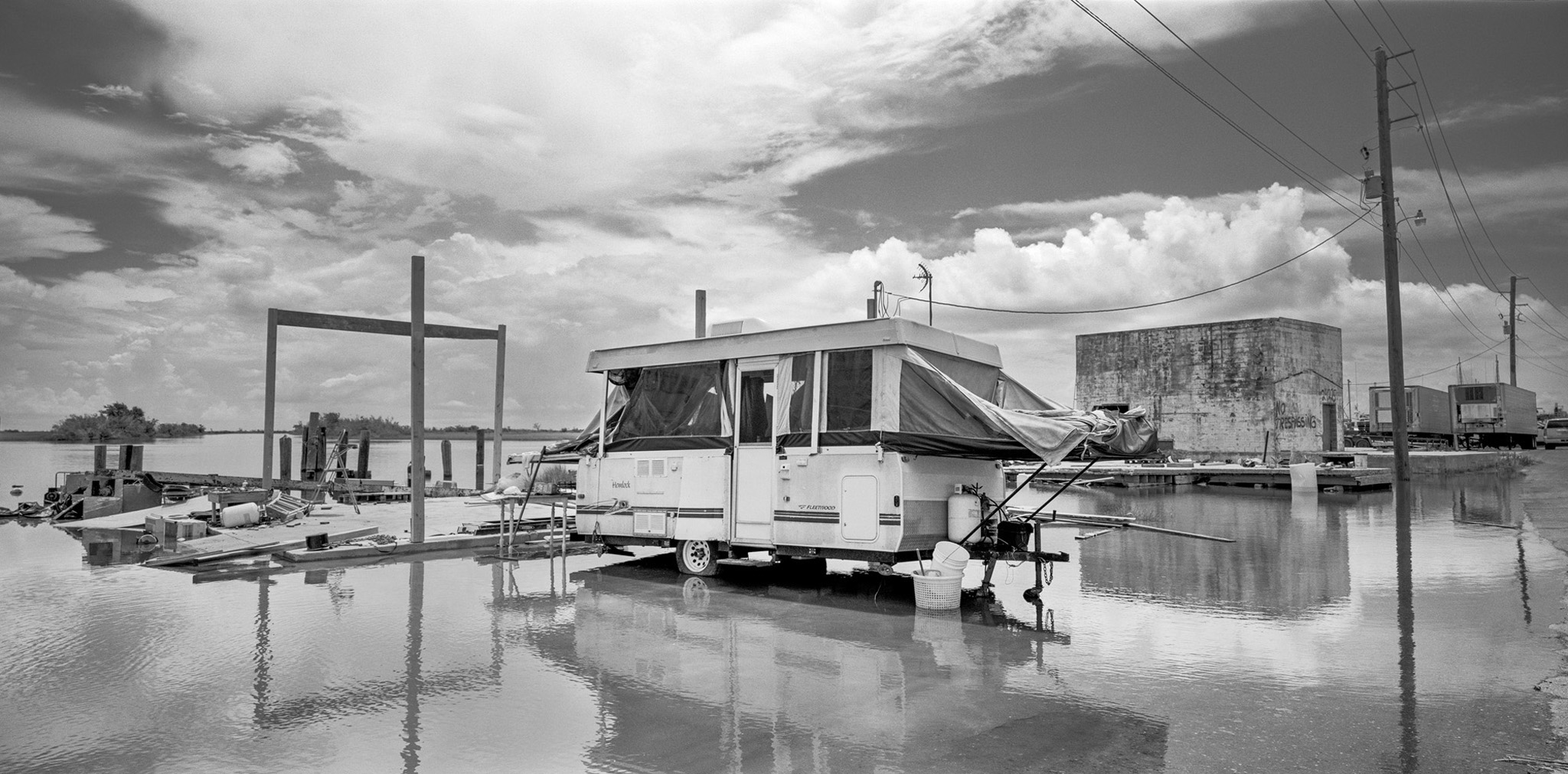
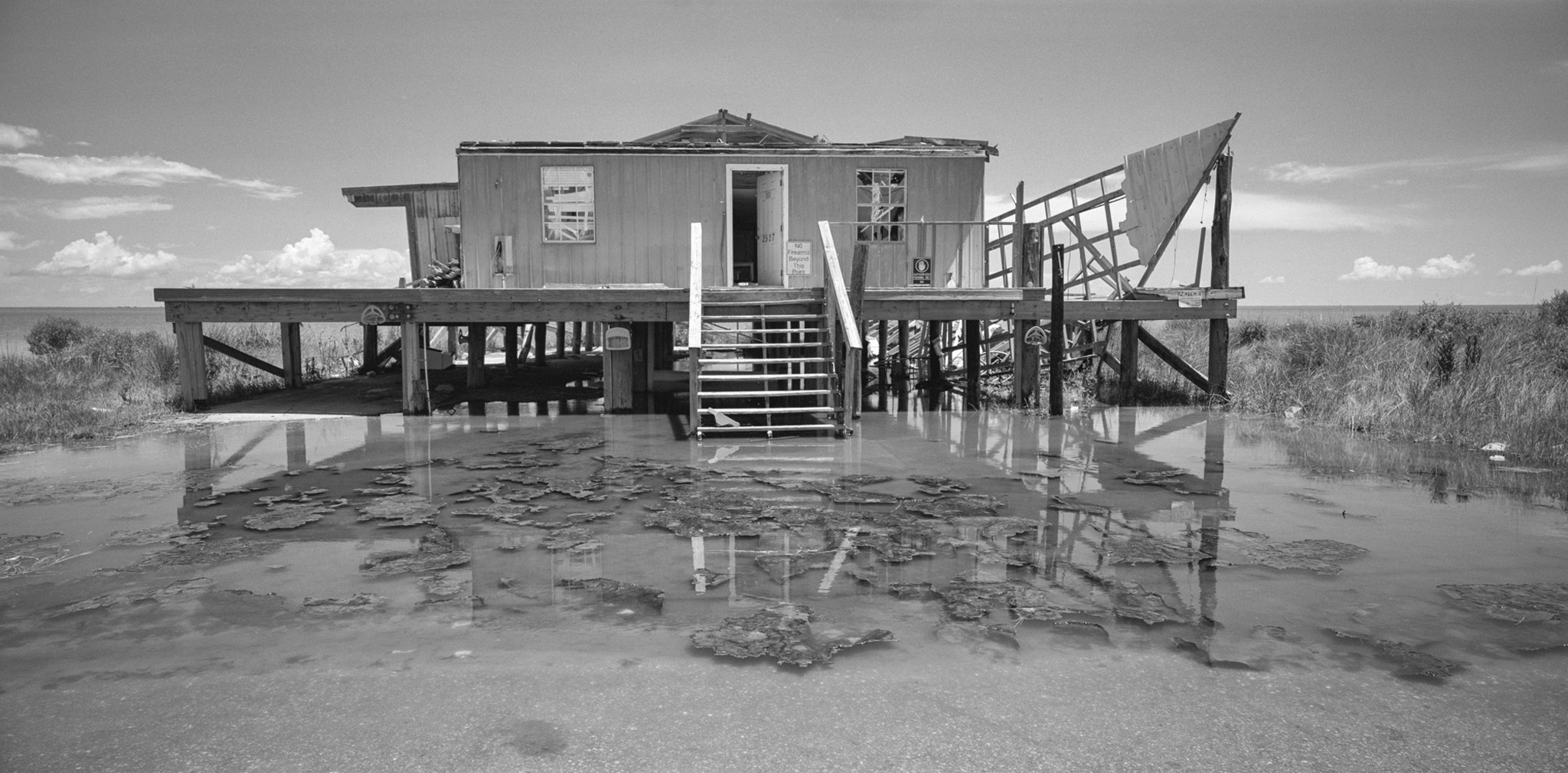
Louisiana stands at the forefront of global sea-level change, facing the highest rate of coastal erosion in the United States—losing roughly one hundred yards of land every thirty minutes, or the size of a football field every half hour. In addition to global sea-level rise, more than a dozen major storms this century, including Katrina and Rita in 2005 and Ida in 2022, have drastically reshaped its coastline. The people of Louisiana are deeply tied to their landscape, but this relationship is under existential threat as the ground itself disappears. While technology may slow erosion, it cannot preserve cultural heritage. Indigenous Americans, Cajuns, and Asian American communities are losing resources, livelihoods, and ancestral land. Each year, small towns vanish into the wetlands, taking generations of stories with them. These photographs represent over two decades of documentation within the Barataria-Terrebonne National Estuary, chronicling both environmental transformation and human resilience. For me, this unraveling landscape mirrors the disintegration of my native Yugoslavia—a geography and identity lost to history. The global environmental crisis that places Louisiana at the center of attention makes this project profoundly timely—the longest and most personal endeavor of my career, charting humanity’s adaptation to a warmer, wetter world.
About the photographer
Daniel Kariko
Daniel Kariko, a U.S.-based artist and academic at East Carolina University, explores the intersection of photography, science, and environmental change. His creative research centers on southern Louisiana’s shifting coastline, where he documents disappearing landscapes, cultural erosion, and the impact of climate change. Kariko’s long-term photographic work captures the fragile interplay between human habitation and a transforming environment, blending documentary practice with conceptual investigation. His images have been exhibited internationally, including at the Smithsonian Institution; Noorderlicht Photofestival, Groeningen, The Netherlands; Yixian International Photography Festival, Huangshan City, China; Manchester Science Festival, UK; Rewak Gallery, University of Sharjah, United Arab Emirates; Edinburgh International Science Festival, UK; Museum of Contemporary Art of Vojvodina, Novi Sad, Serbia; Rijeka Foto Festival, Croatia; Fries Museum, The Netherlands; Festival della Scienza di Verona, Italy; Photon Gallery, Vienna, Austria; Royal Albert Hall, London, UK; ArtCell Gallery, Cambridge, UK; Galata Museo del Mare, Genova, Italy; Orlando Museum of Art, Orlando, FL; and The National Museum of Nuclear Science and History, Albuquerque, NM. Kariko’s work was featured in a number of online and printed publications, including: Communication Arts, Nature, Art Papers, CNN Photos, National Geographic Proof, PetaPixel, Wired, Design Observer, and Discover Magazine. His book Aliens Among Us: Extraordinary Images of Ordinary Insects (Liveright, 2020) further reflects his fascination with the unseen, using electron microscopy to explore the complexity of common insects. Through both macro and micro lenses, Kariko’s work compels viewers to reconsider their relationship with nature, place, and impermanence—contributing a vital voice to contemporary environmental discourse.