

Gomma Photography Grant 2025
flux
Photographer
Tomas Kawecki
flux
14 Feb, 2026
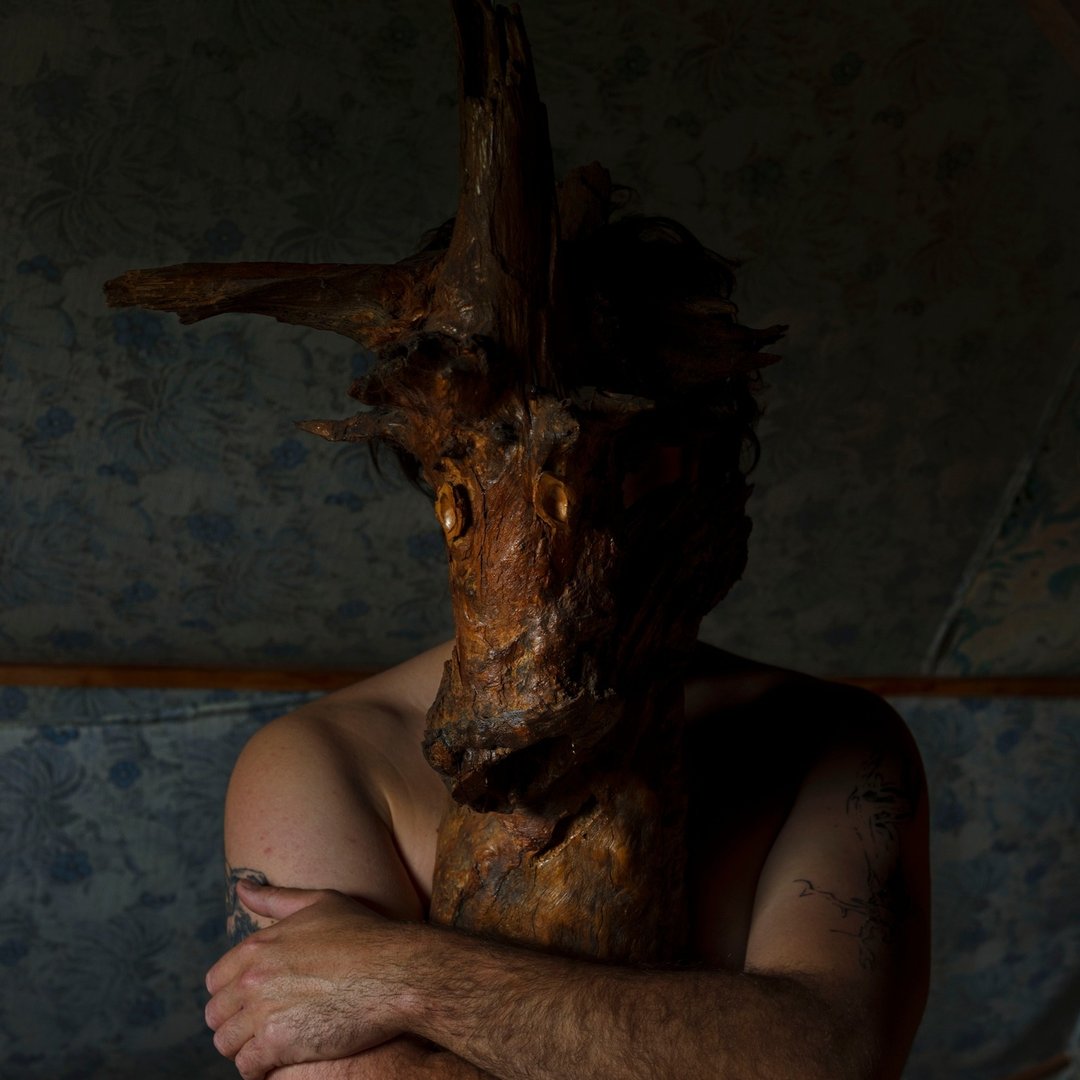
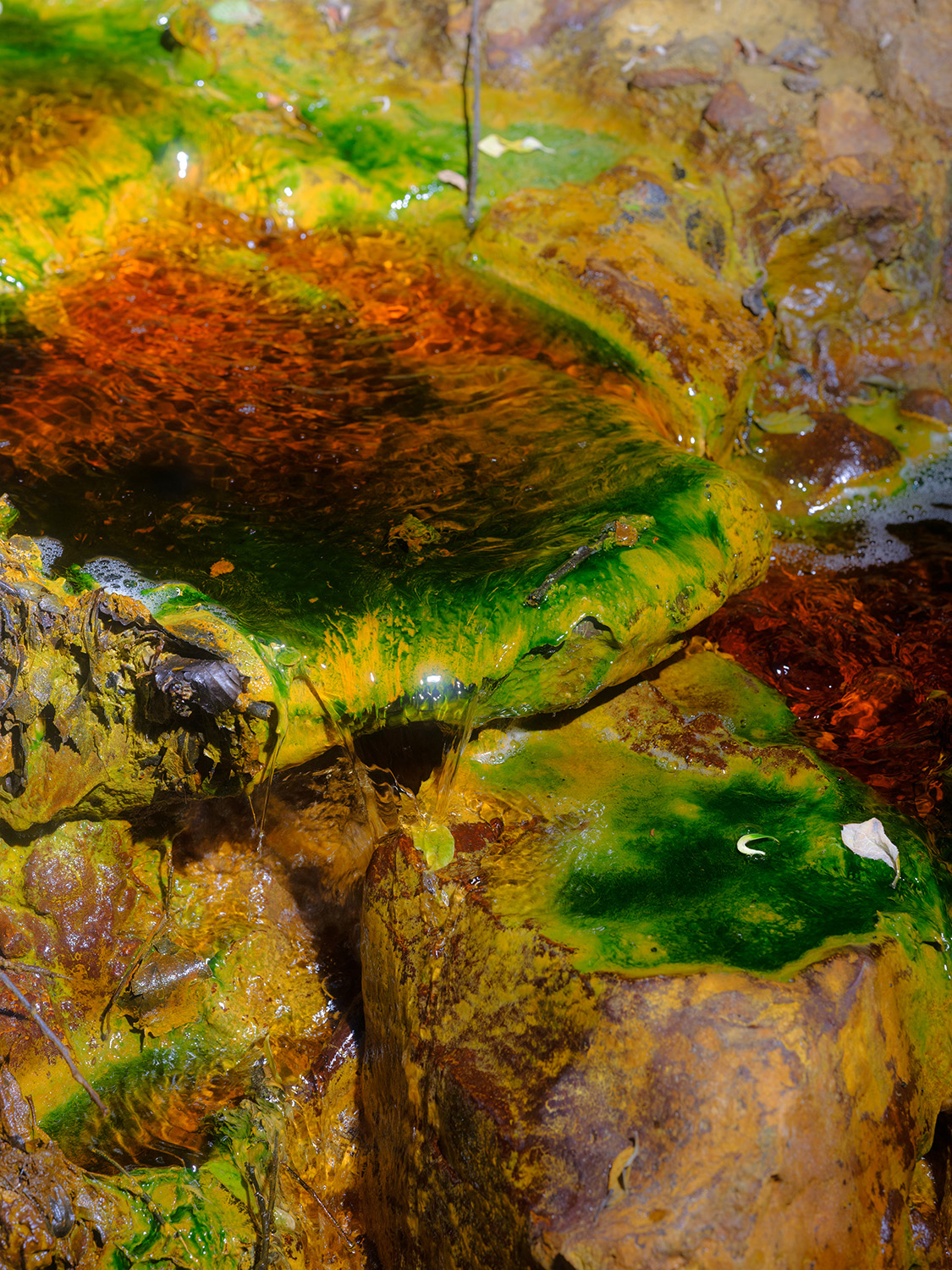
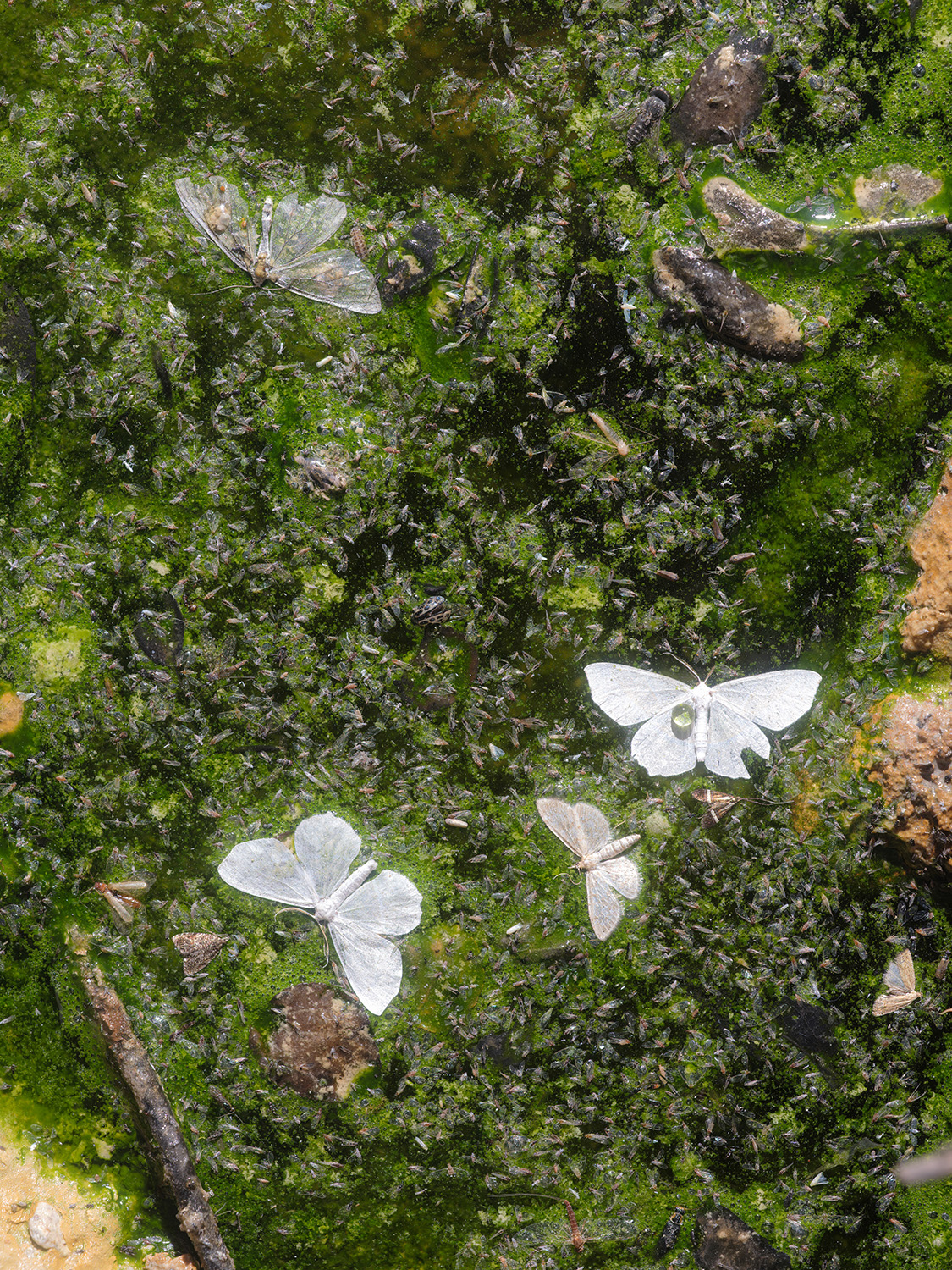
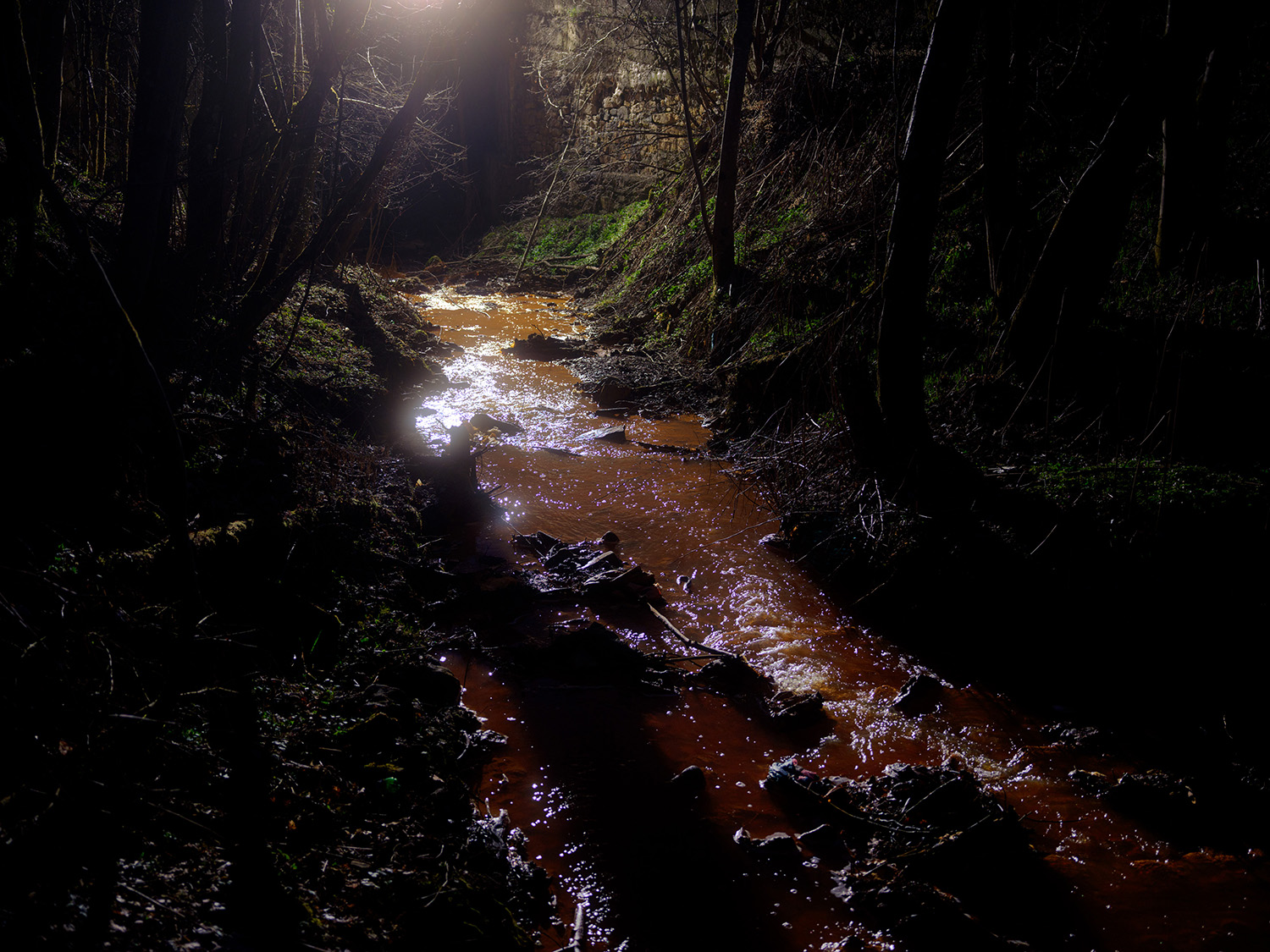
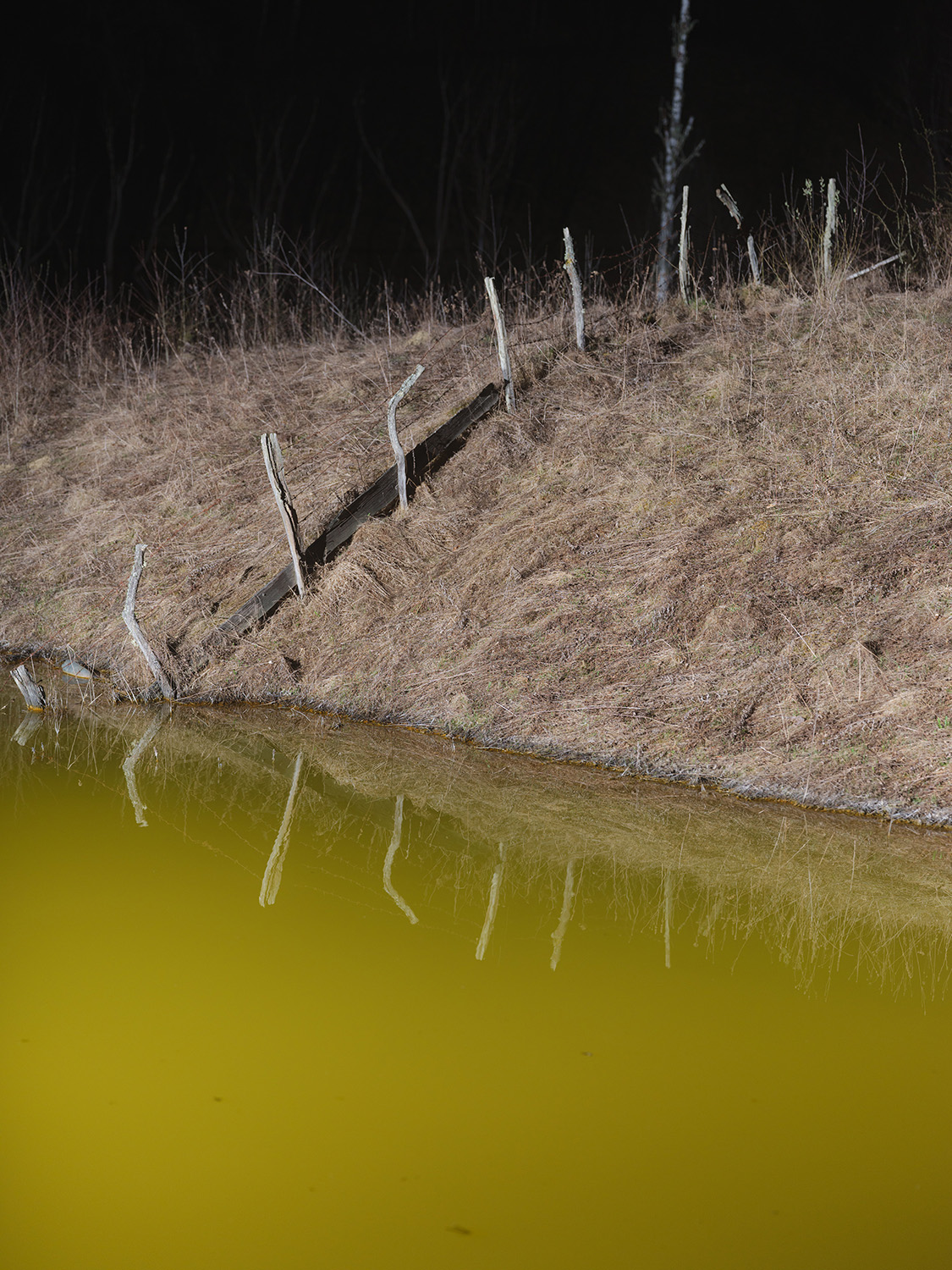
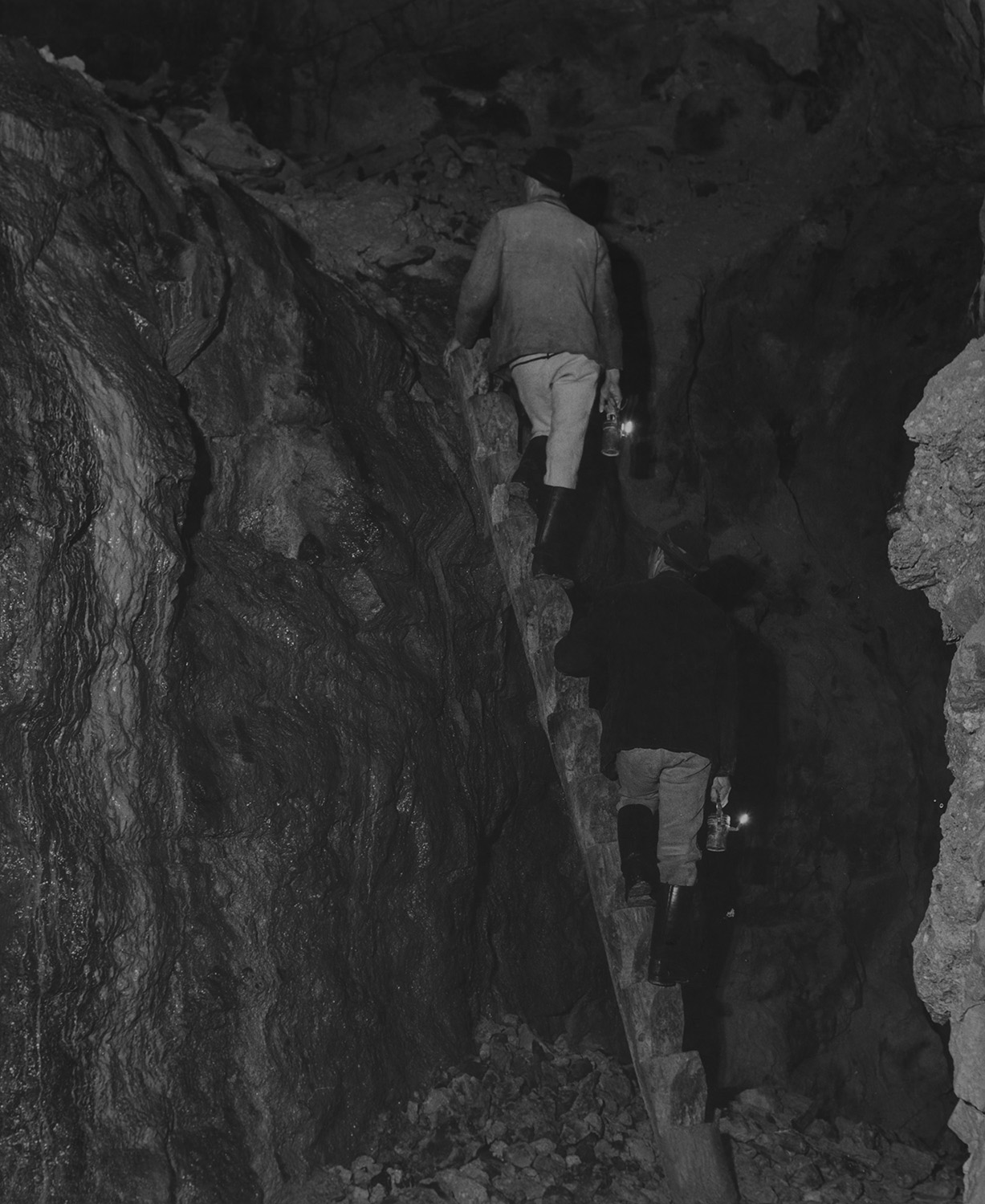
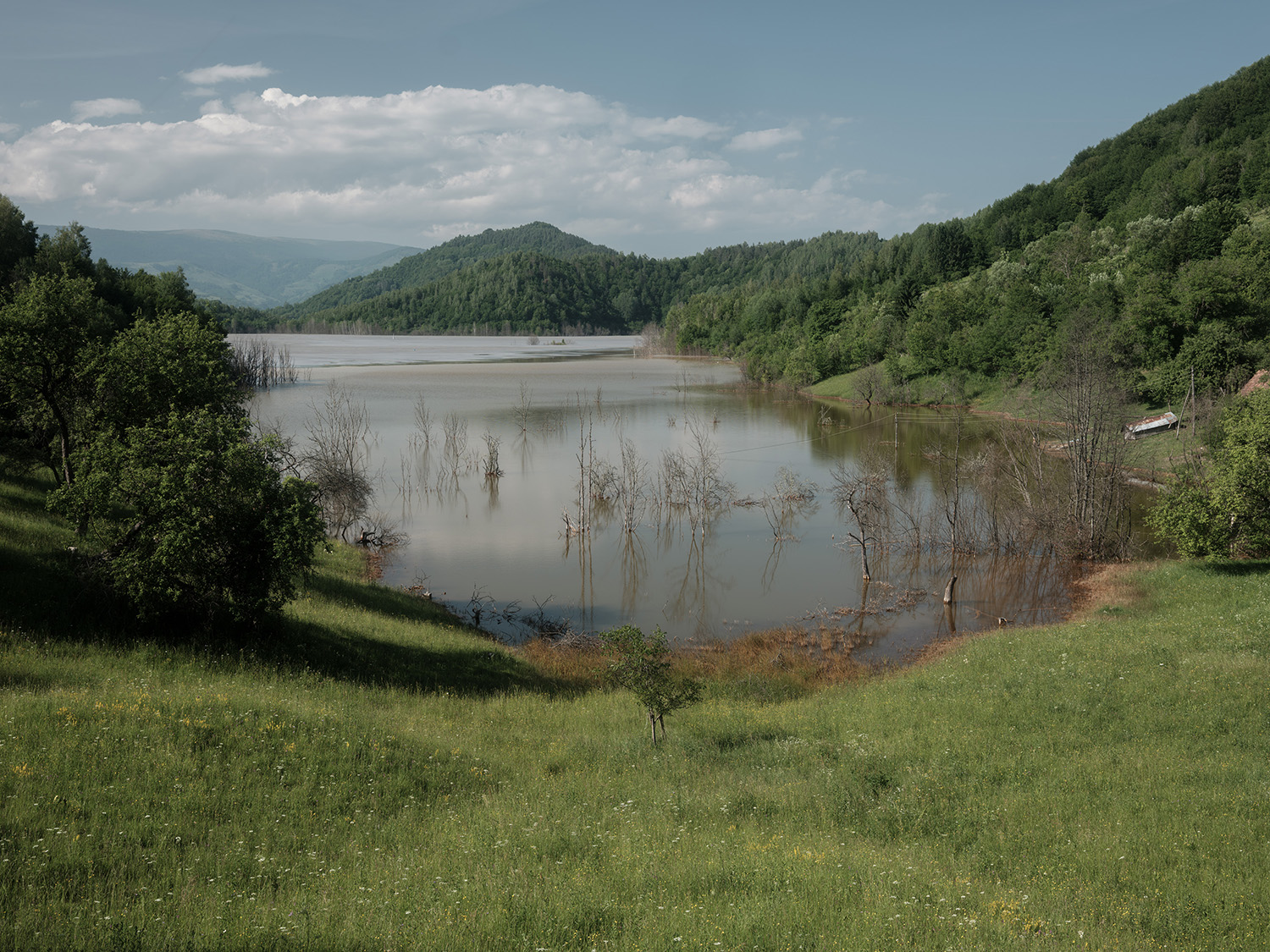
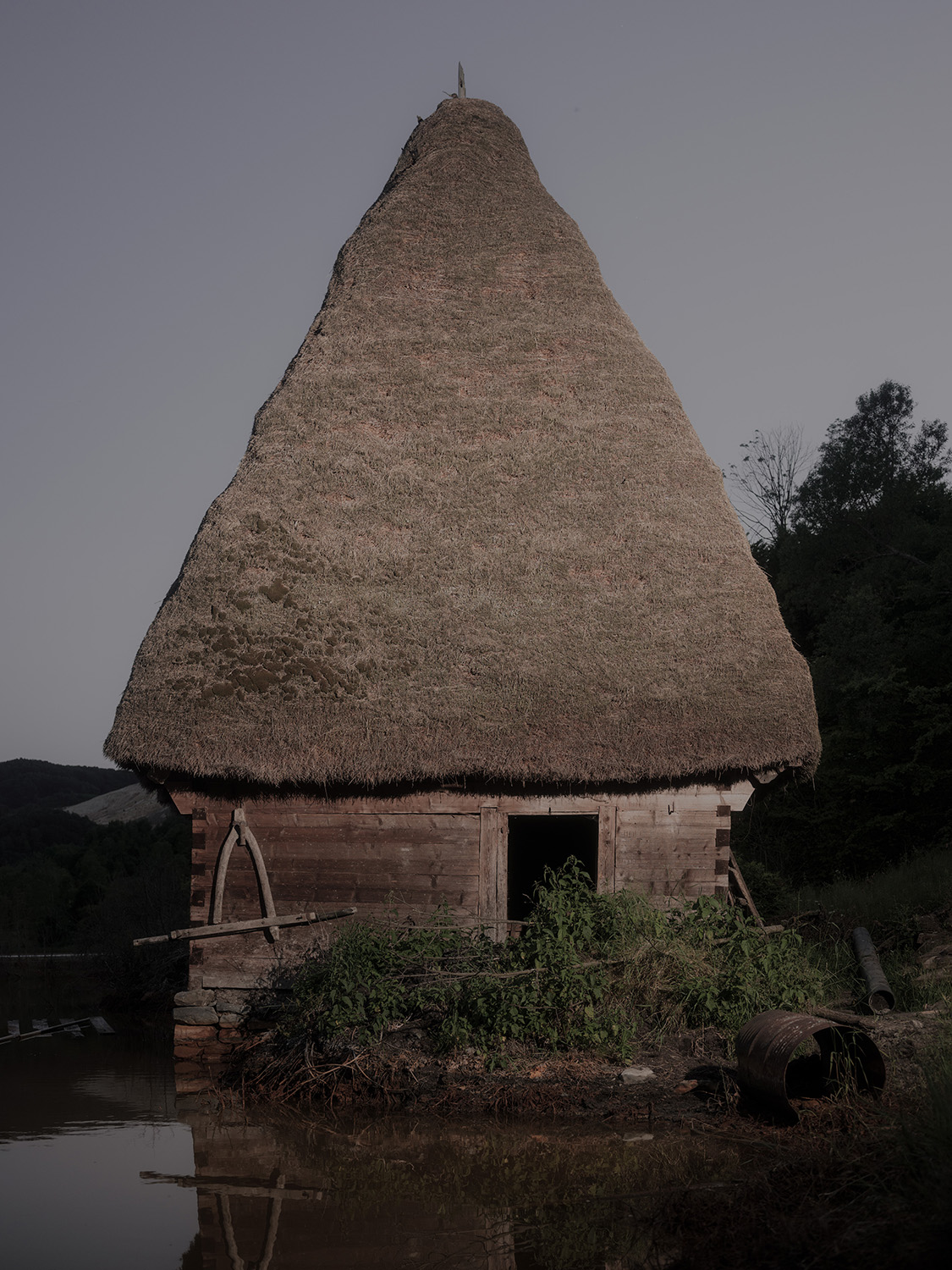
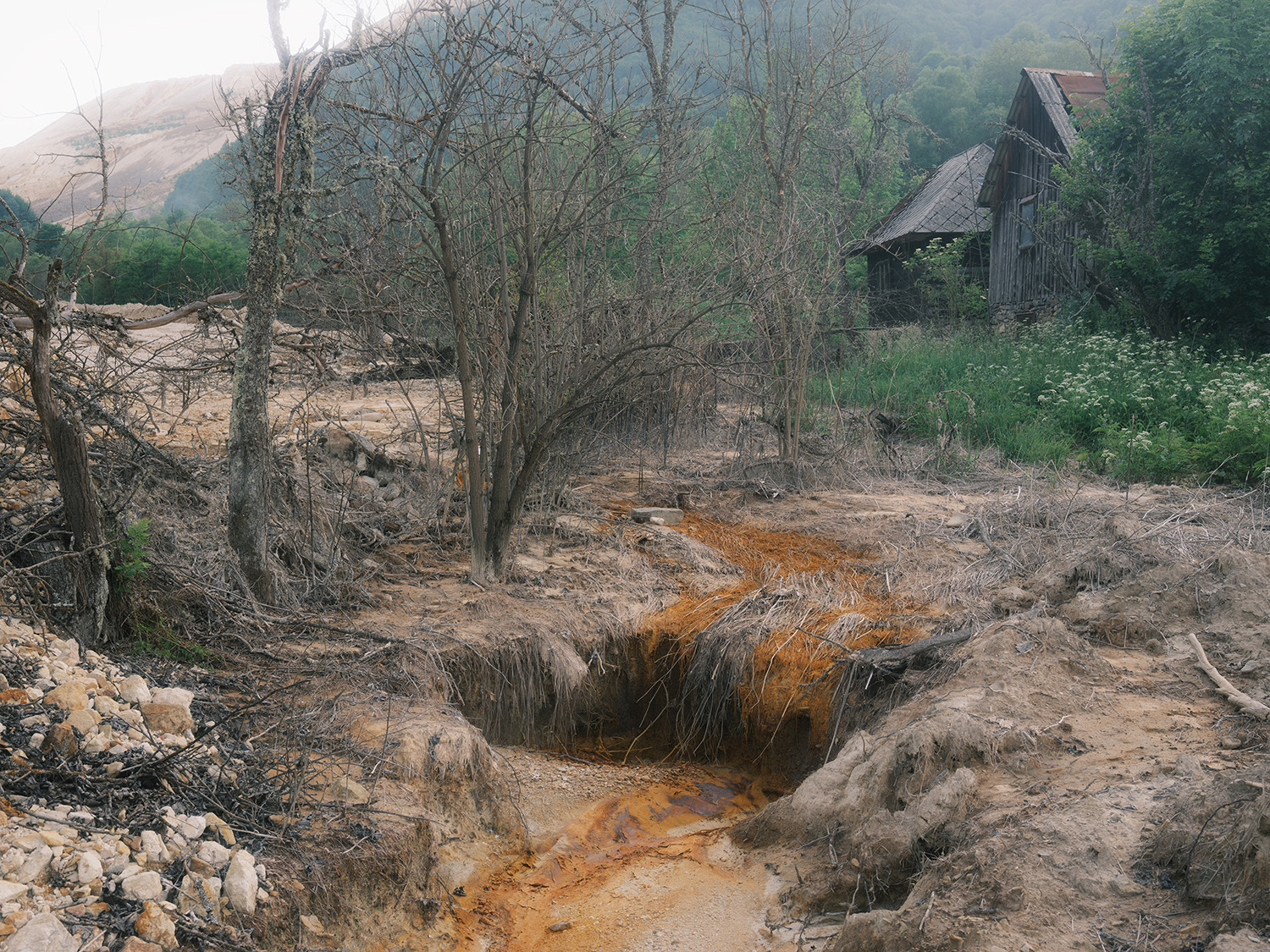
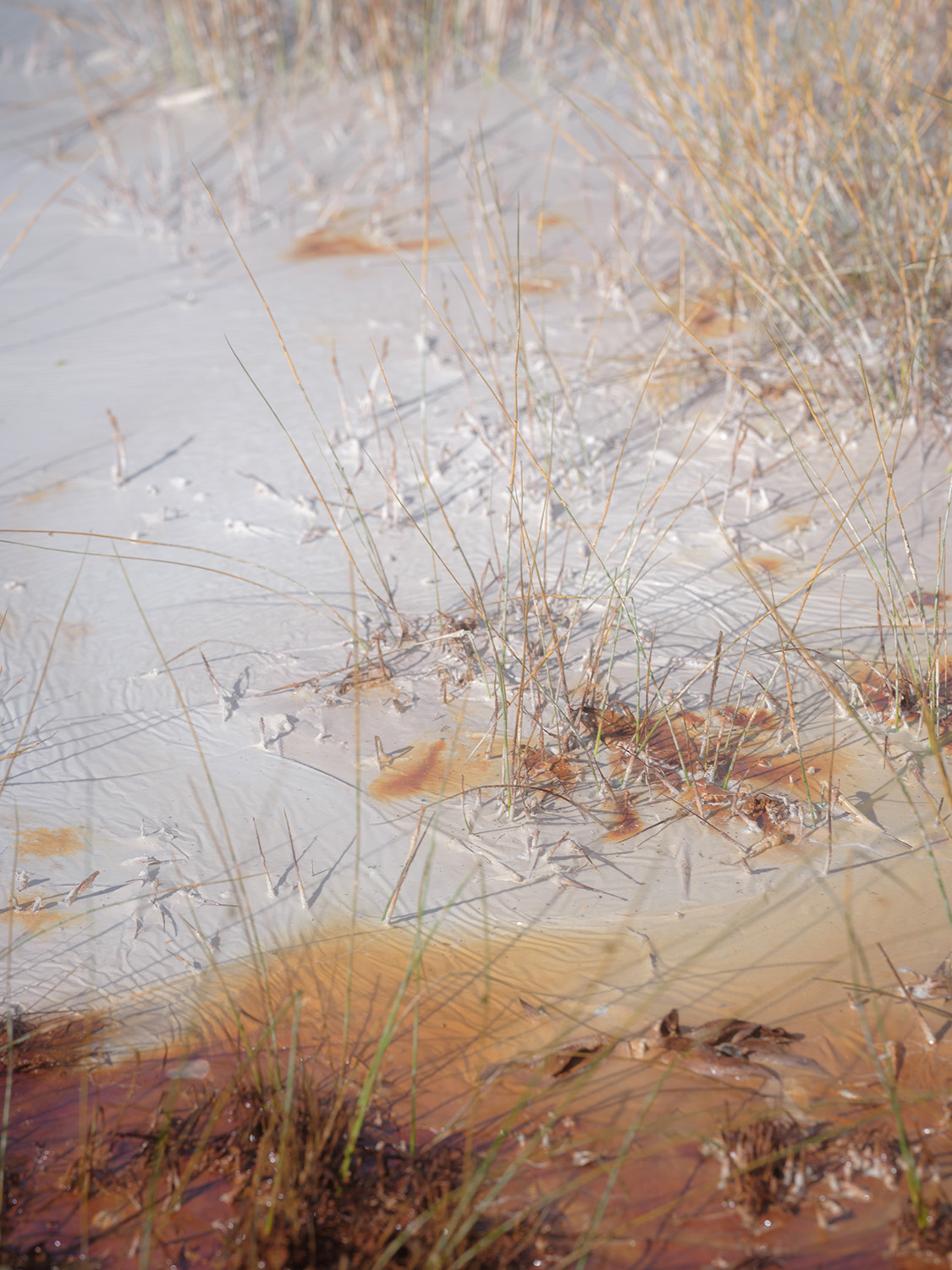
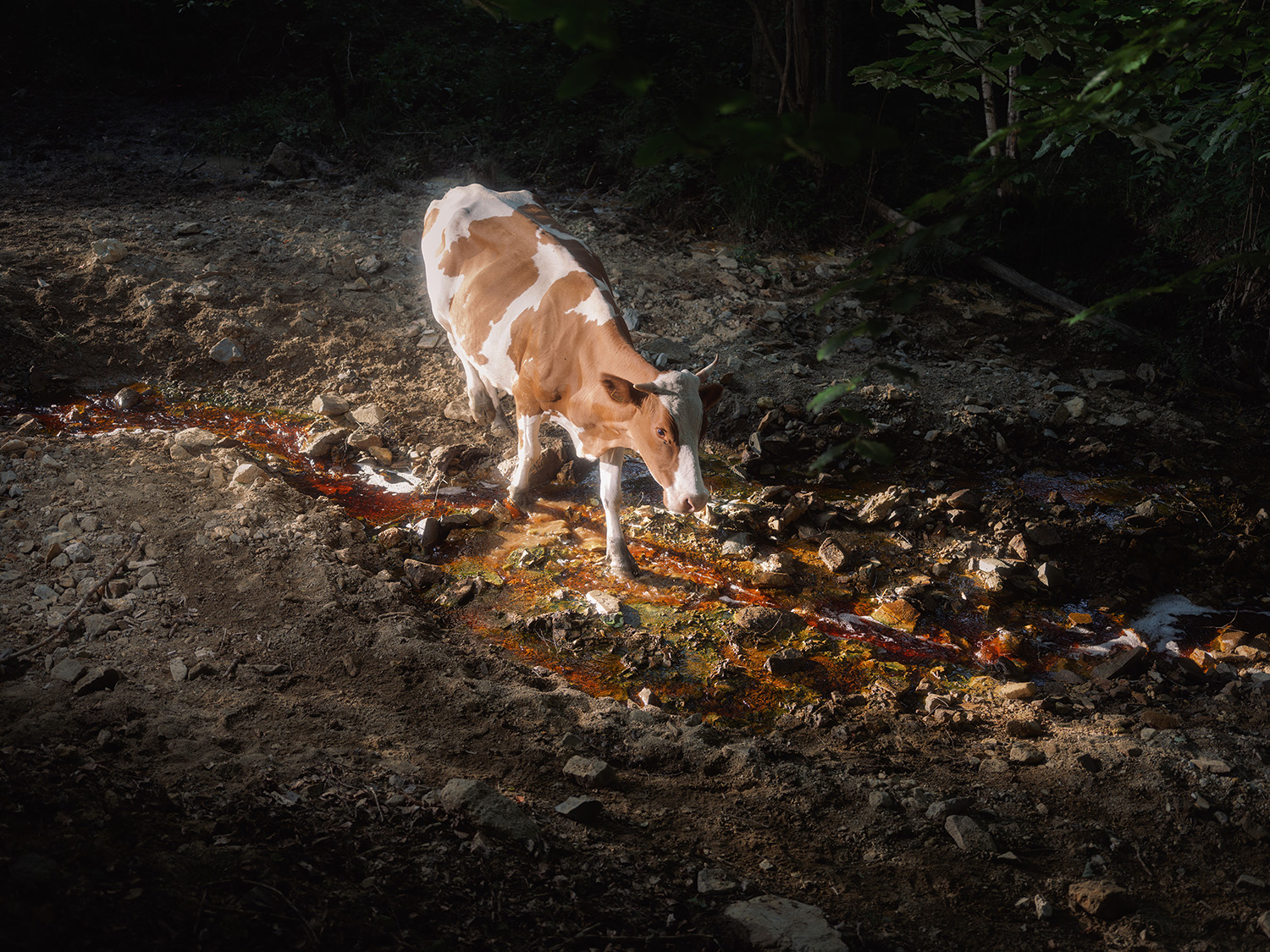
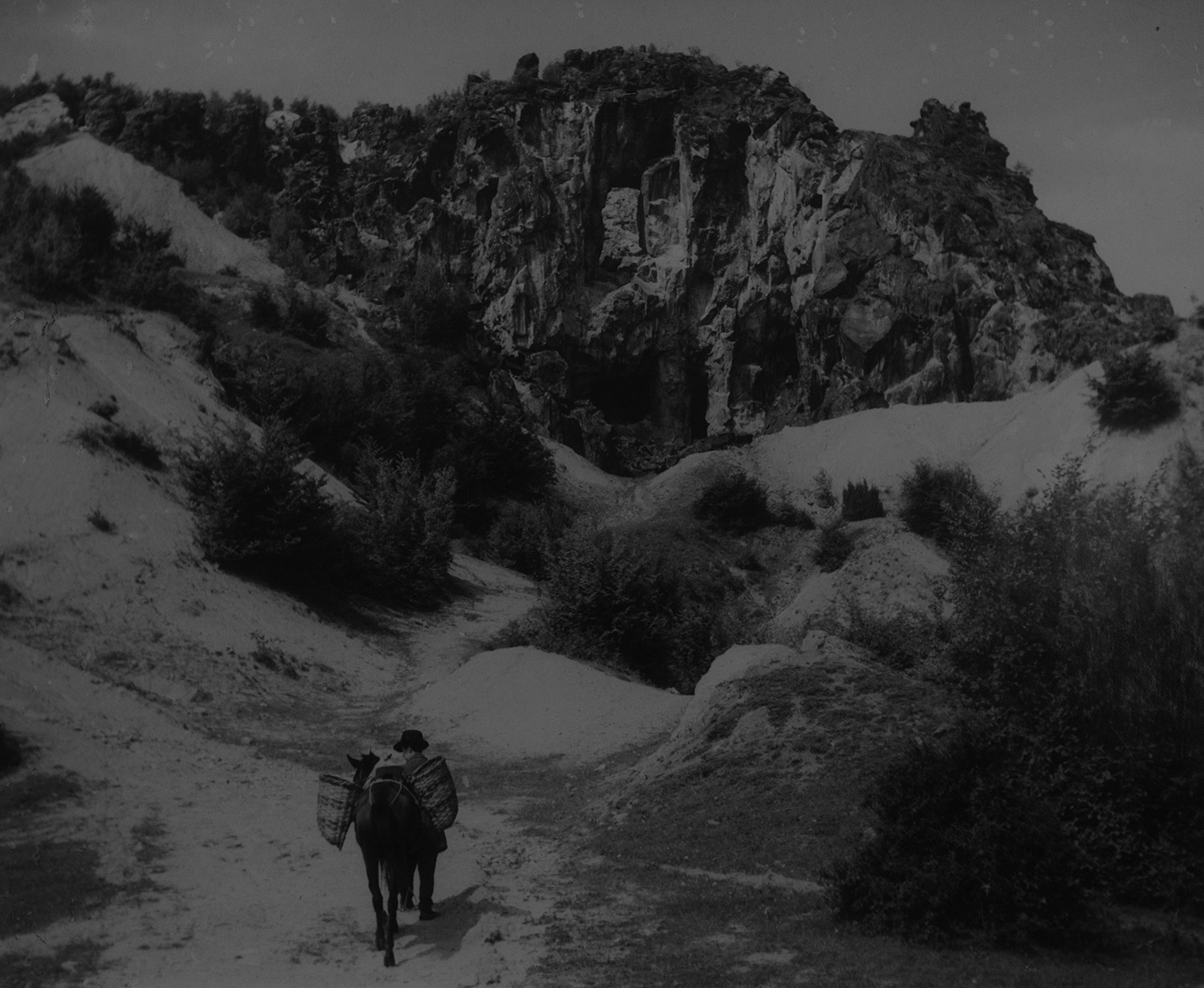
The Alba region of Romania, rich in gold, silver, and copper, is one of Europe’s oldest mining areas. In 1978, the village of Geamăna, located near the RoÈ™ia Poieni copper mine, was evacuated by government order. The valley was subsequently flooded to create a tailings pond for toxic mining waste, including cyanide and heavy metals. A vast contaminated lake now covers more than 130 hectares, submerging nearly the entire village—leaving visible only the church steeple and a few scattered houses. Although copper extraction ceased in 2000, the environmental consequences remain severe: water, soil, and food chains continue to be threatened by contamination.Geamăna’s toxic lake has been described as a “ticking ecological bombâ€â€”a destructive force that exceeds human control and resists easy comprehension. This condition echoes the sentient and unfathomable ocean in StanisÅ‚aw Lem’s novel Solaris, which confronts humanity with realities beyond its capacity to fully understand.The project approaches Geamăna’s lake as a hyperobject, drawing on the concept proposed by Timothy Morton to describe phenomena so vast—such as climate change or radioactive waste—that they defy total perception while profoundly shaping our world. Both Geamăna and the ocean in Solaris expose forces that restructure ecosystems and human existence alike, foregrounding the limits of human agency and comprehension.
About the photographer
Tomas Kawecki
Tomasz Kawecki is a image maker. He graduated in photography from the Silesian University in Opava. In his work, he combines photography with installations, video, and virtual reality. He presented his LAIR project for the first time during the Month of Photography in Krakow in 2021, and his work has since been exhibited and awarded in Poland, the USA, Japan, France, and Italy. In his photography, he is interested in the relationships between people, nature, and history. Since 2018, he has been creating documentary projects in which reality intermingles with the world of symbols and myths. In cycles such as LAIR, he draws inspiration from Slavic folklore and the Beskid Wyspowy mountains, while in the series In Praise of Shadow he examines the industrial landscapes of Lower Silesia, exploring them through the lens of Timothy Morton’s dark ecology to reveal the chaotic resilience of nature.